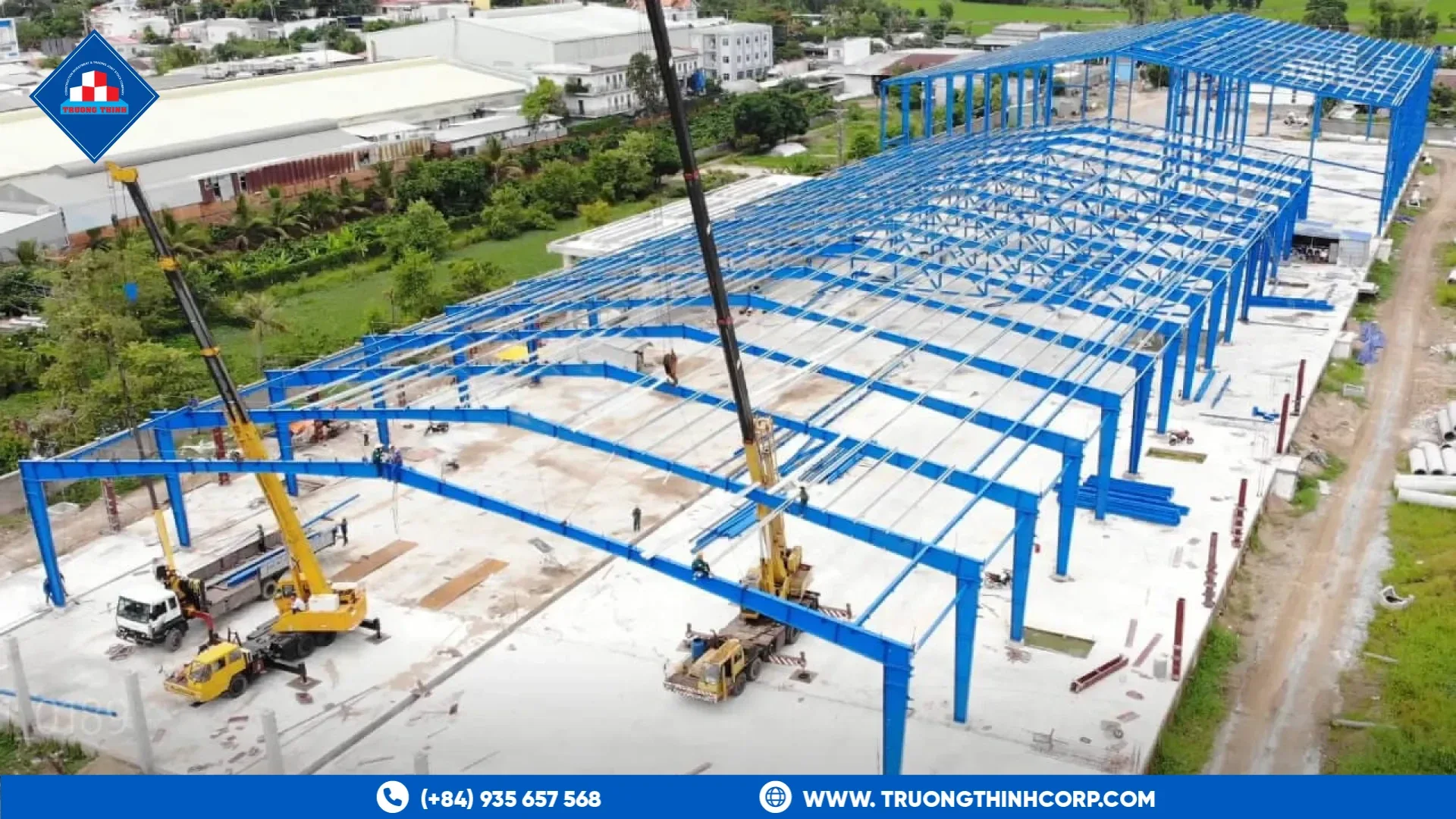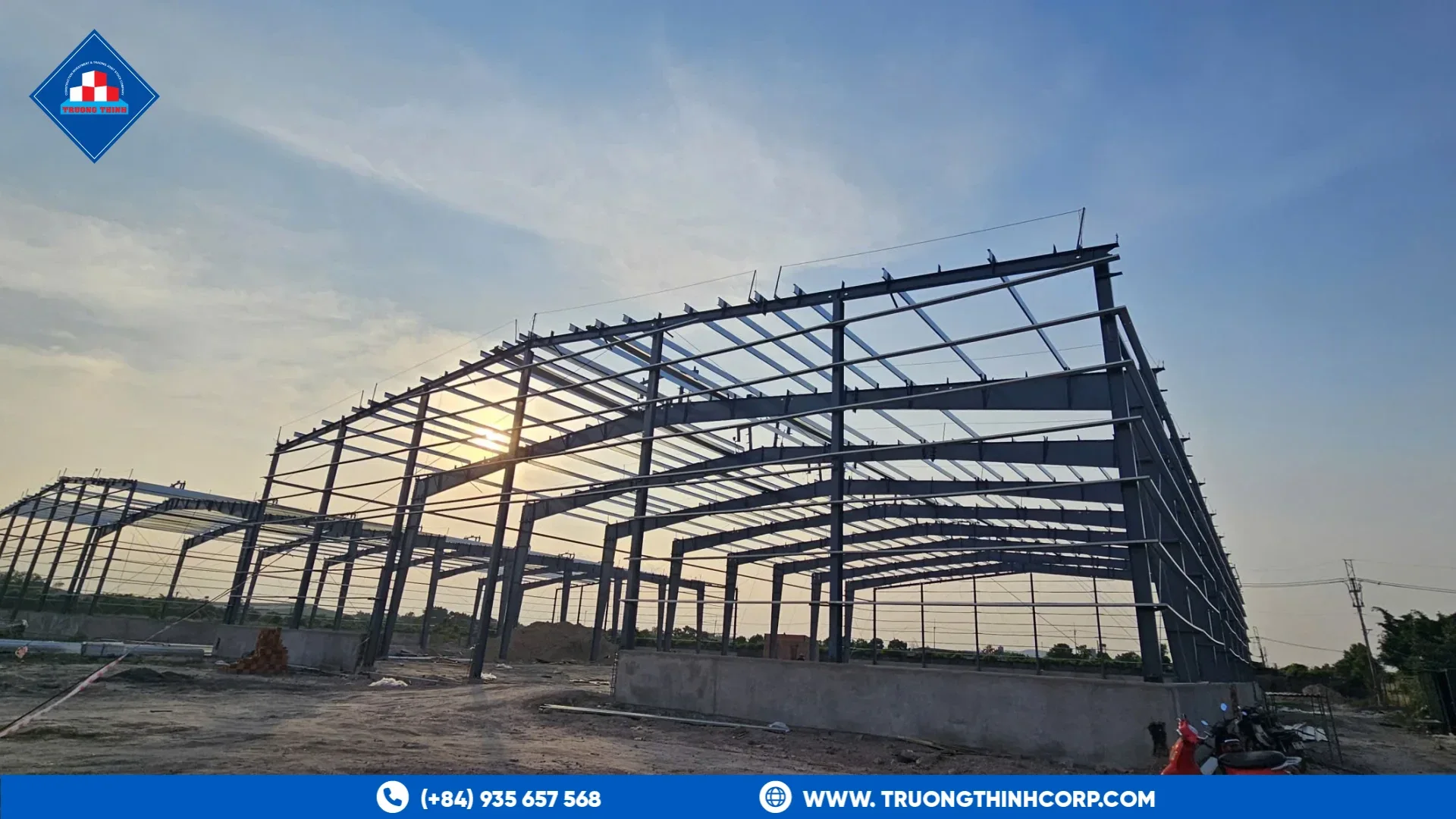


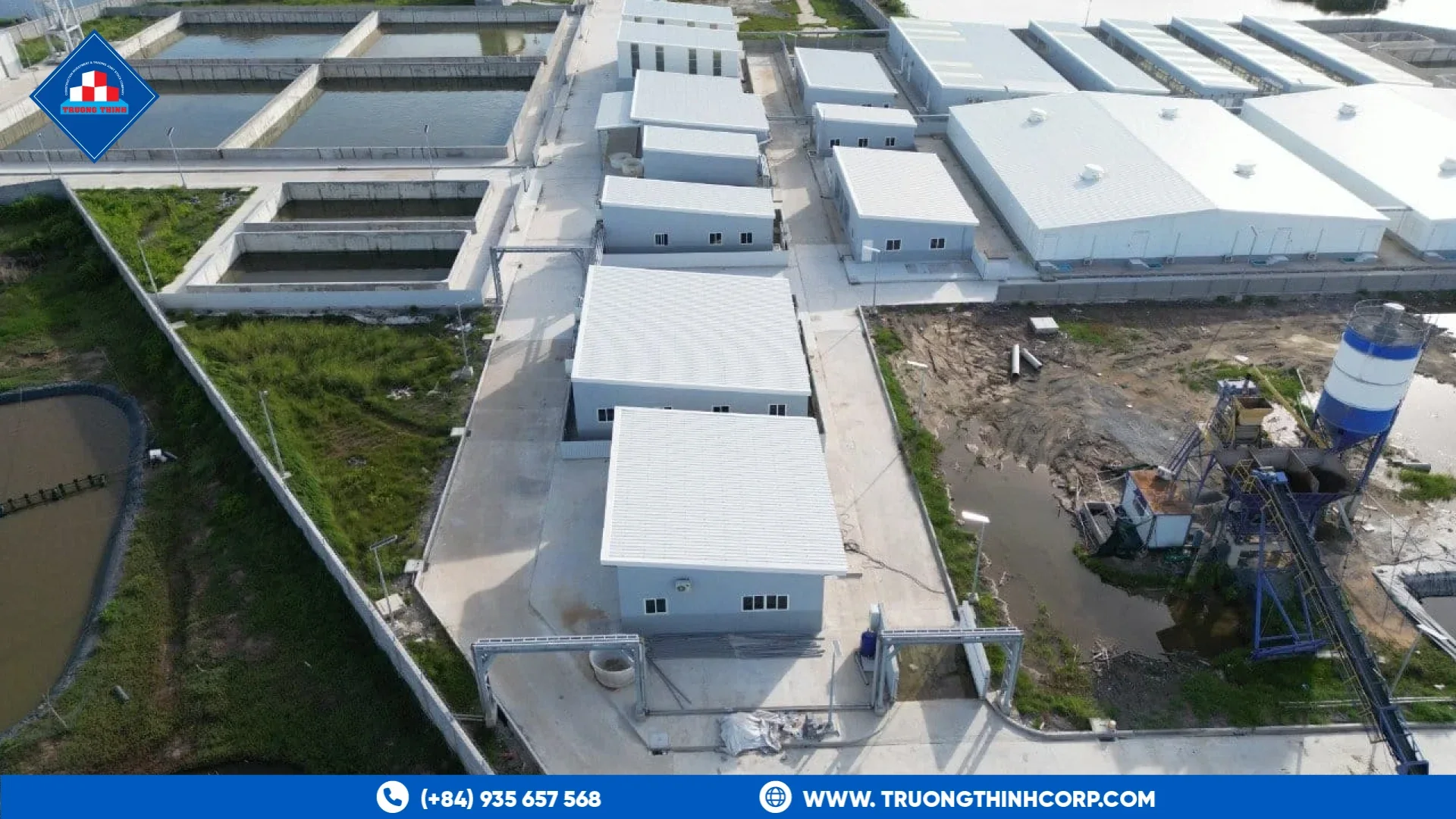
Steel building lifespan is not a fixed number. A well-designed steel frame, protected from corrosion and maintained, can serve for many decades. A poorly protected one in a harsh site can need repairs within years. The steel itself does not wear out. What limits life is corrosion, damage, overloading and neglect.
What lifespan means
The service life of a building is how long it performs its function without major replacement. Designers state a design life for the structure, and the owner's care decides whether it is reached. Different parts have different lives: the frame can last longer than the roof sheets, the coating or the doors.
What decides steel building lifespan
- Corrosion protection. The coating system and its upkeep matter most. See galvanized vs painted steel.
- Climate and exposure. Humid, coastal and chemical sites are harsher. See steel structures in tropical climates.
- Design. Details that shed water and allow inspection last longer. See steel building roof drainage.
- Loads and use. A building loaded beyond its design ages faster. See loads on a steel building.
- Quality of fabrication and erection. Good welds, correct bolts and sound coating at handover.
- Maintenance. Inspection, repair and cleaning.
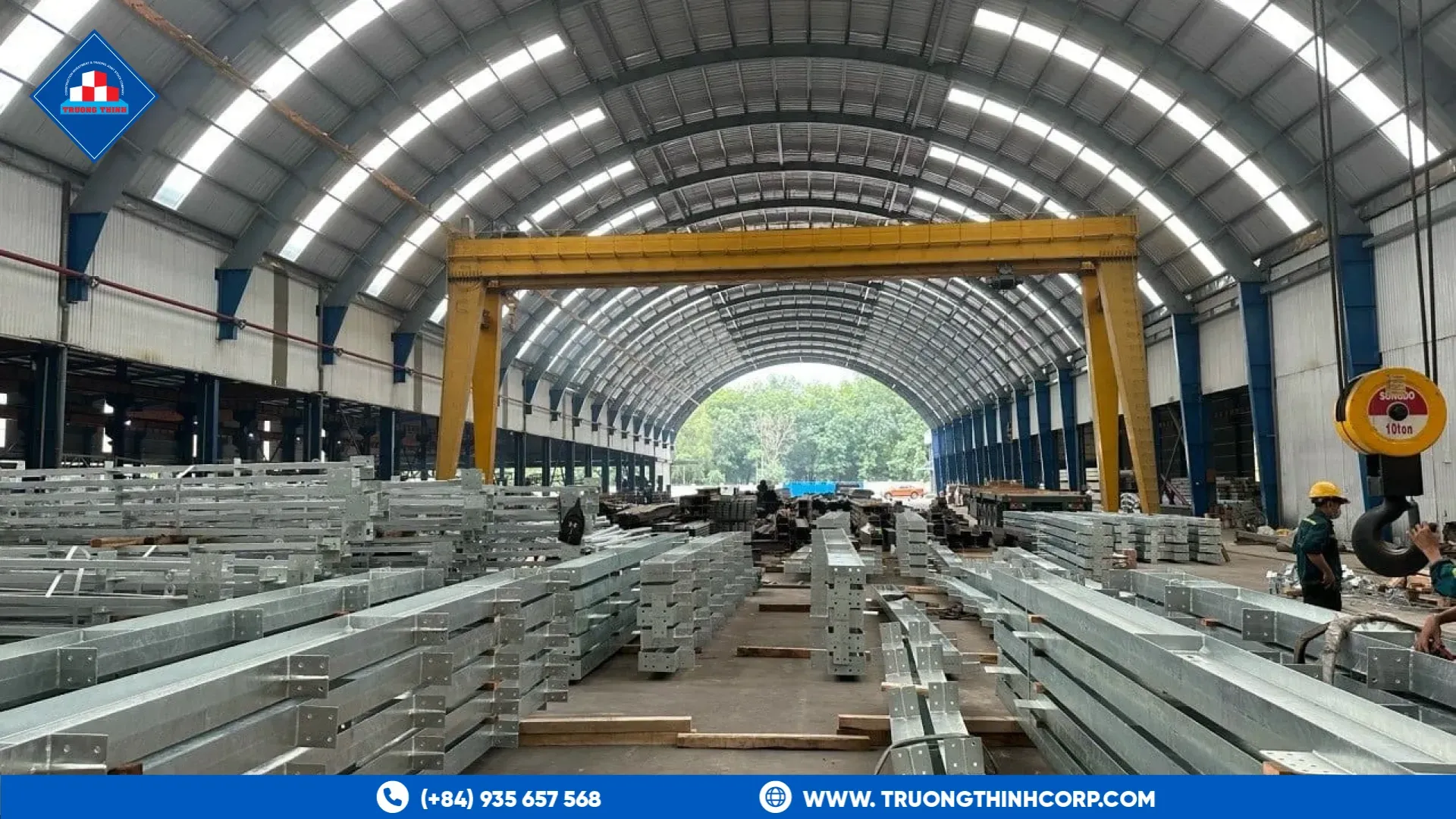
How to extend life
- Specify the coating for the real exposure and design life
- Fix coating damage early. See touch-up painting steel after erection
- Keep gutters and drainage clear
- Inspect annually and after storms. See maintaining steel structures
- Watch for hidden moisture. See corrosion under insulation
- Record any change in loads or use, and check the structure before adding equipment
What shortens life
Common causes are trapped water, damaged coating left unrepaired, blocked gutters, leaking cladding, overloaded floors and modifications made without engineering checks. Fire or impact damage also needs assessment. None of these is the steel's fault, and most can be avoided.
Parts that wear faster
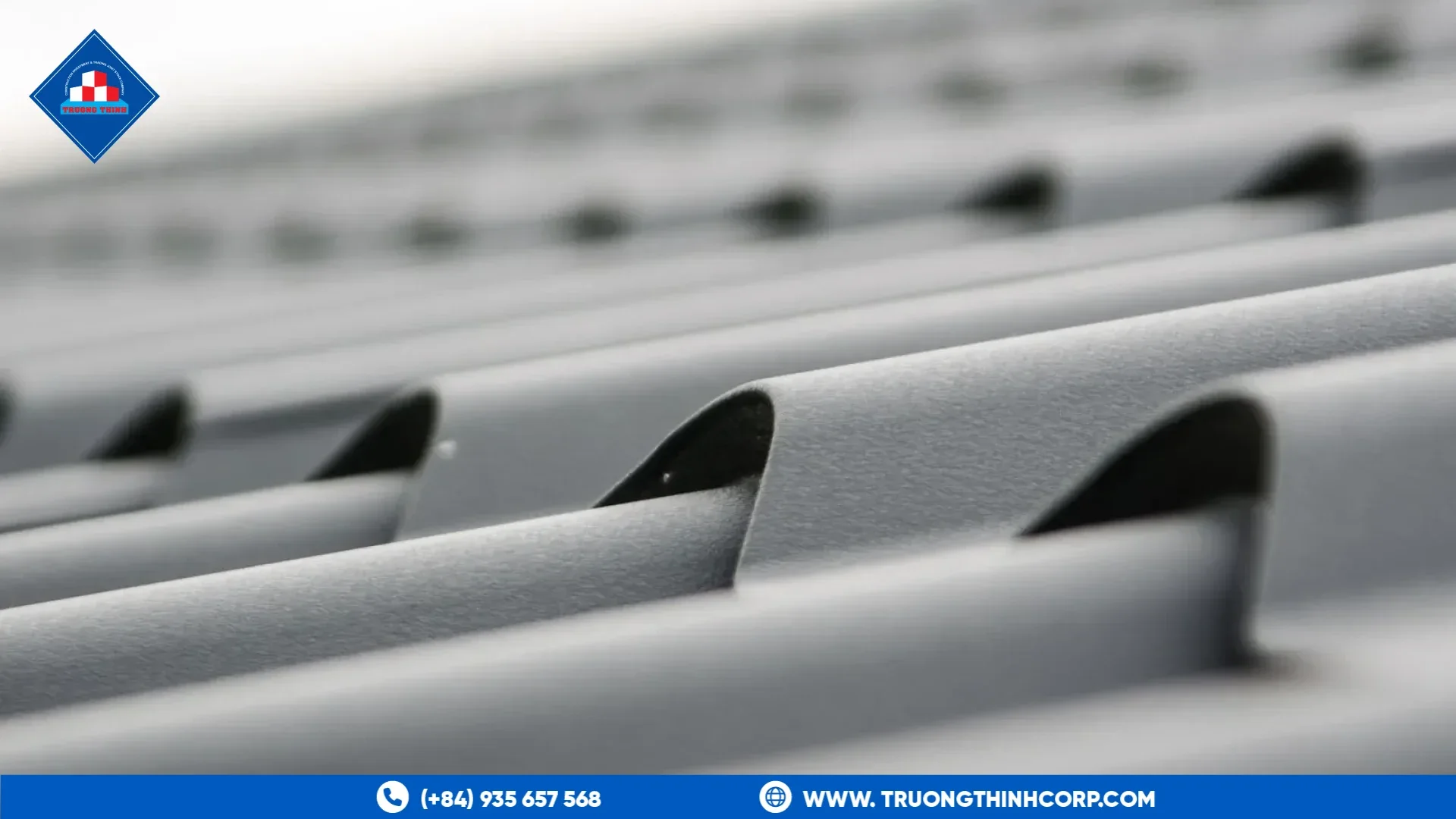
Roof sheets, sealants, fixings, gutters, doors and coatings age sooner than the frame. Plan their replacement in the maintenance budget. The frame can then serve through several cycles of re-roofing and recoating, which is one reason steel buildings are easy to adapt and extend, as explained in planning a steel building for future expansion.
What to ask when buying
When you compare steel building manufacturers, ask what design life the coating system targets, what maintenance it assumes and what documents you will receive for the frame. Do not accept a bare claim of long life without a specification behind it. Our guide to defects liability in steel structure contracts explains how warranties and maintenance duties relate.
Planning for end of life
At the end of its service life, a steel building can be extended, reused or recycled. Steel is highly recyclable, which adds value even when the building is retired. Planning for this from the start, by keeping records and using standard connections, makes later changes simpler and cheaper.
Keep a building file
Keep the drawings, certificates, coating records, inspection reports and repair history. They help the next owner and the next engineer, and they make it easier to prove that the building has been cared for. Our steel structure handover inspection checklist shows what to collect at completion.
If you want to plan a long service life for a new building, contact the engineering team and describe the site and the use.
Frequently Asked Questions
How long does a steel building last?
It depends on design, coating, climate and maintenance. Many last for decades with proper care, but there is no single figure.
Does steel get weaker with age?
Not by age itself. Corrosion, damage and fatigue can reduce capacity, which is why inspection matters.
Can an old steel building be reused?
Often yes, after an engineer inspects and checks it. Frames can be strengthened, recoated and extended.
Free quotation · Reply within 24 working hours
Request a quotation for steel building lifespan
Tell us about your steel structure project. Our engineering and sales team will reply with a tailored proposal, usually within 24 working hours.
Need an answer faster? Call our engineers directly.
Mon–Fri 8:00–17:30 · Sat 8:00–12:00 (GMT+7)