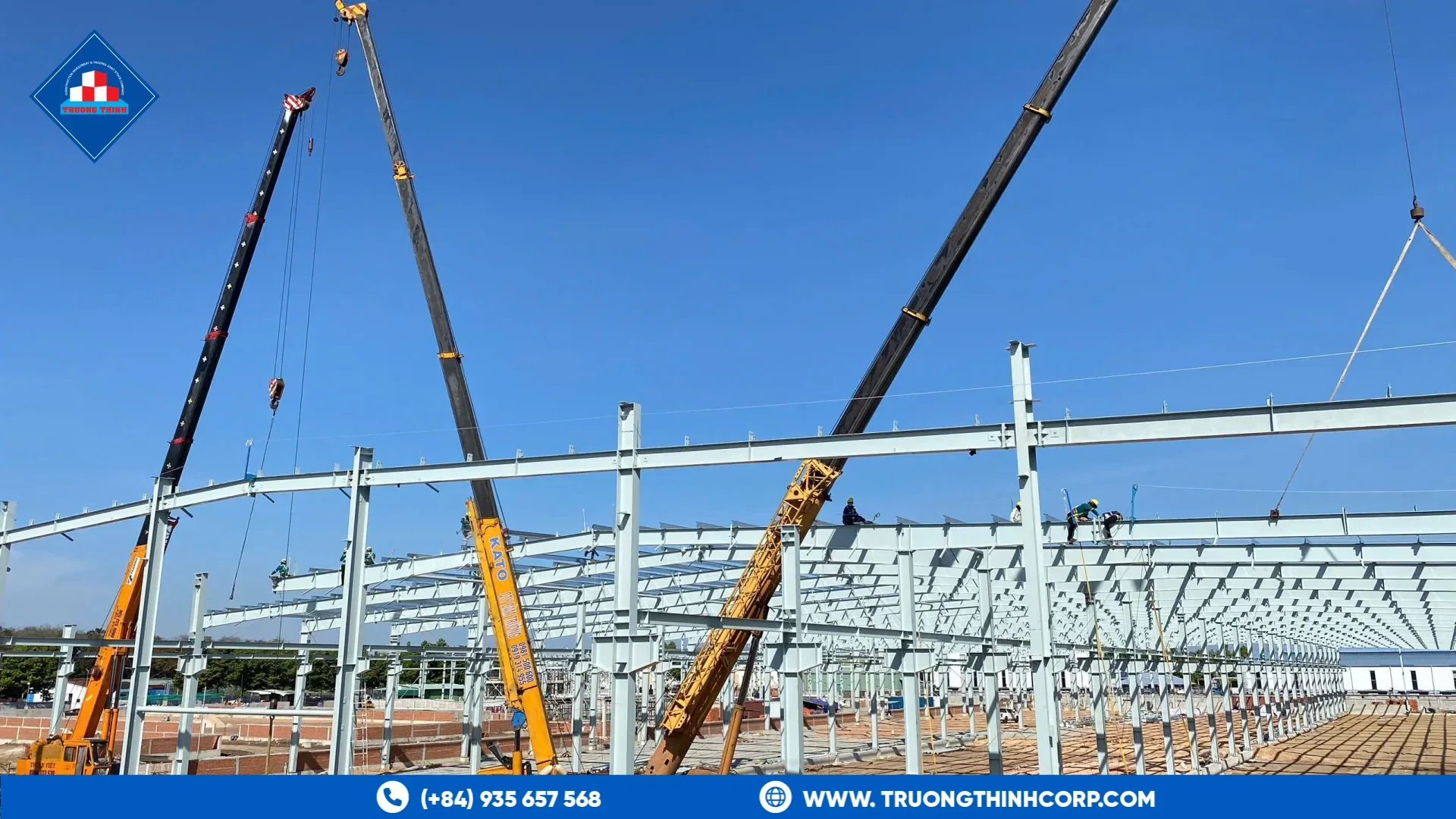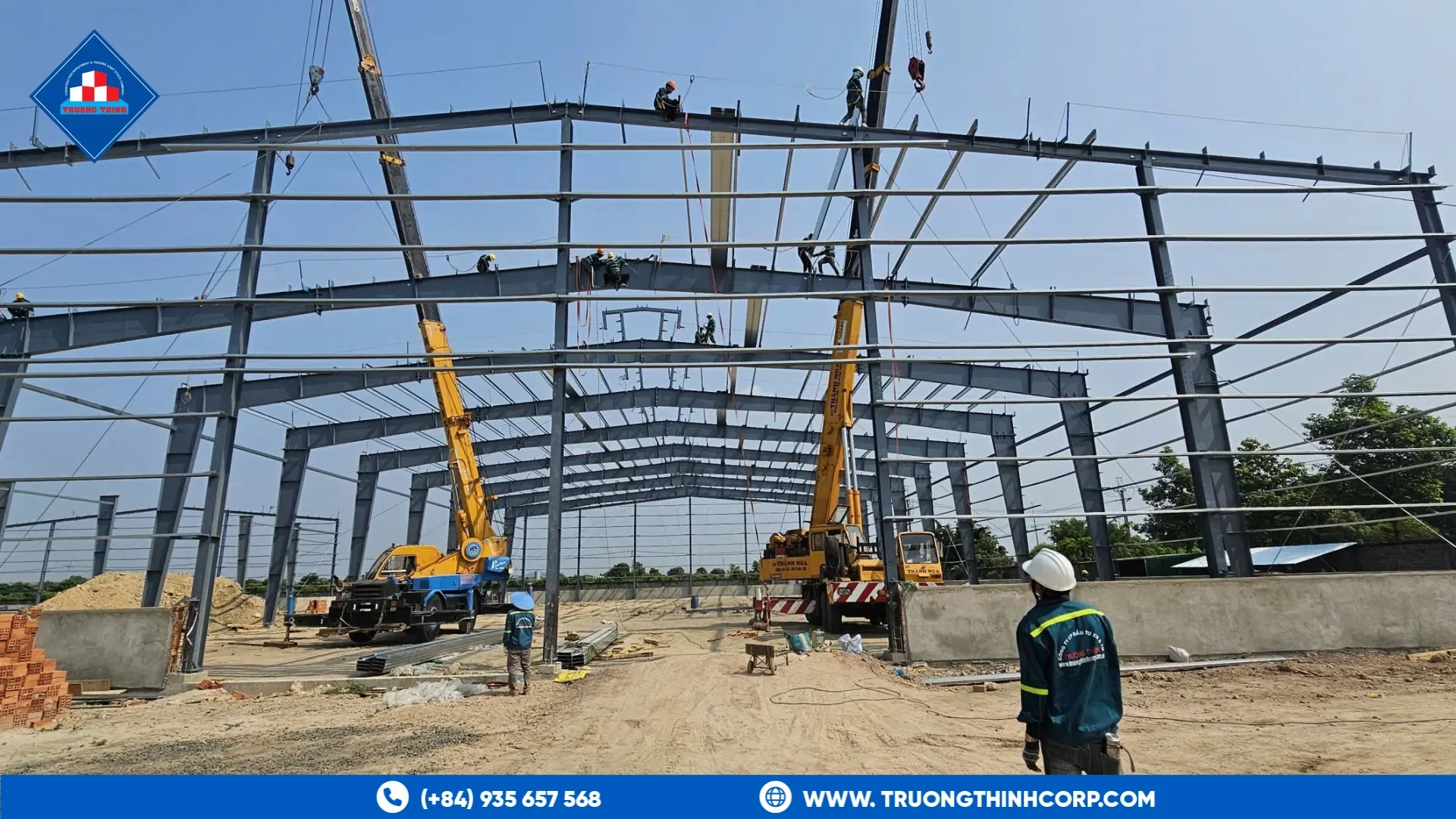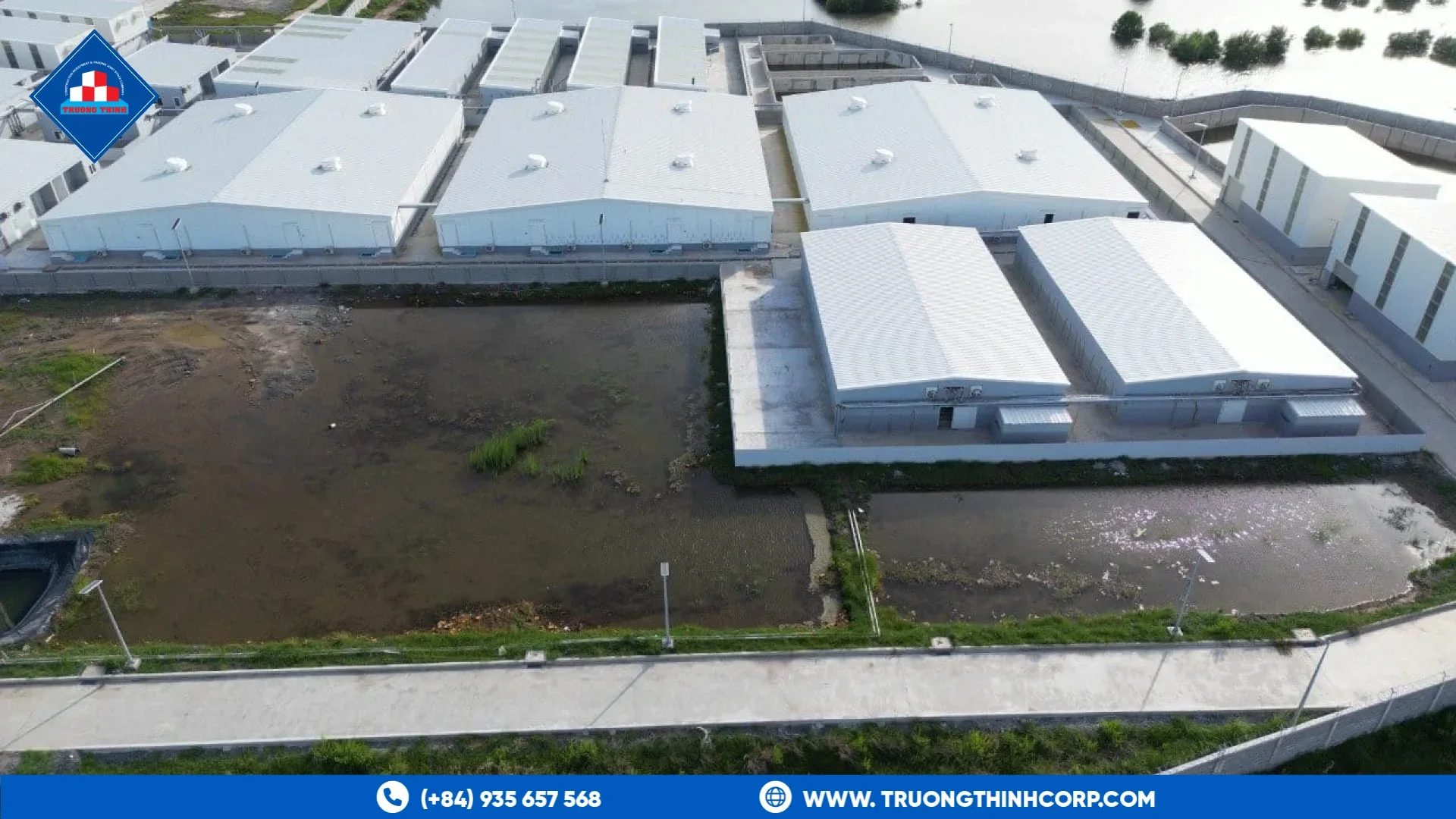


Touch-up painting steel after erection repairs the coating where it was damaged in transport, lifting and assembly. Bolts, field welds, cut edges and scratches all expose bare steel. A small area left unprotected can start corrosion that spreads under the coating, so touch-up is part of finishing the structure, not an optional extra.
Where damage happens
No coating survives handling untouched. Damage typically appears at:
- Bolt heads, nuts and washers installed on site
- Field welds and the area around them
- Lifting points, slings and contact areas on beams
- Edges and corners that were knocked in transit
- Splice plates and areas cut or drilled on site
Mark each area during a walk-through after erection and record it with photos.
Steps for touch-up painting steel
- Clean. Remove rust, dirt, oil and loose paint. Power tool cleaning is common on site, and the standard of cleaning follows the coating specification.
- Feather the edge. Blend the old coating so that the new paint overlaps it without a sharp step.
- Prime. Apply a primer compatible with the existing system, as stated by the coating manufacturer.
- Build up. Add intermediate and top coats to reach the required thickness.
- Check. Measure the dry film thickness and inspect for coverage and defects.
Follow the manufacturer's data sheet on mixing, thinning, drying times and recoating intervals.
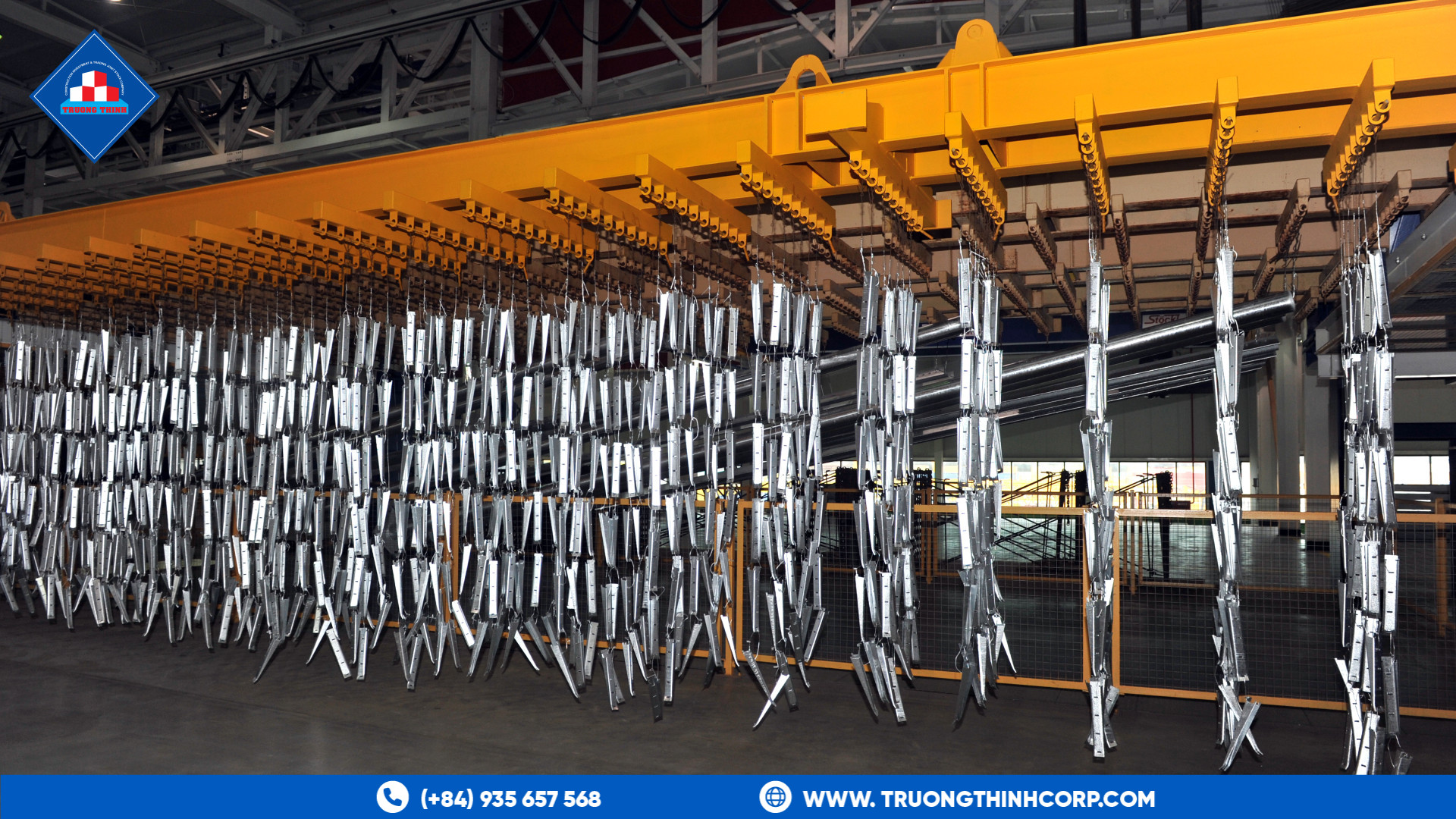
Repairing galvanized steel
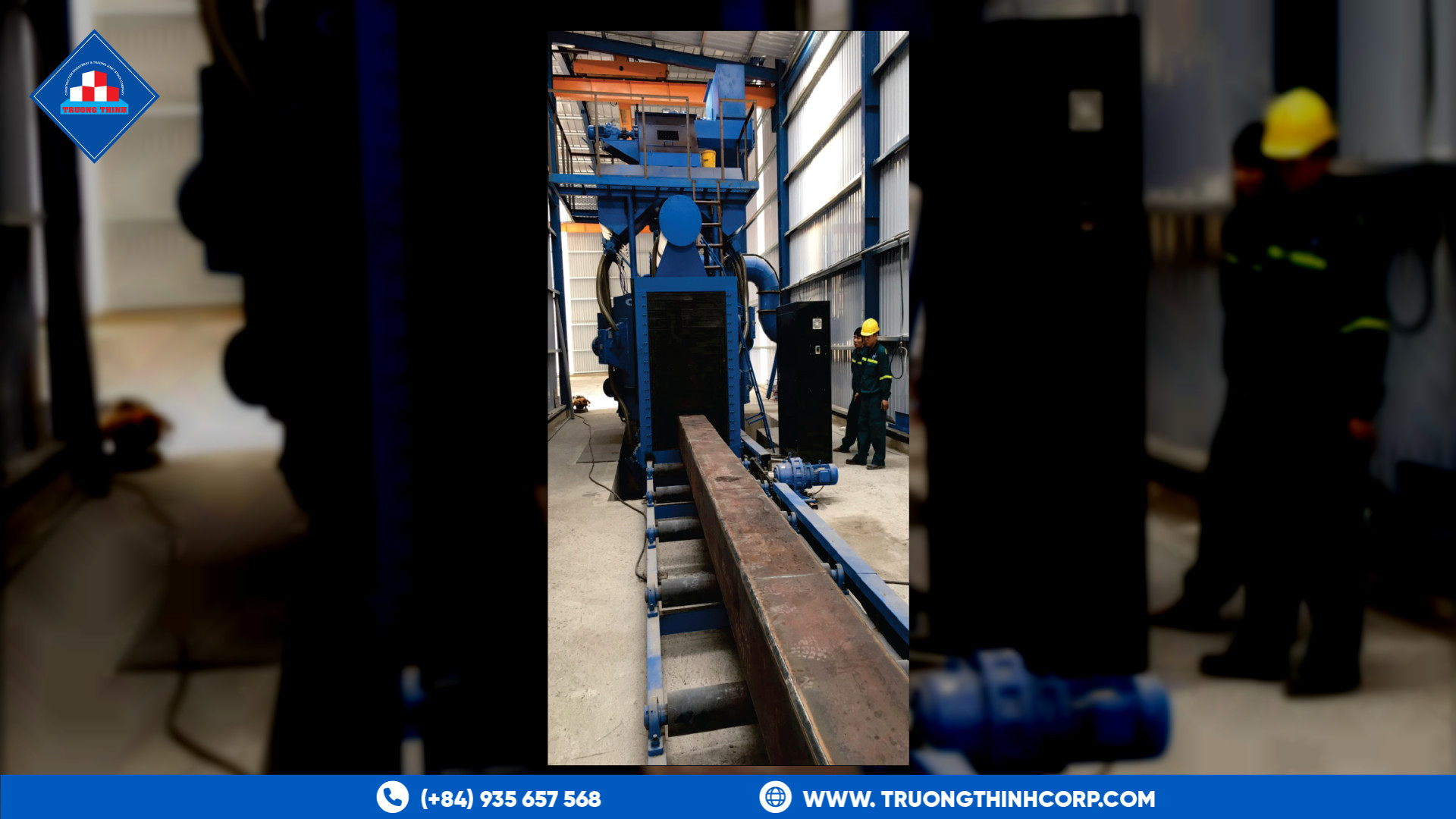
Hot-dip galvanized surfaces are repaired with zinc-rich paint or a zinc repair product, applied to cleaned steel and overlapped onto sound galvanizing. Our guide to hot-dip galvanized steel structures explains how galvanizing protects steel and what to verify. At Truong Thinh, structural steel surfaces are shot-blasted to Sa 2.5 and coated with industrial epoxy paint, and C and Z purlins are hot-dip galvanized, as shown in our article on Sa 2.5 blast cleaning.
Weather and conditions
Coating needs dry, clean steel. Do not paint in rain, fog or when the steel is cold enough for moisture to form on it. In humid climates, plan work for the hours when the air is driest, and protect the area while the paint cures. The basics of corrosion explain why moisture is the main risk.
Inspection and records
Inspect each repaired area for thickness and finish, and record the results with the location. Keep the manufacturer's data sheets and batch numbers. These records support the maintenance plan and any warranty claim, as explained in our article on defects liability in steel structure contracts.
Common mistakes
The usual mistakes are painting over dirt or rust, skipping the primer, applying paint too thick in one coat, and not recording where repairs were made. Each one shortens the life of the repair, and a short training and a checklist for the painting crew prevent them.
Planning ahead
Order enough touch-up paint with the steel, from the same system, and agree who does the work and who inspects it. Ask the fabricator for a touch-up procedure with the quotation. For a factory, see our overview of the industrial steel building, and for long-term checks read about maintaining steel structures.
If you need a touch-up and repair procedure for a project, contact the engineering team and send the coating specification.
Frequently Asked Questions
Can I paint over rust?
Not reliably. Loose rust must be removed, and the surface prepared to the level the coating system requires. Painting over rust shortens the life of the repair.
Who pays for touch-up painting?
The contract decides. Damage from erection is often the contractor’s responsibility, while later damage depends on who caused it.
How big a damaged area can be touched up?
Small areas are routine. Large damaged areas may need a full recoat of the member, as decided by the coating manufacturer and the engineer.
Free quotation · Reply within 24 working hours
Request a quotation for touch-up painting steel
Tell us about your steel structure project. Our engineering and sales team will reply with a tailored proposal, usually within 24 working hours.
Need an answer faster? Call our engineers directly.
Mon–Fri 8:00–17:30 · Sat 8:00–12:00 (GMT+7)