

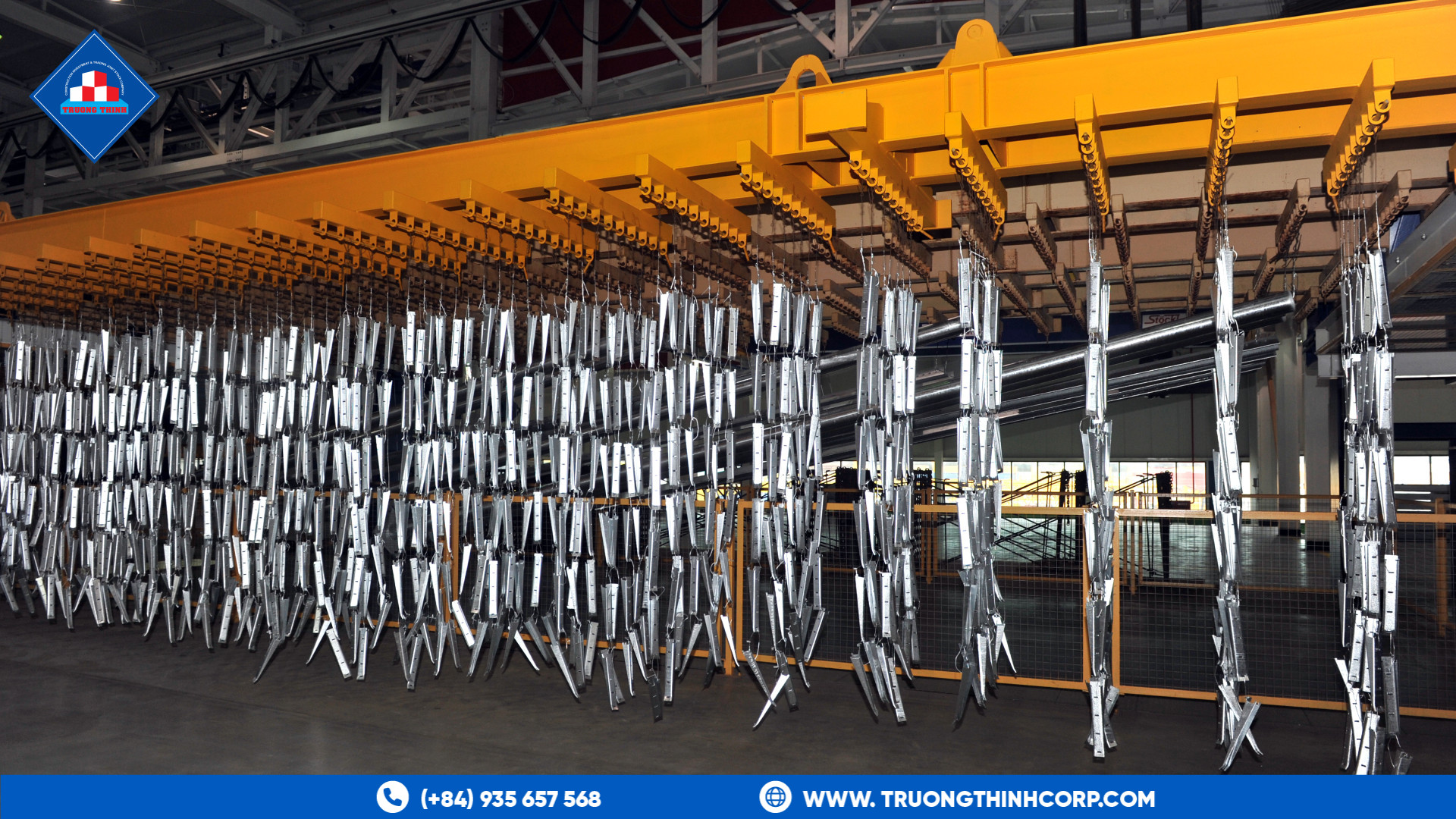
Hot-dip galvanizing is an established corrosion protection method for structural steel, but only when it is specified and fabricated correctly. The coating is applied by immersing the finished steel in molten zinc, which forms a metallurgical bond with the steel surface. Performance depends on the environment, the steel chemistry, the way the member is designed, and the galvanizer’s process.
This article explains when galvanizing is a sensible choice, what design decisions affect the result, and what to confirm with the galvanizer before you order.
When hot-dip galvanizing suits a steel structure
Galvanizing is often specified for:
- Coastal, port and marine-adjacent sites
- Humid environments and high-moisture buildings
- Buildings that are regularly washed down
- Agricultural and food-processing areas where splashes and cleaning chemicals are common
- Exposed members that are difficult to repaint after erection
It is less suited to members that will be heavily abraded, or to environments where the zinc coating would be exposed to strong acids or alkalis without a further protective system. The coating system should be chosen against the corrosivity category of the environment, using a recognized method such as ISO 12944.
What the standard covers
For fabricated steel articles, hot-dip galvanizing is commonly specified to ISO 1461. The standard sets minimum coating thickness requirements that depend on the thickness of the steel. Thicker steel receives a thicker minimum coating. For structural steel shapes and plates in projects that use US standards, ASTM A123/A123M is the reference. Check the current edition named in your specification before you quote or order.
Do not rely on a generic “galvanized” note. The specification should state the standard, the required coating thickness, and whether the coating needs to be inspected and reported.
Design choices that affect the coating
The galvanizer can only coat what the bath and the steel allow. Several design details matter:
- Vent and drain holes. Closed hollow sections need vent holes to let trapped air and steam escape, and drain holes so the zinc can flow out. Without them, the section can fail to fill or can burst.
- Bath dimensions. Each galvanizing bath has a maximum length, width and depth. Long members may need to be split into shorter sections and bolted or welded after coating. Check the bath size before the design is finalized.
- Weld quality. Slag, spatter and flux residue interfere with the coating. Welds should be clean, and the design should avoid unnecessary welds that trap pockets of air or chemical residue.
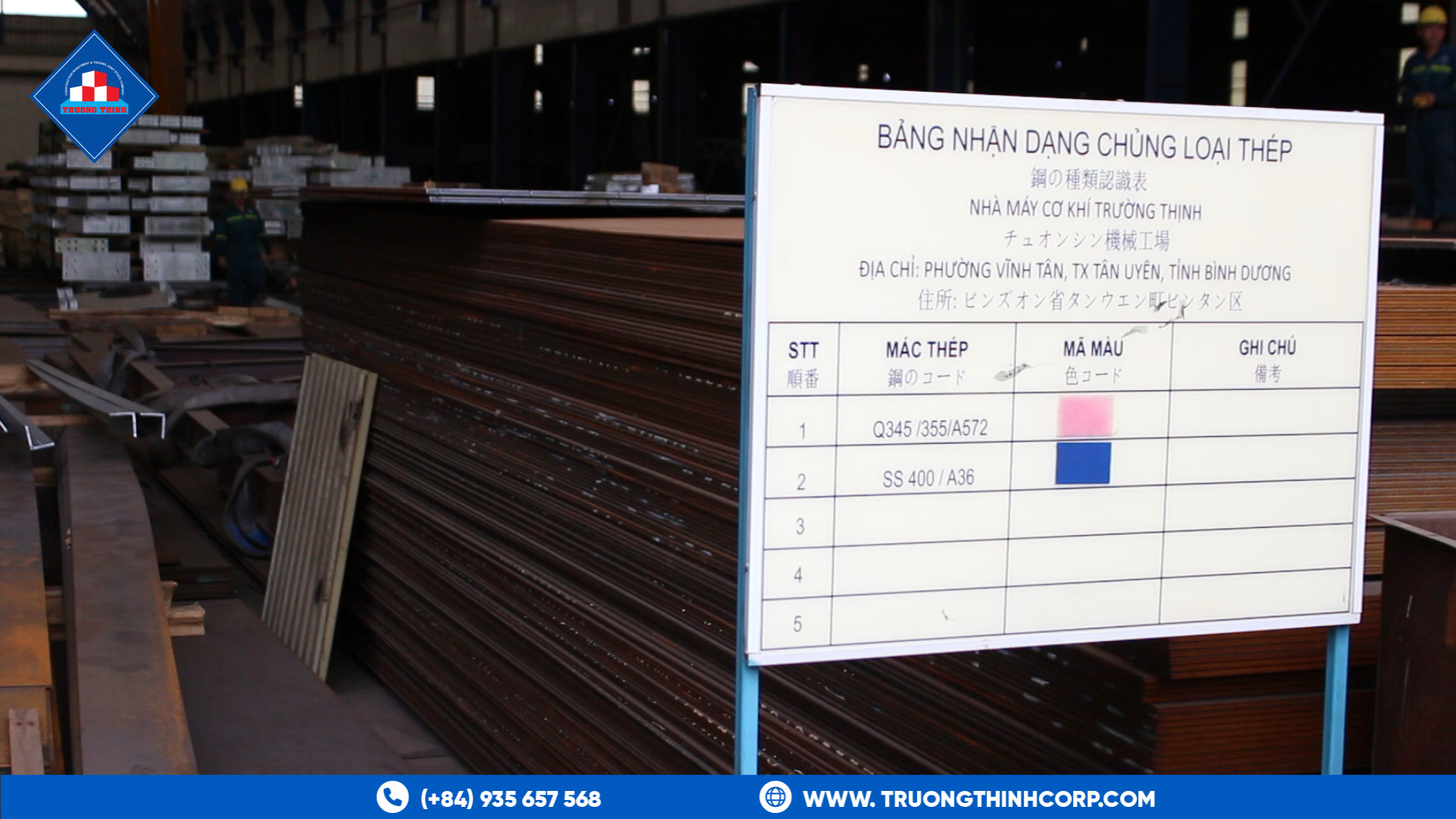
- Steel chemistry. Silicon and phosphorus content can change the reaction with zinc and produce a thicker, duller coating. Ask the galvanizer which steel chemistries they process well, and check the mill certificates when the material is delivered.
- Distortion. Large or thin members can distort during the high-temperature dip. Long, flat, unbraced members need a distortion review.
What to verify with the galvanizer
Before ordering, confirm the following in writing:
- Who performs the galvanizing, and whether it is done in-house or by a subcontractor
- The standard, the coating thickness, and the inspection method
- The bath dimensions and any limits on member size or weight
- Whether the galvanizer issues a coating thickness report for each batch
- How the material is transported between the fabrication shop and the galvanizer, and the extra handling time this adds
- Whether any touch-up is required after erection, and how it is done
Paint over galvanizing
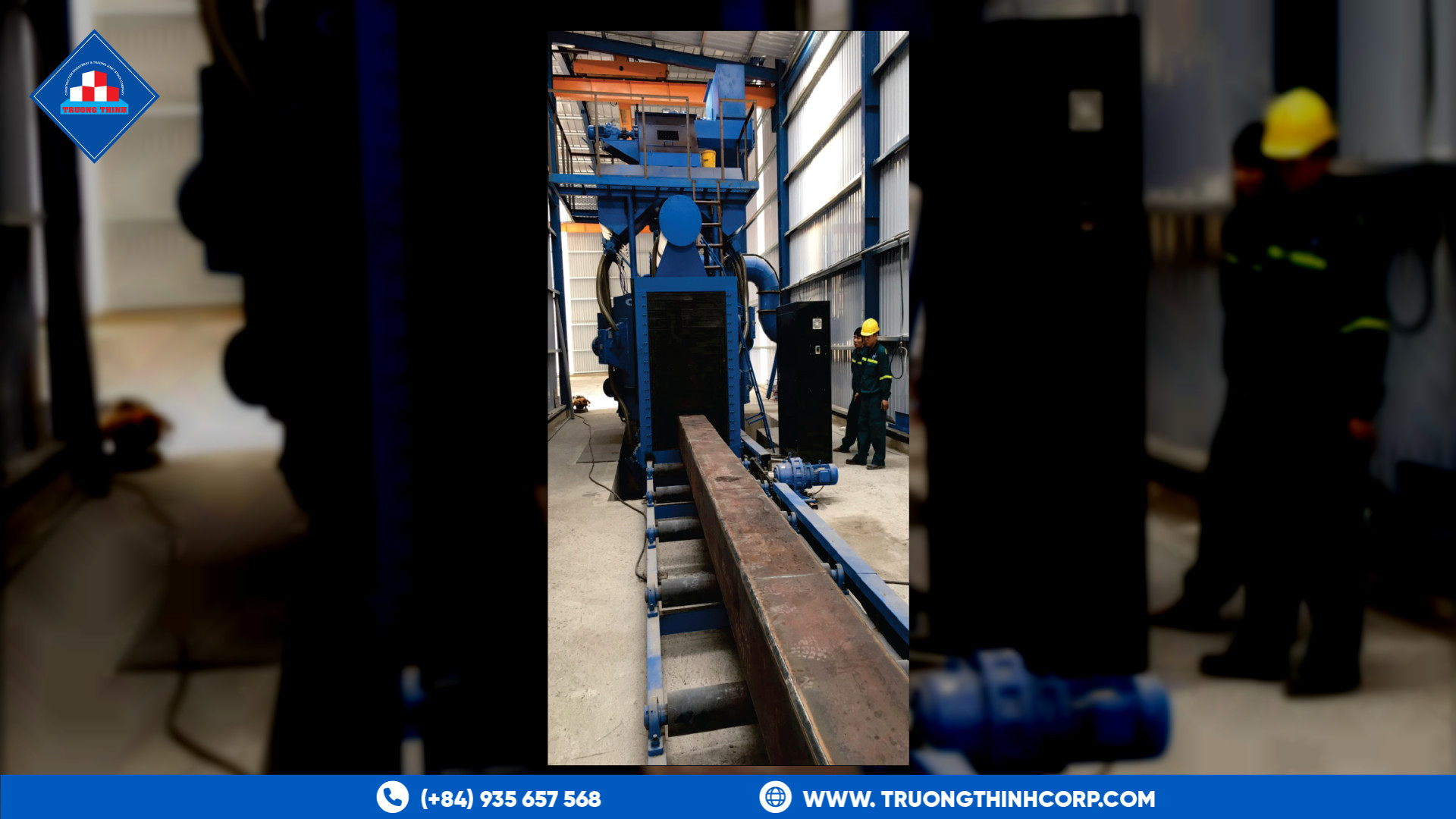
Painting over galvanized steel (a duplex system) can extend the life of the coating in aggressive environments. It requires surface preparation that differs from blasting bare steel. Specify the surface treatment and the coating system together. The coating data sheet should confirm compatibility with galvanized surfaces.
How Truong Thinh applies this
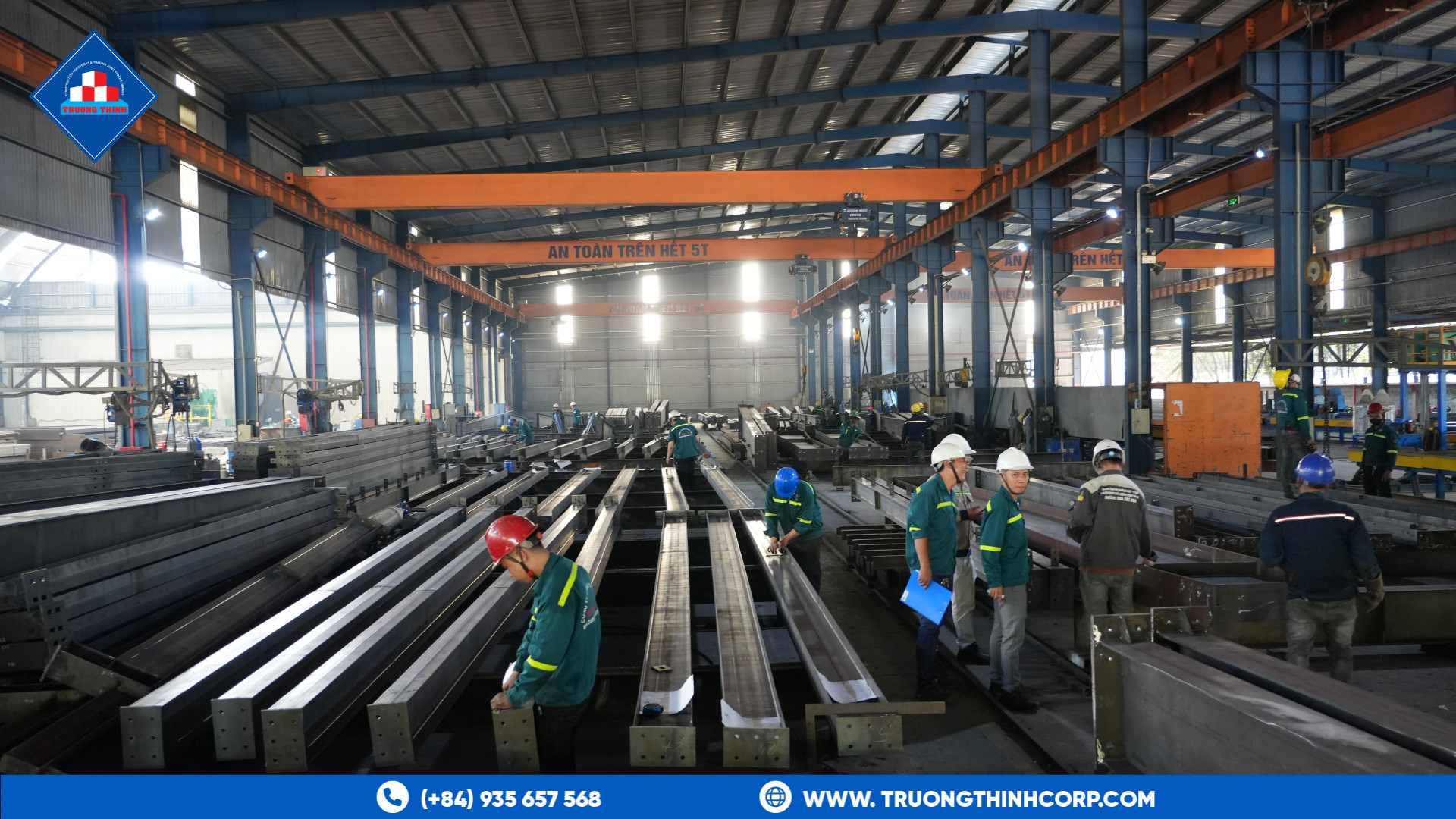
Truong Thinh’s public website lists hot-dip galvanizing among the finishing options for its steel structures, alongside industrial paint systems. For any member that will be galvanized, the fabrication package should include checks for vent holes, drain holes and bath-size limits.
Frequently asked questions
Is hot-dip galvanizing always better than painting? Not always. It is strong for many environments, but it does not suit every situation. The right answer depends on the corrosivity category, design life, maintenance access and budget.
Can galvanized steel be welded after coating? Welding on galvanized steel produces zinc fumes and damages the coating near the weld. Plan field welds in advance, and specify how the damaged coating will be repaired.
Does galvanizing change the mechanical properties of the steel? The process involves heating, so the specification should be checked for members where heat treatment or strength is critical. Ask the galvanizer and the engineer of record to confirm this for the specific steel.
Next step
If you are evaluating galvanized steel for a coastal, agricultural or food-processing project, send the environment, design life and member list with your drawings. Our engineering team can check the design for vent holes, drain holes and bath-size limits before fabrication starts.
Discuss Your Structural Design Requirements with our engineering team.
Related reading: steel structures for ports and marine terminal facilities and steel structure fabrication in Vietnam.
Featured image: photo by Wertuose, via Wikimedia Commons, licensed CC BY-SA 4.0 (cropped and watermarked). Original file.
Free quotation · Reply within 24 hours
Request a quotation for hot dip galvanized steel structure
Tell us about your steel structure project. Our engineering and sales team will reply with a tailored proposal, usually within 24 hours.
Need an answer faster? Call our engineers directly.
Mon–Fri 8:00–17:30 · Sat 8:00–12:00 (GMT+7)