

A mill test certificate (MTC) links a steel batch to its chemical composition and mechanical test results. For a buyer, the useful question is not whether a certificate exists. It is whether the certificate describes the exact steel that ends up in your building, and whether anyone can trace each member back to it.
Most documentation problems on structural projects show up late: a certificate for a different heat, a photocopy that cannot be checked, or a grade that was assumed rather than confirmed. Each one can hold up inspection, approval or erection.
What a mill test certificate contains
A typical certificate for structural sections or plates includes:
- Heat (cast) number, which ties the certificate to the steel produced in one melt
- Chemical analysis of that heat
- Tensile results: yield strength, tensile strength and elongation
- Impact test results where the specification requires them
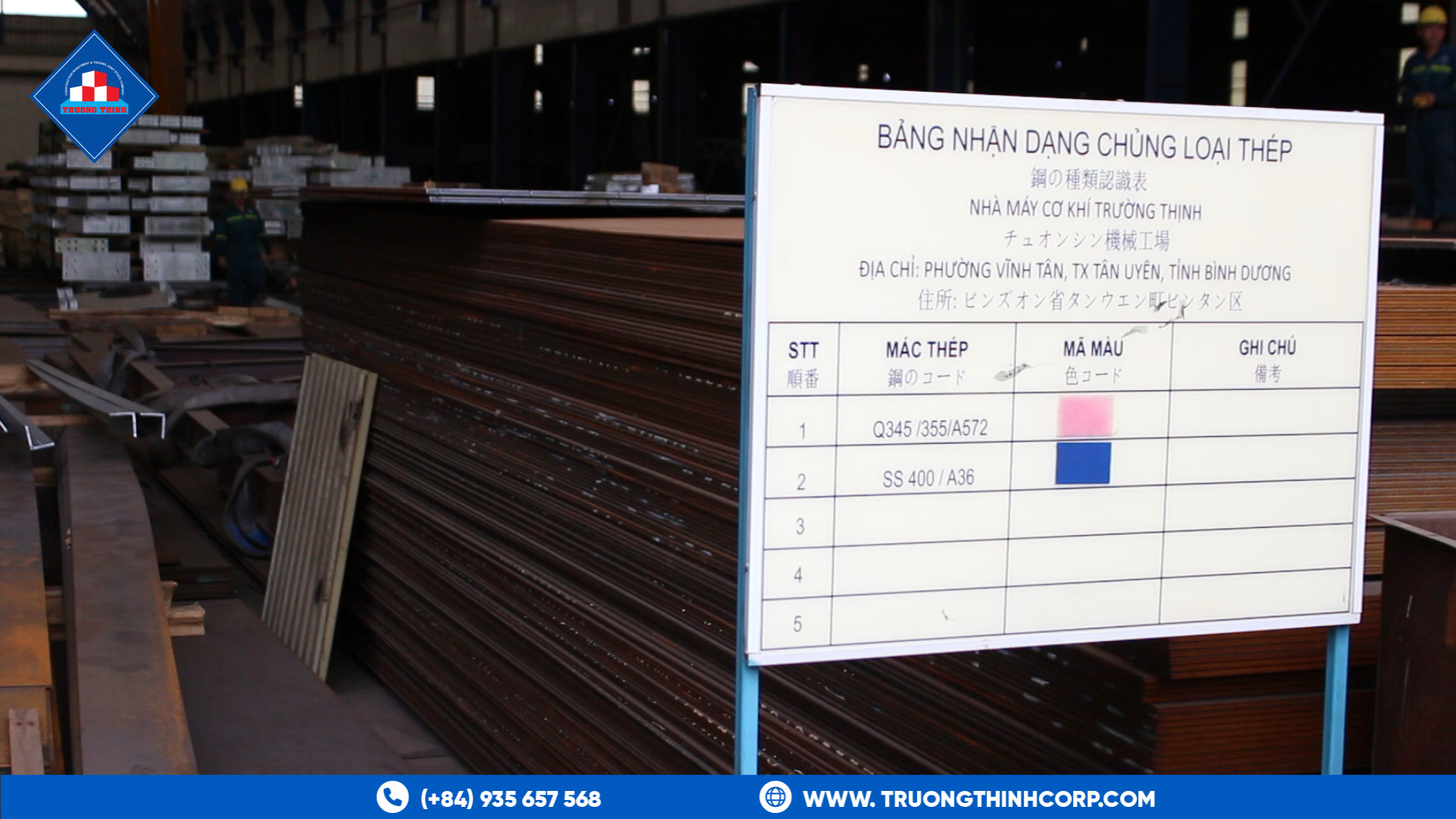
- The governing product specification, such as ASTM A36, ASTM A572, JIS G3101 (SS400) or EN 10025
- Product form, dimensions and the producing mill
Read the specification line first. A certificate that shows a near-match grade does not prove the steel meets the one in the project specification. Grades are not automatically interchangeable, even when their strength levels look similar on paper. If a substitution is proposed, the engineer of record has to approve it against the governing specification.
EN 10204 types 3.1 and 3.2
EN 10204 defines the type of inspection document. The two you will see most often are:
- Type 3.1: issued by the manufacturer’s inspection department, independent of the production department, stating that the product conforms to the order and listing test results.
- Type 3.2: additionally verified by an independent inspector or the purchaser’s representative, who signs the document.
Type 3.1 is common for structural steel. Type 3.2 adds a third-party check, which costs more and needs to be arranged in advance. Specify the type in the purchase order, not after delivery.
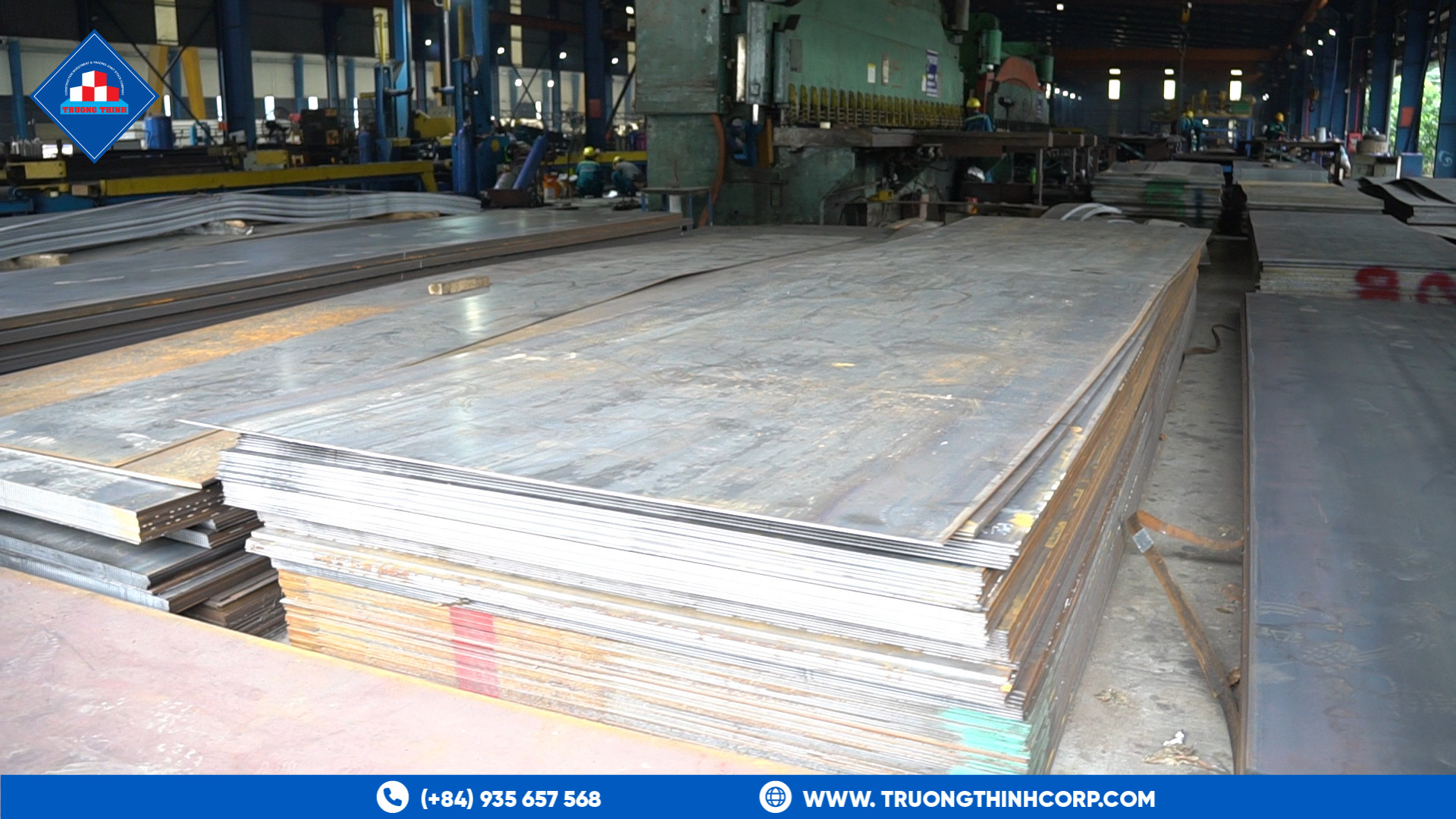
Traceability is where most gaps appear
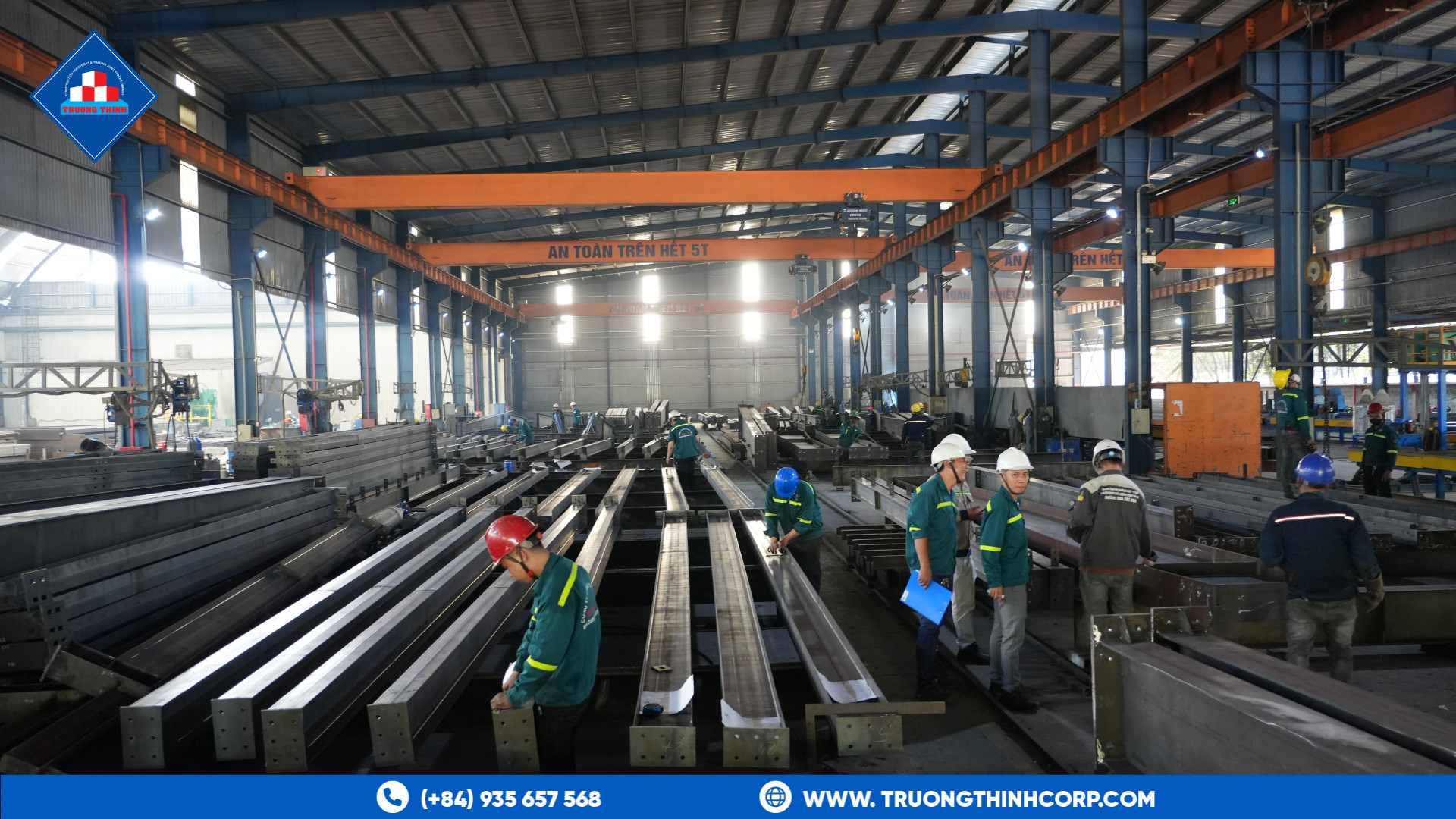
A certificate only helps if the heat number survives fabrication. Plates and beams are cut, drilled and sometimes re-cut. Once a piece is separated from its original mark, the heat number must be transferred to the new part or to a remnant that stays with it. If that transfer is not recorded, the certificate can no longer be linked to the member in the building.
Ask the fabricator how traceability is kept during:
- Receiving: each delivery checked against the certificate and the purchase order
- Cutting: heat numbers transferred before or during cutting
- Assembly and welding: tracking codes carried into the shop drawings and welding records
- Shipping: packing lists matched to member marks
What to check before you accept a delivery
- The heat number on the certificate matches the marking on the steel
- The grade and dimensions match the approved drawing schedule
- The certificate is an original or a verifiable copy, not an unreadable scan
- The document refers to the governing specification in the project documents
- Any substitution has written engineering approval
How Truong Thinh handles documentation
On its public website, Truong Thinh states that incoming materials are checked against CO and CQ certificates, and that plates, beams and brackets are labeled with a tracking code stored in the production system. Raw materials such as SS400 and Q235-A are described as supplied with CQ/MTC certificates.
Frequently asked questions
Is a CO/CQ the same as a mill test certificate? Not necessarily. In Vietnamese supply chains, CO (certificate of origin) and CQ (certificate of quality) are common terms. Confirm that the CQ includes the heat-level chemical and mechanical results you need. A document that only states conformity is not the same as a test report.
Do I need a 3.2 certificate for every project? No. Specify the type that the project requires. Third-party witnessing adds cost and lead time, so it should be a deliberate choice.
Can a fabricator substitute a different grade if the certificate is good? Only with approval from the engineer of record. Equivalence depends on the governing specification and the design basis.
Next step
If your project has a documentation schedule, send the governing material specification and required certificate type with your drawings. Our engineering team can confirm what the fabrication package will include before the order is placed.
Contact the Engineering Team to discuss your documentation requirements.
Related reading: Structural steel export from Vietnam: what buyers should prepare and how Tekla-based detailing supports fabrication accuracy.
Free quotation · Reply within 24 hours
Request a quotation for mill test certificate steel
Tell us about your steel structure project. Our engineering and sales team will reply with a tailored proposal, usually within 24 hours.
Need an answer faster? Call our engineers directly.
Mon–Fri 8:00–17:30 · Sat 8:00–12:00 (GMT+7)