

“What is the lead time?” is one of the first questions on any steel structure enquiry, and one of the hardest to answer honestly before the scope is fixed. Lead time depends on the building, the approval process and the fabricator’s schedule. A single number quoted without that context is not a schedule.
This article explains what the lead time is made of, why fabrication capacity does not tell you when a building will arrive, and what buyers can do to shorten the timeline without cutting corners.
Define the lead time before you compare suppliers
Suppliers may measure lead time from different starting points. Before comparing quotations, agree on:
- Start date: signed order, approved shop drawings, or receipt of the design package
- End date: ex-works, delivery to port, or delivery to site
- Included stages: engineering, procurement, fabrication, surface treatment, inspection, packing and transport
- Excluded stages: site foundations, erection and client approval cycles
Without a shared definition, two quotations with different lead times may describe very different schedules.
The stages that make up the schedule
A steel structure project usually moves through these stages:
- Design and shop drawings. Engineering calculations, detailing and drawing approval. Client review loops and late design changes often take longer than fabrication itself.
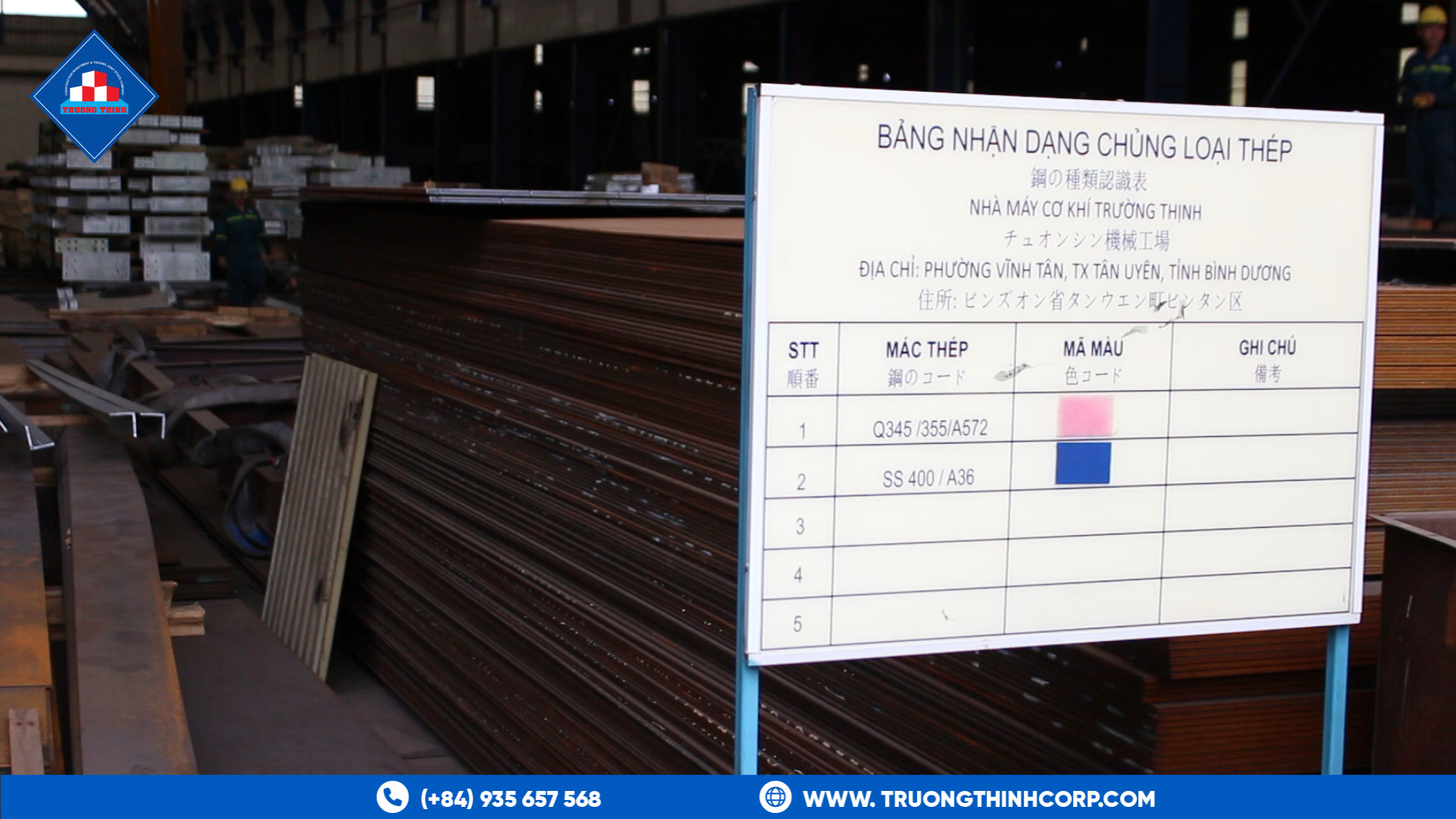
- Material procurement. Steel sections and plates are ordered from mills or distributors. Less common sections, specific grades or large plate thicknesses can have longer supply times.
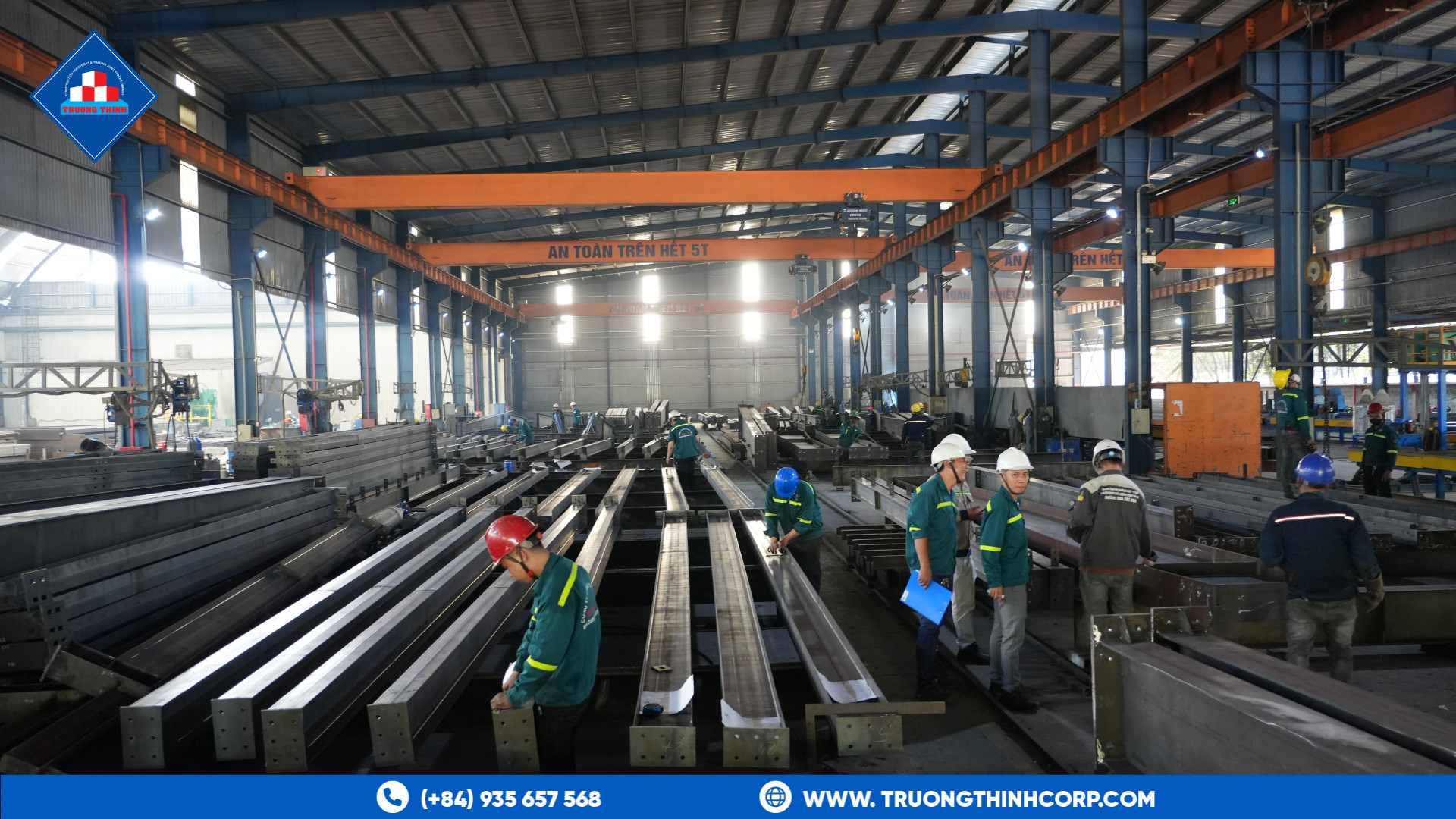
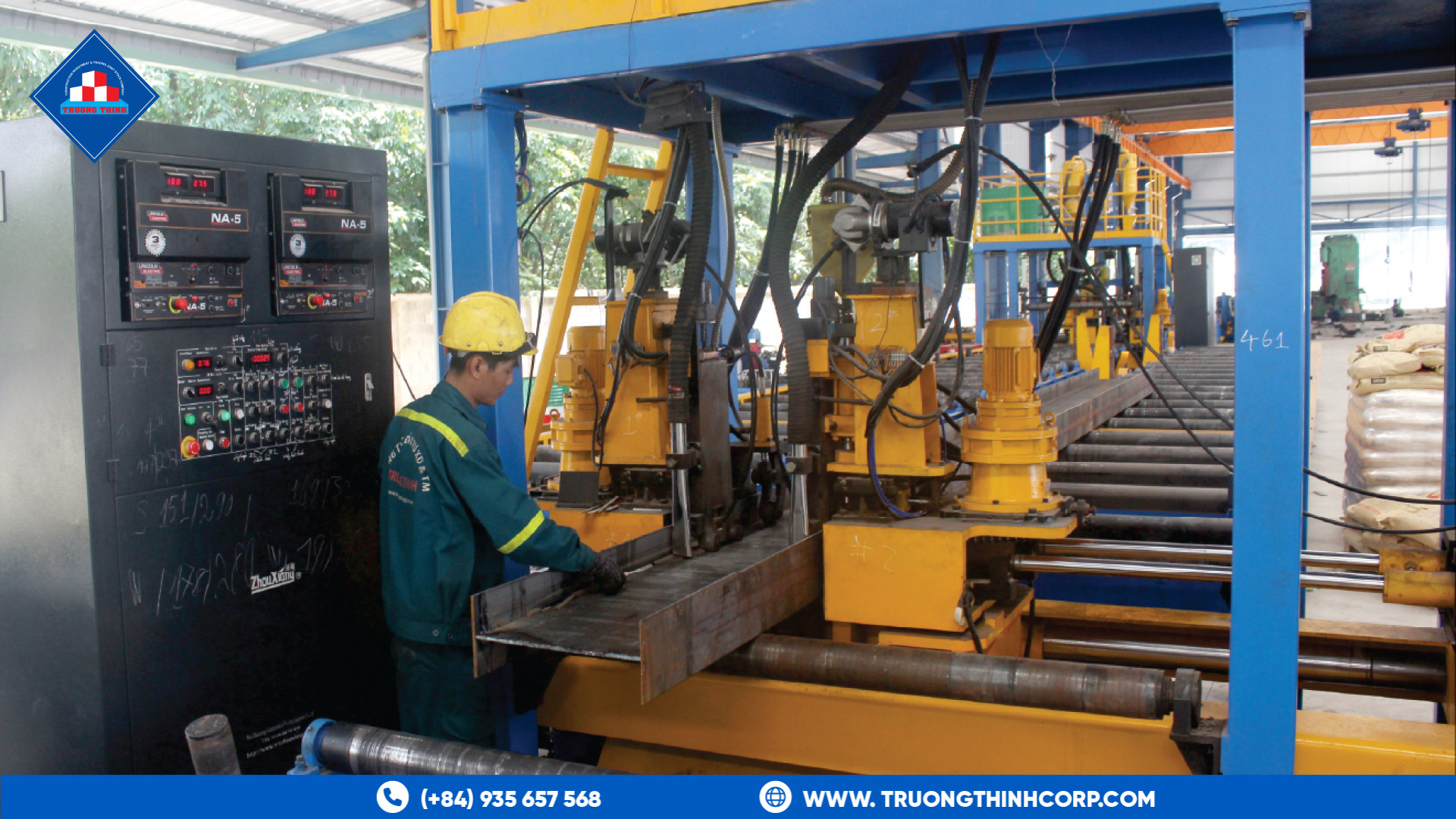
- Fabrication. Cutting, drilling, welding, assembly and dimensional checks.
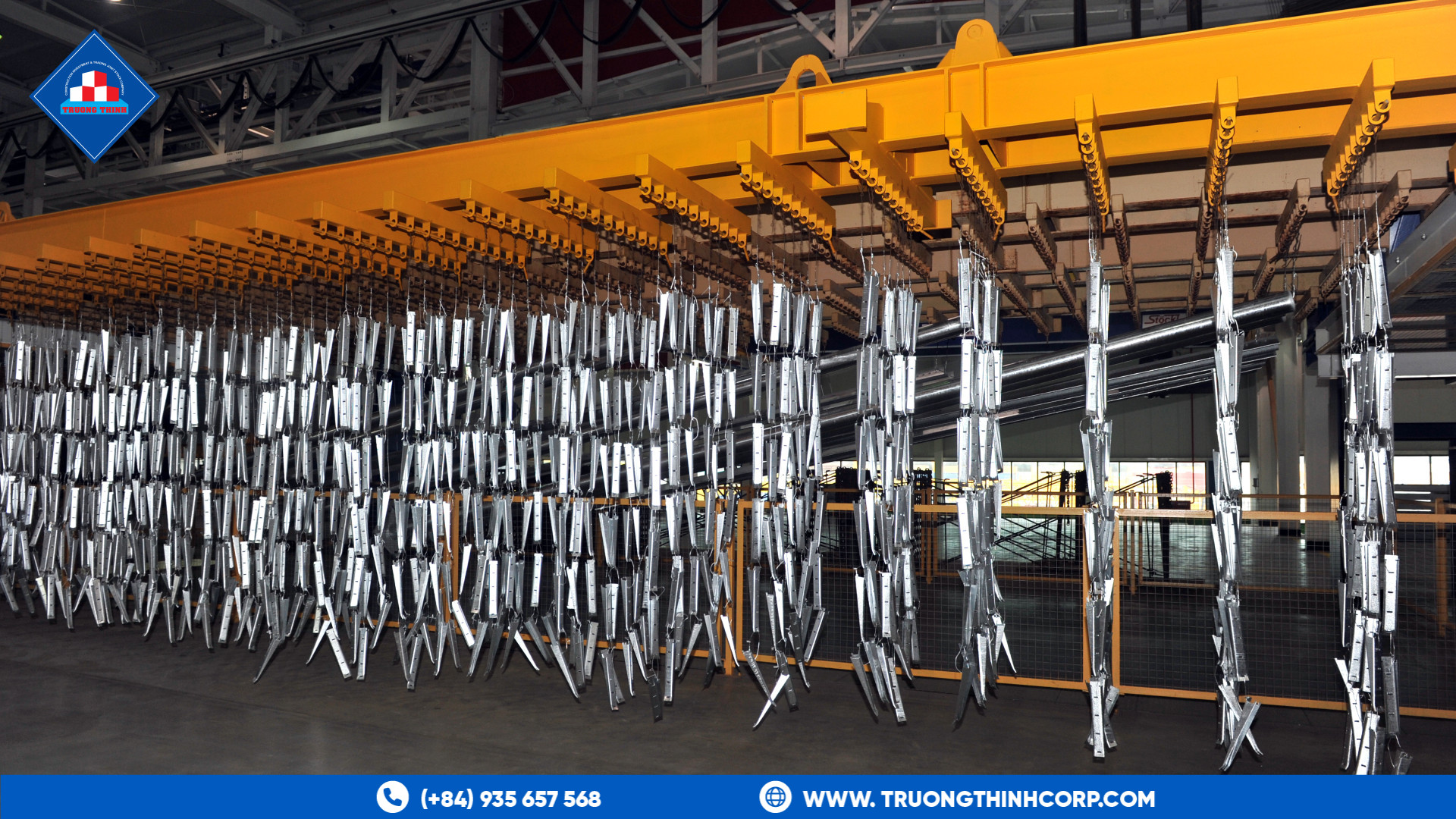
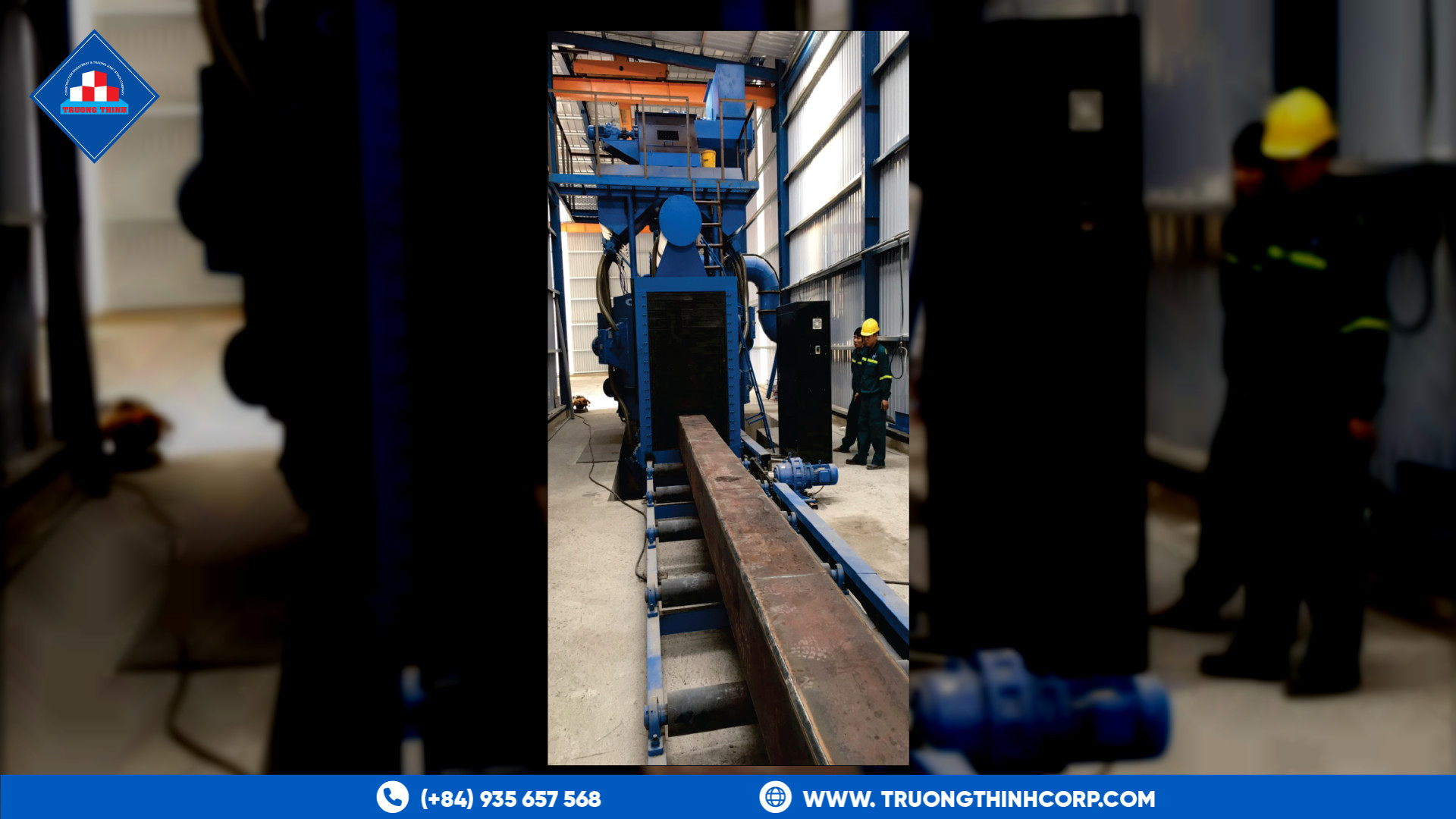
- Surface treatment. Blasting, priming and topcoat, or hot-dip galvanizing where specified. Galvanizing can add a separate queue if it is subcontracted.
- Inspection and packing. Inspection reports, marking, packing lists and export documentation.
- Transport. Trucking, port handling and shipping, where applicable.
Erection is a separate schedule and should not be assumed to fit inside the fabrication lead time.
Capacity is not the same as schedule
A fabricator’s monthly capacity describes how much steel it can process. It does not tell you when your order will be completed. What matters is the current backlog, the queue for each process, and how much capacity is already committed to other projects. A factory with high capacity can still have a long queue for surface treatment if that step is outsourced.
When you ask a supplier about capacity, ask how much of the capacity is available for your schedule, and how the backlog is reported.
What causes delays most often
- Late approval of shop drawings, or several rounds of comments on the same details
- Design changes after fabrication has started
- Long-lead materials that were not reserved early
- Surface treatment or galvanizing queues
- Incomplete documentation, such as missing mill certificates, which can hold up release for shipment
- Export documentation and shipping schedules that were not agreed in advance
Most of these are within the buyer’s control, which is why the planning conversation matters as much as the fabrication capacity.
How to shorten the timeline
- Freeze the design early. Agree on spans, column grids, crane loads and connection philosophy before detailed drawings start.
- Approve shop drawings in one consolidated round. Gather comments from the structural engineer, architect and client into a single response.
- Use standard profiles where possible. Standard sections are easier to source than special rolled or built-up members.
- Specify documentation requirements at the start. Certificate types, inspection witness points and packing standards should be in the purchase order.
- Share the erection sequence early. It determines the packing and shipping order, which can save time on site.
What to ask a supplier
Ask for a stage-by-stage schedule, not a single figure. Useful questions include:
- Which stages are done in-house, and which are subcontracted?
- What is the current queue for surface treatment or galvanizing?
- What are the dependencies on client approvals, and by when are they needed?
- How is progress reported during fabrication?
- How are delays communicated, and what options are offered if the schedule slips?
How Truong Thinh approaches scheduling
Truong Thinh’s public website describes reserve material stock, BOQ-based material tracking and a five-step integrated workflow from design to handover. These practices affect how a schedule is planned, but they do not replace a project-specific schedule.
We do not publish a standard lead time in this article. The schedule depends on scope, drawing approval speed, material availability and the surface treatment route. Once the design package and the required delivery date are known, the engineering team can prepare a stage-by-stage schedule for your project.
Frequently asked questions
How long does steel structure fabrication usually take? It depends on the building size, member count, surface treatment and the approval cycle. A reliable answer needs the drawings and the required delivery date.
Can lead time be shortened by paying more? Sometimes, for example by reserving material or adding shifts. But the largest gains usually come from earlier design freeze and faster approvals.
Does the lead time include erection? Usually not. Confirm the scope in the quotation, and plan erection separately.
Next step
Send your drawings, the required delivery date and the destination with your enquiry. Our team can respond with the stages, the dependencies and the main risks to the schedule.
Request a Fabrication Quotation and include your delivery window.
Related reading: how to prepare a steel structure RFQ and structural steel export from Vietnam.
Free quotation · Reply within 24 hours
Request a quotation for steel structure lead time
Tell us about your steel structure project. Our engineering and sales team will reply with a tailored proposal, usually within 24 hours.
Need an answer faster? Call our engineers directly.
Mon–Fri 8:00–17:30 · Sat 8:00–12:00 (GMT+7)