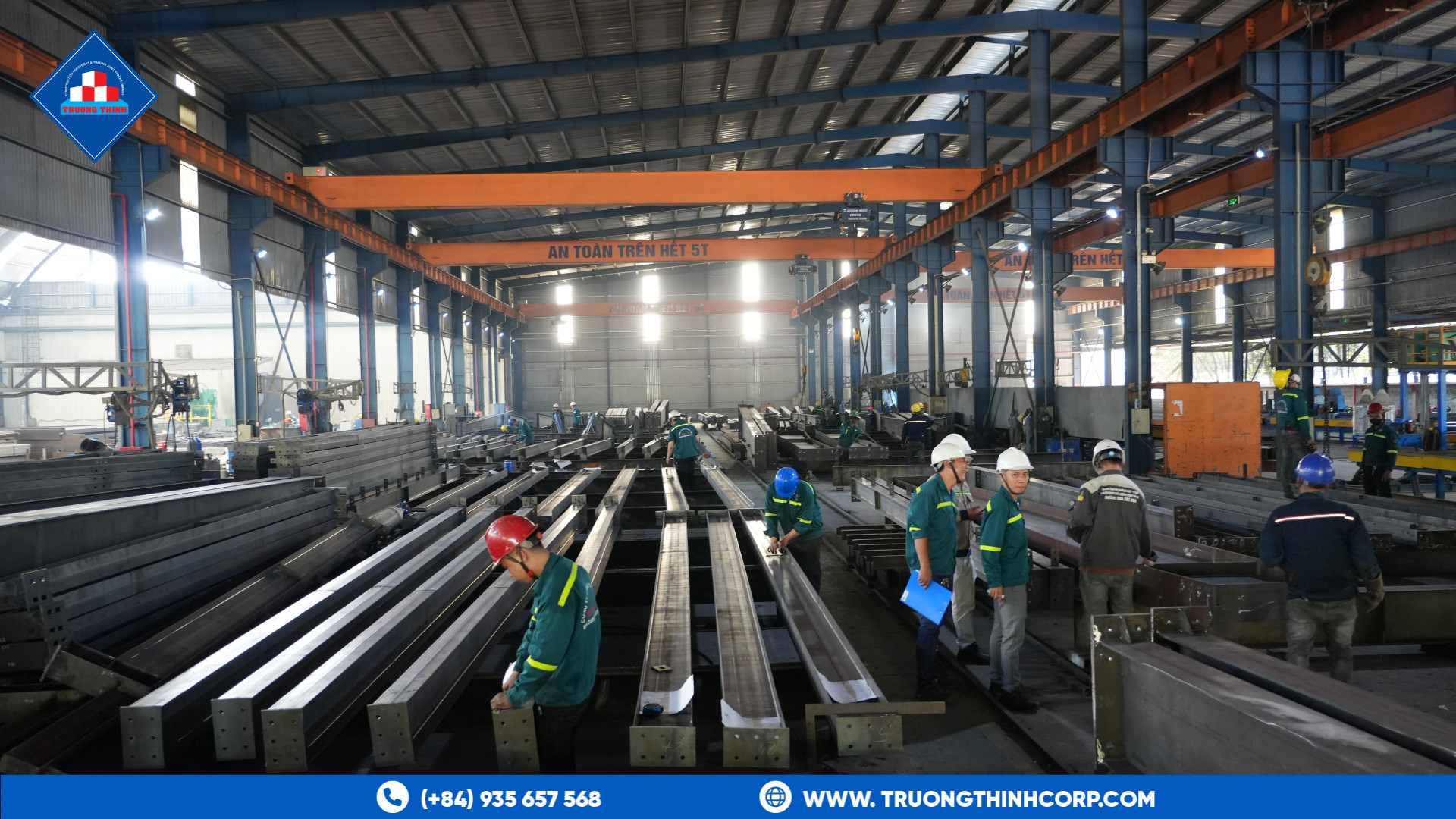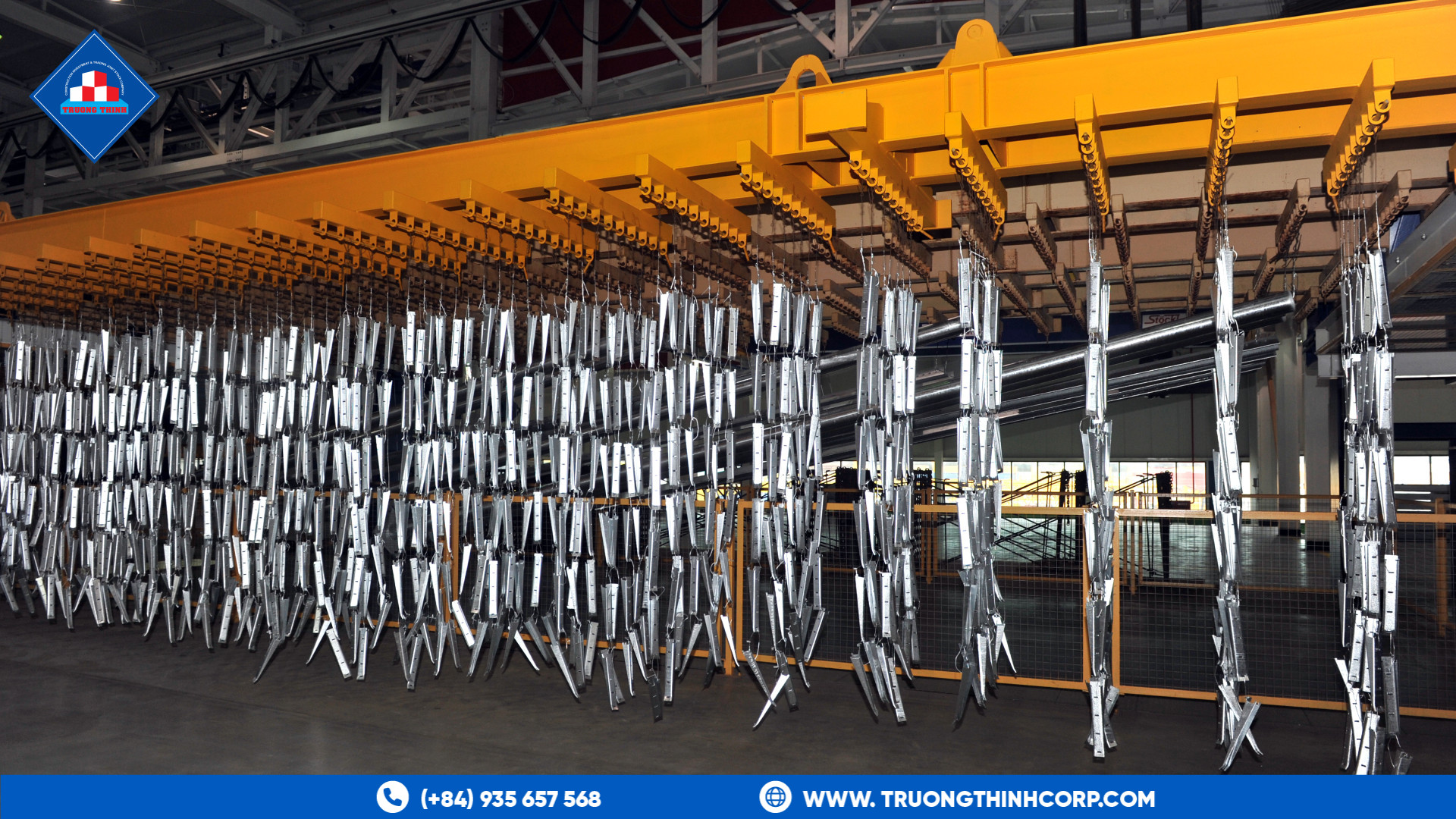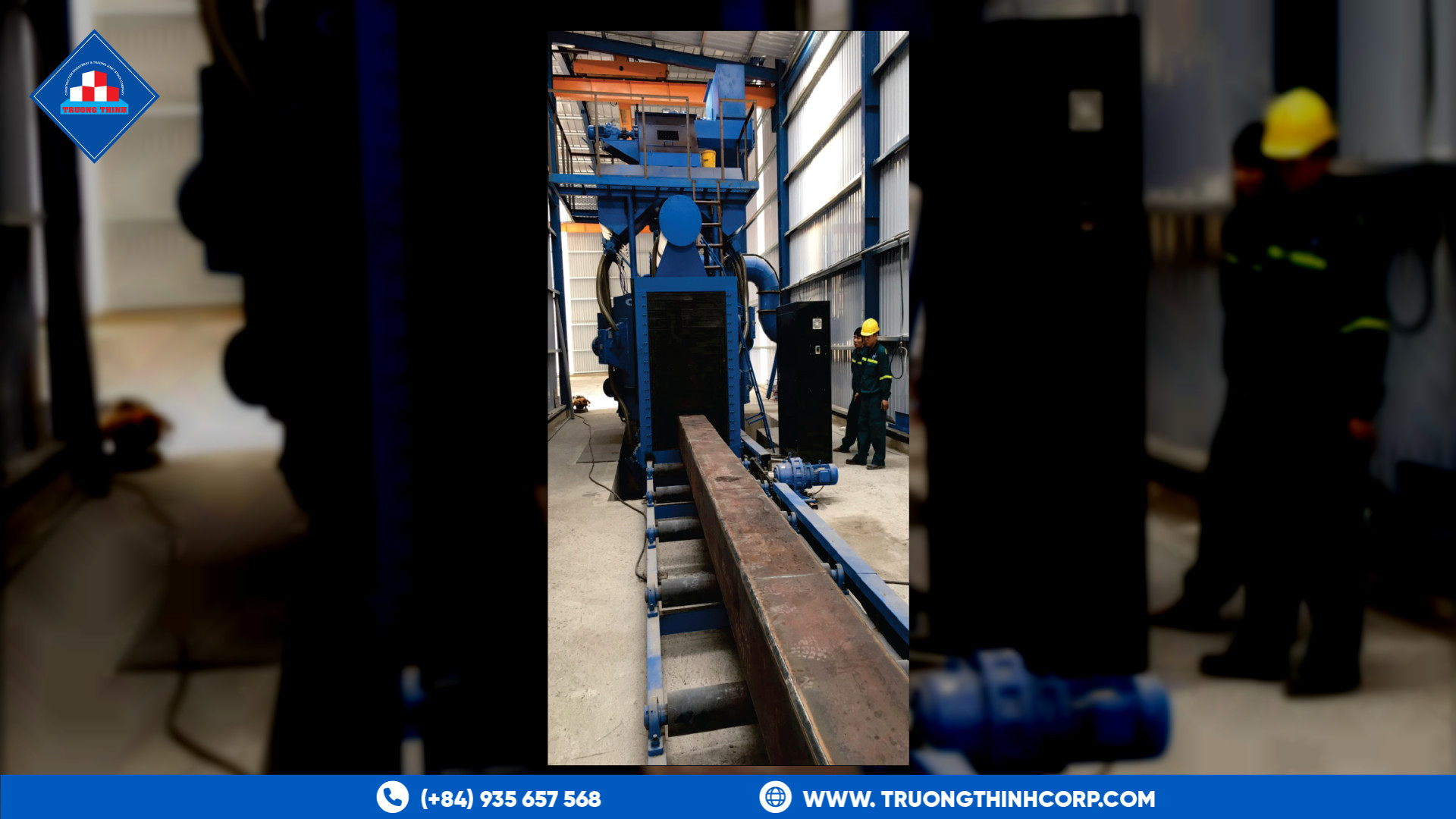



A vague steel structure quotation request, just a building area and a deadline, produces a vague, hard-to-compare quotation back. This guide sets out the technical and commercial inputs a request for quotation (RFQ) should include so a manufacturer can price a project accurately, and what a complete quotation in return should show.
Why RFQ quality changes quotation quality
A manufacturer cannot accurately price a project when the request contains only building area and a deadline. The RFQ needs enough information to understand design responsibility, materials, coating, delivery and installation scope.
A clear RFQ reduces clarification cycles and gives the procurement team quotations it can compare.
Minimum technical inputs
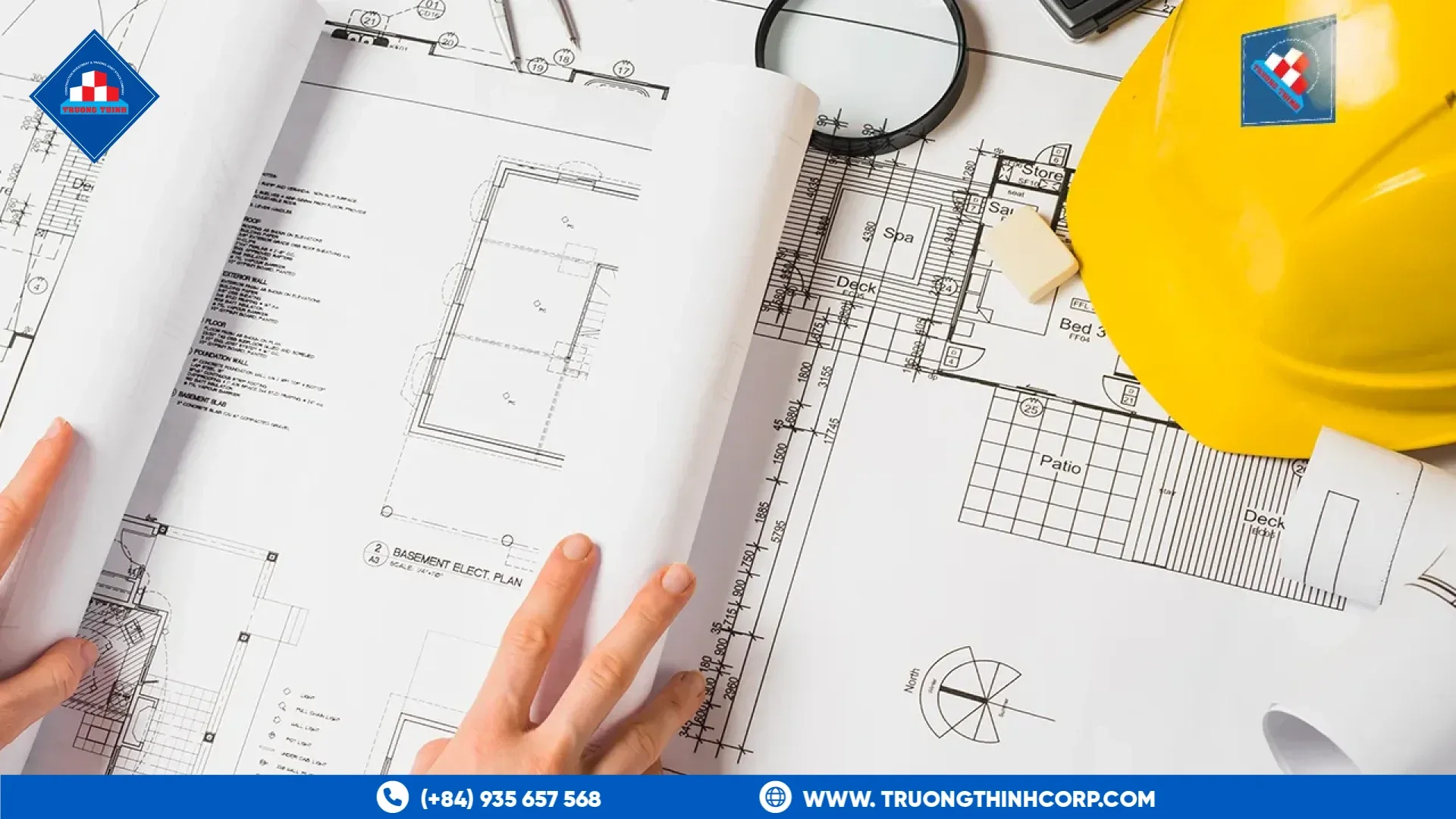
Provide drawings or conceptual layouts, dimensions, span and bay spacing, design loads, building use, equipment loads where relevant, site/country, governing standards, corrosion environment, coating requirements and expected deliverables.
Where drawings are not final, identify the level of design maturity so the manufacturer can state assumptions.
Commercial inputs
State required delivery location, requested Incoterm, target delivery date, packing/document requirements, inspection requirements, payment assumptions and whether erection is included.
For export RFQs, identify whether the buyer requires certificates, material test reports, inspection dossiers, country-specific documents or other third-party evidence.
What a quotation should show
A useful quotation should separate material scope, engineering, fabrication, coating, packing, transport and erection. It should list exclusions, assumptions, validity period and lead time.
This makes it possible to compare offers without guessing what is included.
RFQ checklist
Use a one-page RFQ checklist before sending: project name, location, use, approximate tonnage, drawings, standards, coating, delivery, erection, documentation and deadline.
The goal is not to create paperwork for its own sake. The goal is to avoid price changes caused by missing information.
This RFQ format works no matter who receives it; a steel structure manufacturer, a steel structure supplier, or a full steel structure contractor. What changes between them is the scope boundary each one prices against, not the underlying project information all three need to quote accurately.

Frequently Asked Questions
Why does RFQ quality affect quotation accuracy?
A manufacturer cannot price a project accurately from just area and a deadline; the RFQ needs enough information on design responsibility, materials, coating, delivery and installation scope to avoid clarification cycles and price changes later.
What technical inputs should a steel structure RFQ include?
Drawings or conceptual layouts, dimensions, span and bay spacing, design loads, building use, equipment loads where relevant, site/country, governing standards, corrosion environment, and coating requirements.
What commercial information should be stated in an RFQ?
Required delivery location, requested Incoterm, target delivery date, packing/document requirements, inspection requirements, payment assumptions, and whether erection is included in scope.
What should a complete steel structure quotation show?
Material scope, engineering, fabrication, coating, packing, transport and erection listed separately, along with exclusions, assumptions, validity period and lead time; so offers can be compared without guessing what is included.
Free quotation · Reply within 24 hours
Send your project details to our engineering team
Tell us about your steel structure project. Our engineering and sales team will reply with a tailored proposal, usually within 24 hours.
Need an answer faster? Call our engineers directly.
Mon–Fri 8:00–17:30 · Sat 8:00–12:00 (GMT+7)