

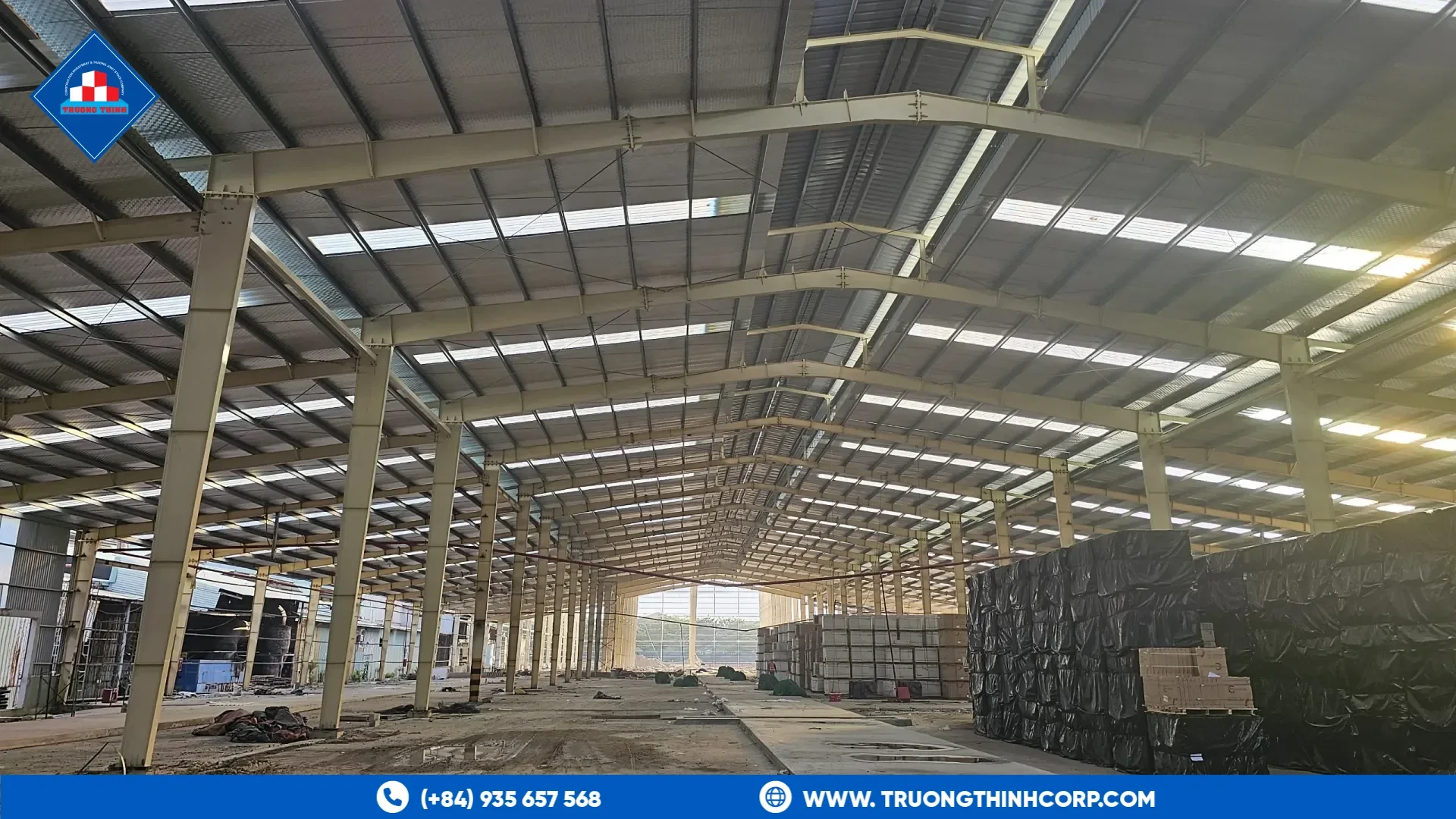
A steel structure needs planned inspection after handover. Most of the risk comes from the coating, the connections and the places where water collects. The frame itself rarely fails suddenly, but small problems left unchecked grow into repair work that is more expensive than routine maintenance. The inspection frequency should follow the building’s environment and the owner’s maintenance plan, rather than a fixed calendar.
Start with the coating system
The protective coating is the first line of defence. Inspectors look for three things: chalking or loss of gloss, blistering or lifting, and rust that has started at edges, welds and bolt heads. Edges and welds are the usual first points of failure, because the coating is thinner there. Where rust appears in a small patch, it can be cleaned and recoated locally. Where it spreads across large areas, the coating system probably no longer matches the exposure, and a full recoating plan is needed.
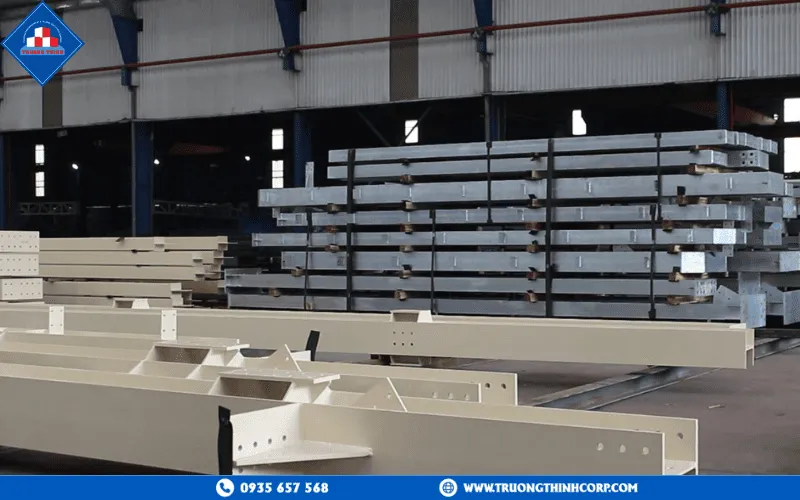
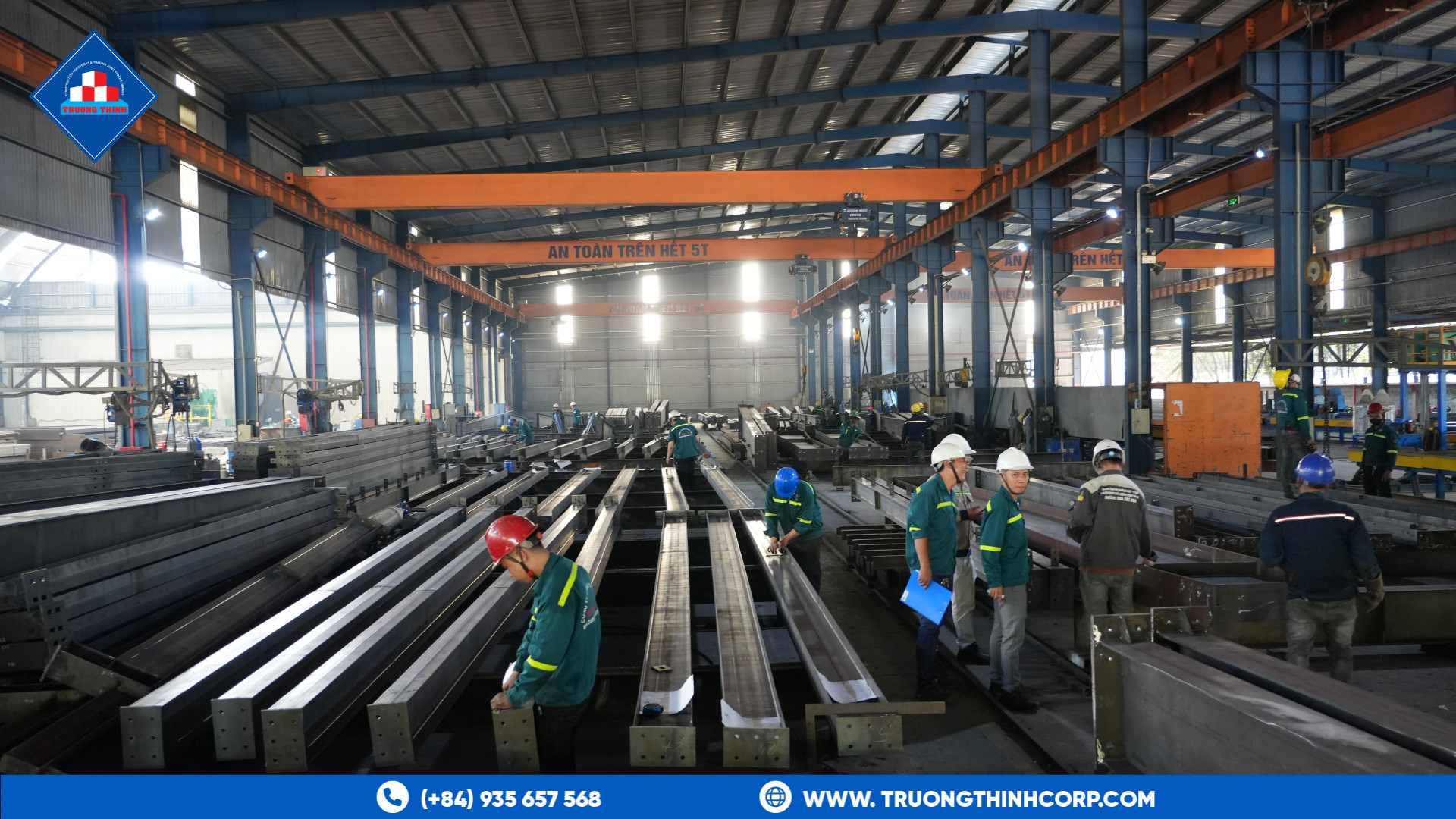
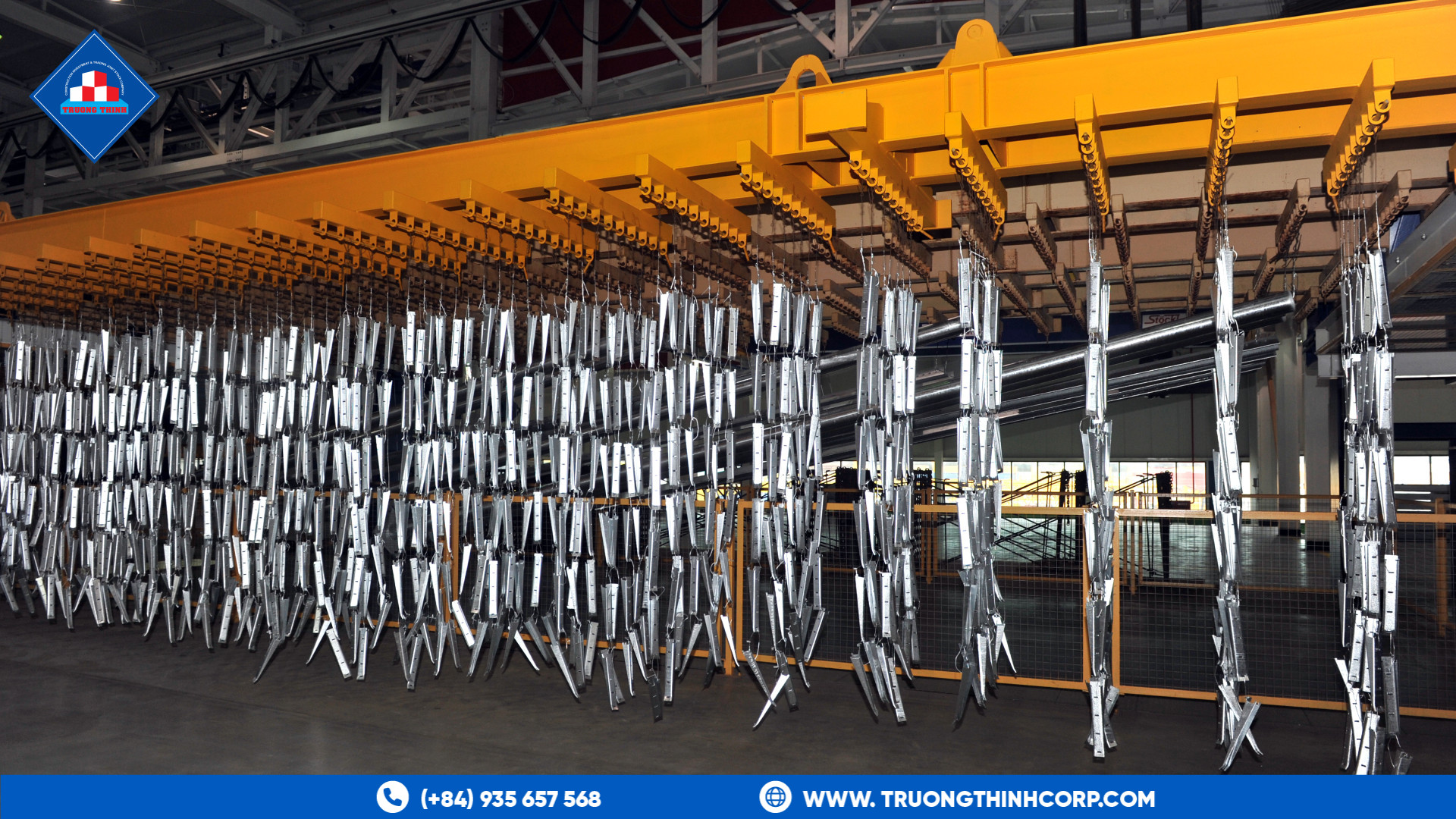
At Truong Thinh, structural surfaces are shot-blasted to Sa 2.5 and coated with industrial epoxy paint, and C and Z purlins are hot-dip galvanized. A maintenance record should note the coating system applied at fabrication, so that touch-up work uses a compatible product.
Check bolted joints and connections
Bolted connections should be inspected for visible loosening, missing nuts, damaged threads and gaps that open under load. Where the design calls for a specific bolt tightening method, the same method should be used for any replacement. Welded joints are checked for cracking near the toes of the weld and for corrosion that hides cracks under the coating. Connection plates in exposed areas deserve particular attention, because water trapped between plates accelerates corrosion.
Column bases and water traps
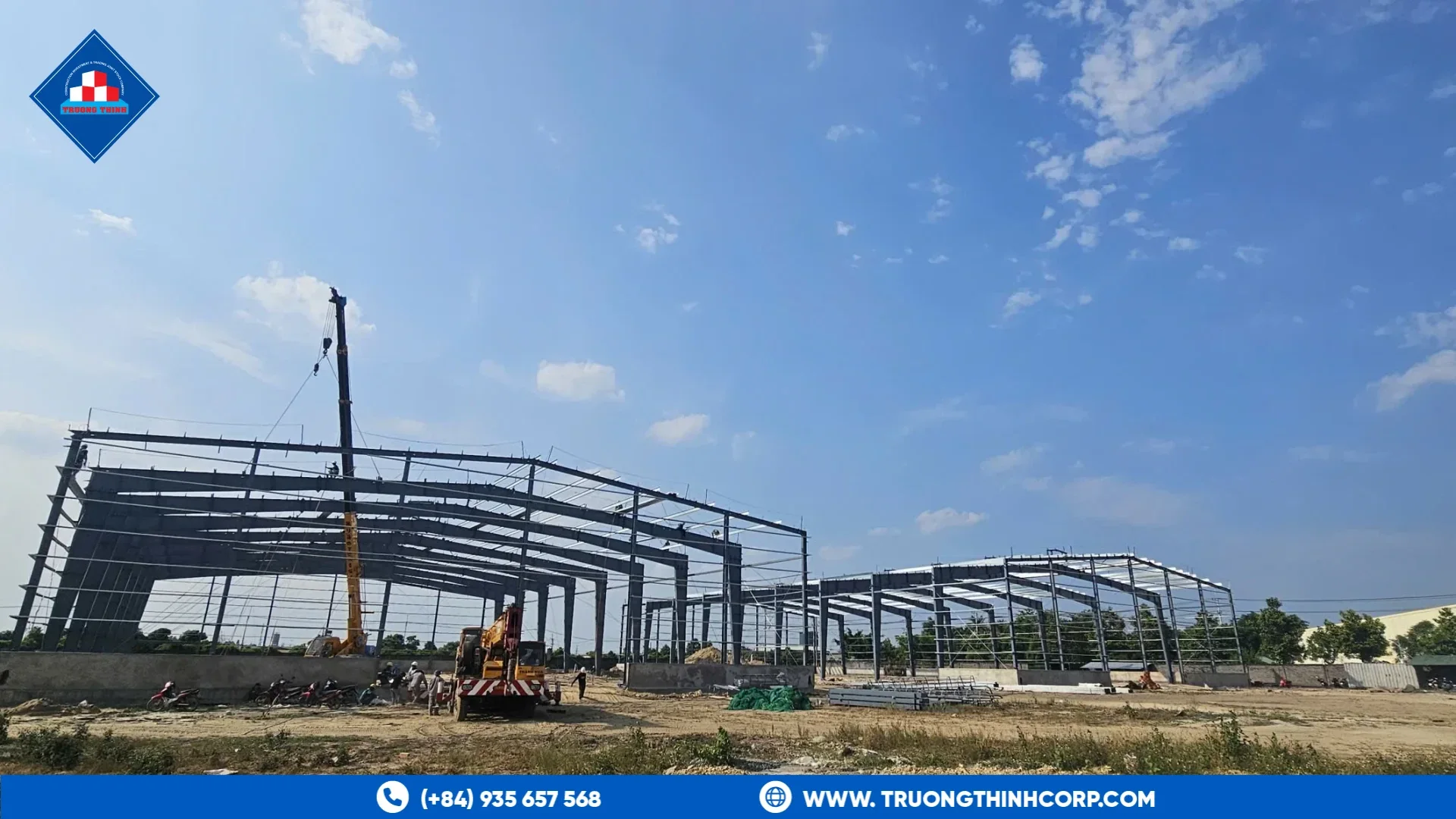
Column bases are the most exposed details in the frame. Check the grout or the base plate surround for cracks, confirm the anchor bolt nuts are still tight, and make sure water can drain away rather than pool around the plate. Pooled water and debris against a column can corrode the lower metre of the column faster than the rest of the frame.
Roof, gutters and drainage
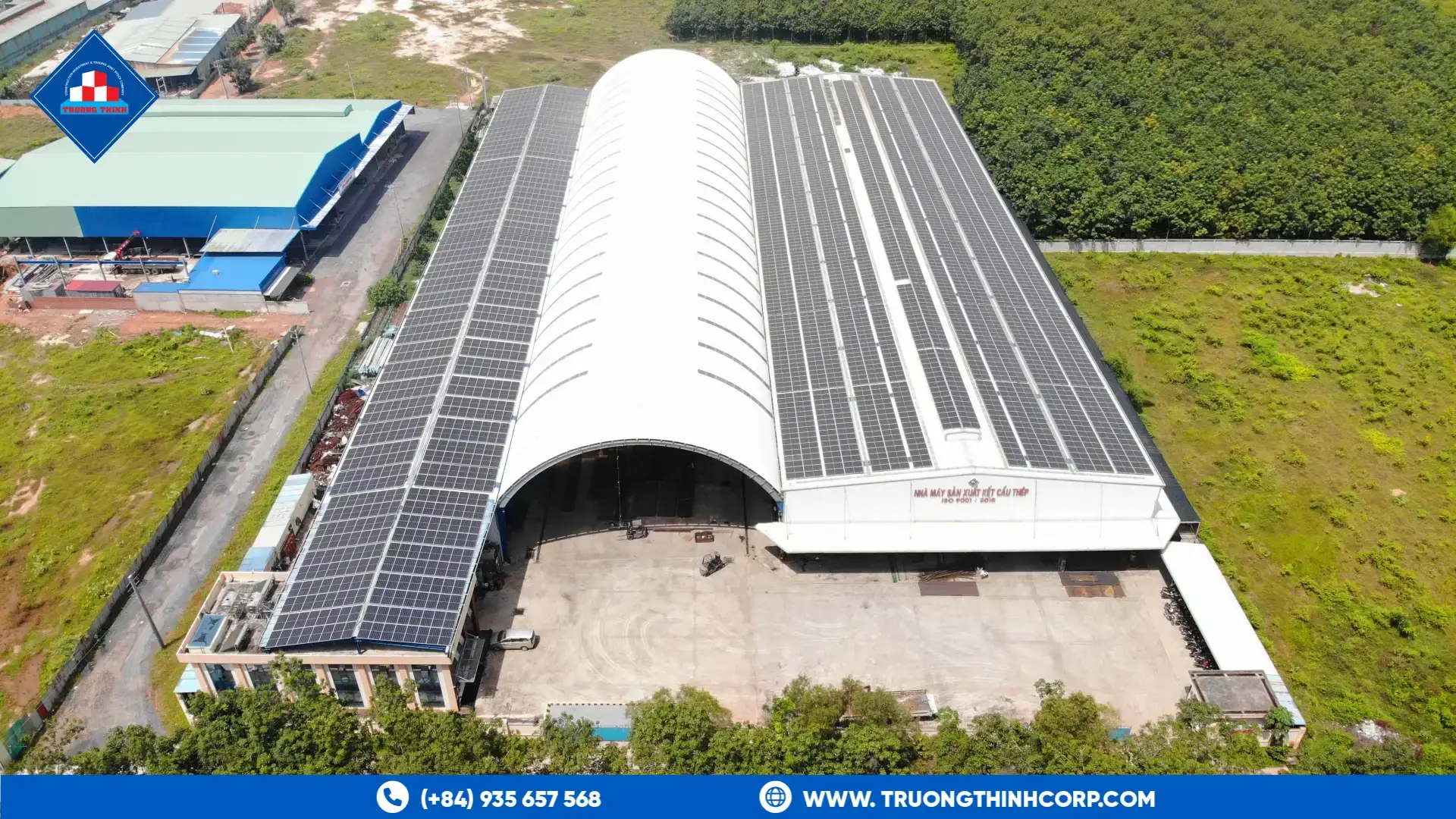
Roof leaks are often blamed on the cladding, but blocked gutters and poor falls can overload purlins and fixings with standing water. Clean gutters, check outlets, and look for ponding after rain. For roofs with rooftop equipment, confirm that the equipment supports and new loads are within the design assumptions.
A practical inspection schedule
- After handover: record the baseline condition with dated photographs and keep the coating and bolt information with the building file.
- Each year in mild environments, or more often in coastal or chemical areas: visual check of coating, bolted joints, column bases and drainage.
- After severe weather or a change of use: check the roof, the bracing and any new loads, and record the findings.
- Before extension or major modification: have the structural engineer review the existing frame and its capacity.
The schedule should be agreed with the building owner and the engineer, and adjusted when the inspection results show faster deterioration than expected.
Frequently Asked Questions
How often should a steel structure be inspected?
The frequency depends on the environment, the coating system and the use of the building. Coastal, humid or chemical environments need more frequent checks than dry indoor environments. Set the schedule in the maintenance plan and review it after the first few inspections.
Can rust on a steel column be repaired without recoating the whole frame?
Often yes. Small areas can be cleaned, prepared and touched up with a compatible coating. Large or repeated corrosion suggests the coating system needs a wider review, and the engineer should assess any section loss before repair.
Who should carry out the inspection?
A general visual check can be done by the building maintenance team. Structural concerns, such as cracked welds, loose connections in the main frame or section loss, should be assessed by a structural engineer.
If you are planning an extension or a change of use, discuss your structural design requirements with our engineering team before the work starts. Share the drawings, the original coating information and the new loads, and we will advise on the next steps.
Free quotation · Reply within 24 working hours
Request a quotation for steel structure maintenance
Tell us about your steel structure project. Our engineering and sales team will reply with a tailored proposal, usually within 24 working hours.
Need an answer faster? Call our engineers directly.
Mon–Fri 8:00–17:30 · Sat 8:00–12:00 (GMT+7)