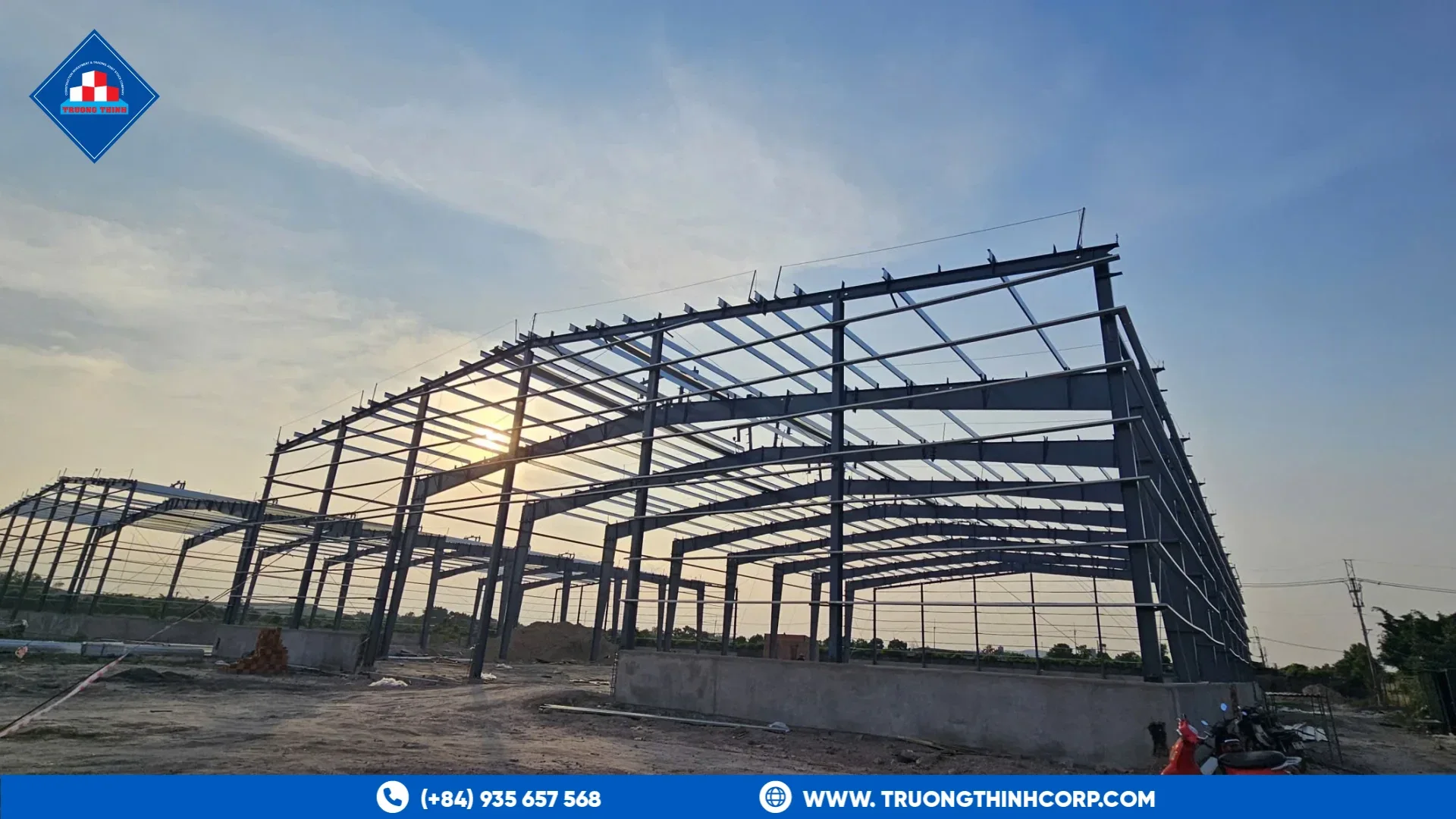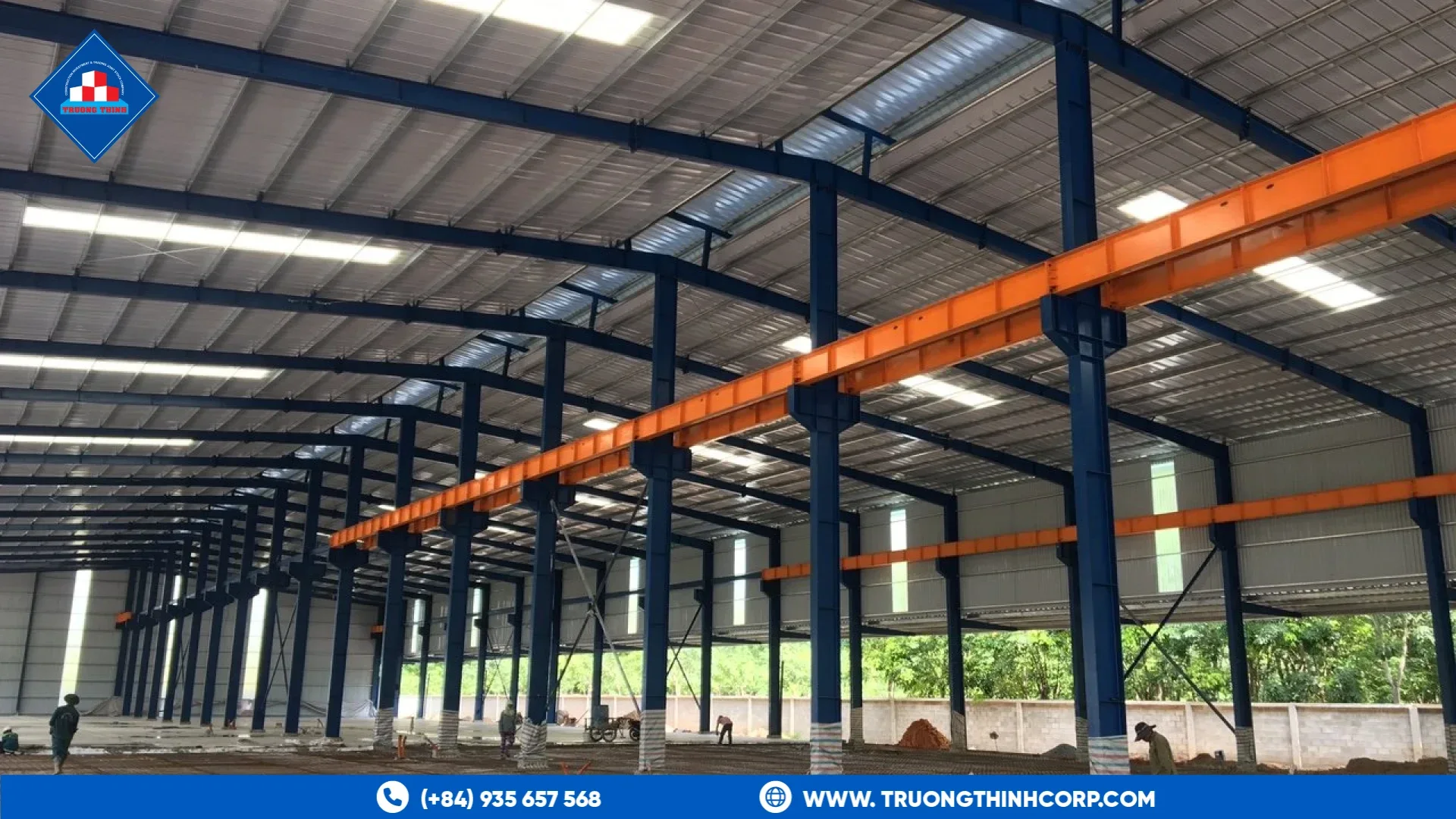


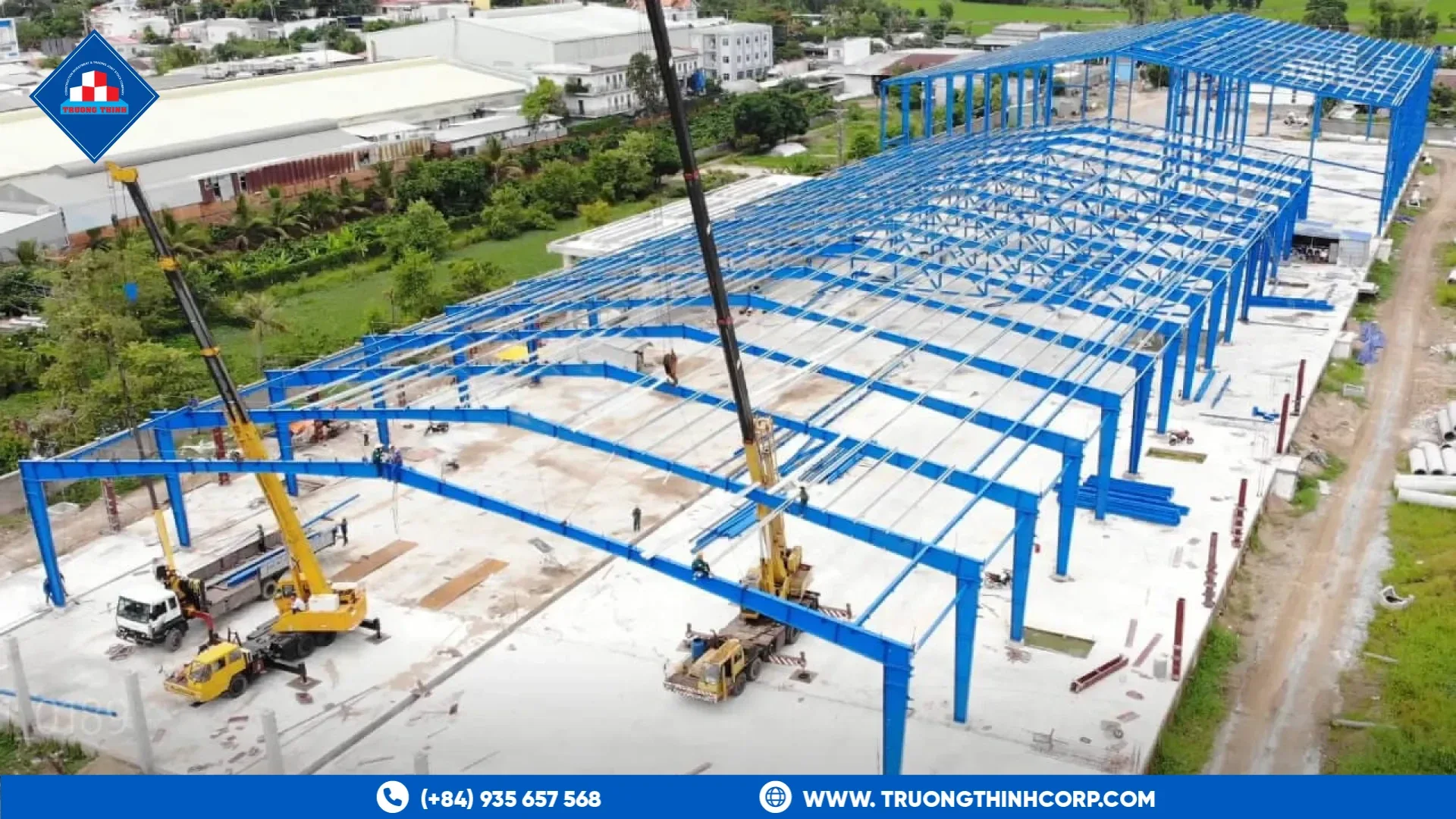
Relocating a steel building is possible because steel structures are bolted and made of repeatable parts. A factory or warehouse can be dismantled, moved and erected again at a new site. It can save material and time, but only if the frame is in good condition and the plan is careful. Not every building is worth moving, so the first step is an assessment.
Why relocate
An owner may need to move a plant, free up a site, expand elsewhere or reuse an asset. Moving the frame can cost less than a new one, and it keeps steel in use. The idea of giving a building a new use is described in this overview of adaptive reuse.
Step 1: Condition survey before relocating a steel building
An engineer inspects the frame for corrosion, damage, deformation and modifications. Missing drawings make the job harder, so collect all records. Check the coating, bolts, welds and connections. Members with serious damage may be replaced. Our guide to maintaining steel structures lists inspection points.
Step 2: Decide what to reuse
Frames, purlins and girts are often reusable. Cladding, sealants and fixings are often replaced. Welded parts may be cut at planned splices. Consider whether the old design fits the new site: loads, codes and layout may differ. Check wind, seismic and snow or rain loads at the new location, as covered in loads on a steel building.
Step 3: Plan the dismantling
- Mark every member with a unique mark and record it on a plan
- Photograph connections before taking them apart
- Remove cladding and services first
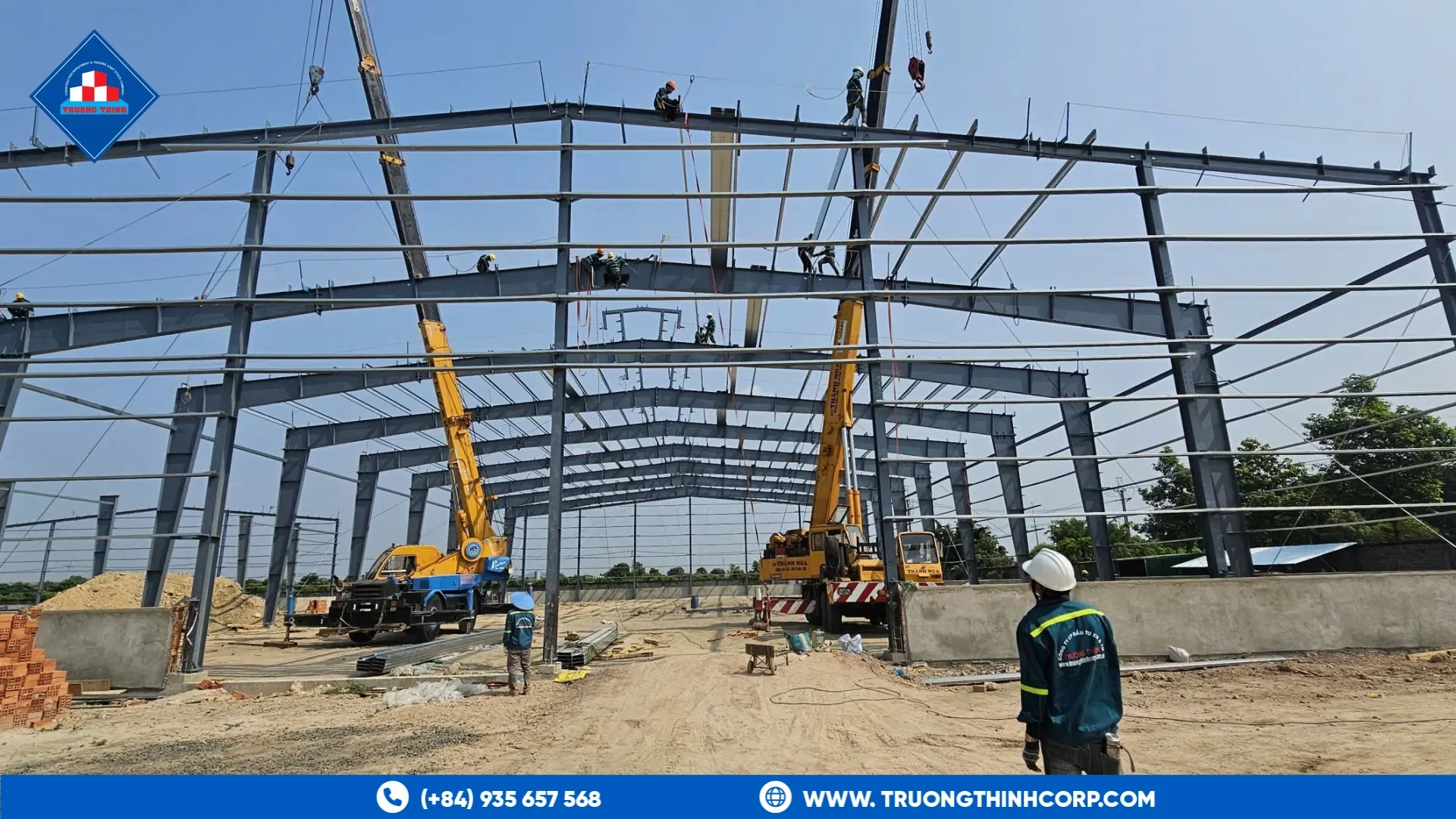
- Dismantle in reverse of the erection sequence, keeping the frame stable
- Use lifting plans and trained crews. See steel erection safety
- Sort and store members by mark
Good marking and records matter as much here as for new steel. Our guide to steel member marking and packing lists explains the method.
Step 4: Repair and redesign
Repair damaged members, replace worn bolts and restore the coating. See touch-up painting steel after erection. The engineer may need to redesign for new loads or new codes, and to add or strengthen members. New foundations are designed for the new site, as in foundations for steel structures.
Step 5: Transport
Members are packed, loaded and moved as for new steel. Plan routes and loads as in steel structure road transport. Keep the marks readable during transport.
Step 6: Re-erection and checks
Erect following a plan, check alignment and tolerances, tighten bolts as specified and complete the finish. Our guides to steel frame erection tolerances and to steel structure handover inspection show what to check.
Risks to manage
The main risks are hidden damage, missing records, loads at the new site that exceed the old design and delays from permits. Allow contingency for repairs and agree who owns each risk. Careful planning is what keeps relocating a steel building cheaper than starting again.
Cost and when it makes sense
Relocation tends to make sense for good frames of simple design, with records, that fit the new loads. It makes less sense for damaged or heavily modified buildings. Compare the total cost of dismantling, repair, transport and re-erection with the cost of a new frame. When you compare steel building manufacturers for a new building instead, our procurement guide lists what to include.
If you are considering moving or reusing a steel building, send the drawings or photos, and request a fabrication quotation from our engineering team.
Frequently Asked Questions
Can any steel building be moved?
Many can, but condition, records and design fit decide. An engineer should assess it first.
Is a relocated building cheaper than a new one?
Sometimes. The cost depends on condition, size, distance and the work needed to meet new loads. Compare both options.
Do I need new drawings?
Usually yes, at least for foundations and any changed members. Update the records for the new site.
Free quotation · Reply within 24 working hours
Request a quotation for relocating a steel building
Tell us about your steel structure project. Our engineering and sales team will reply with a tailored proposal, usually within 24 working hours.
Need an answer faster? Call our engineers directly.
Mon–Fri 8:00–17:30 · Sat 8:00–12:00 (GMT+7)