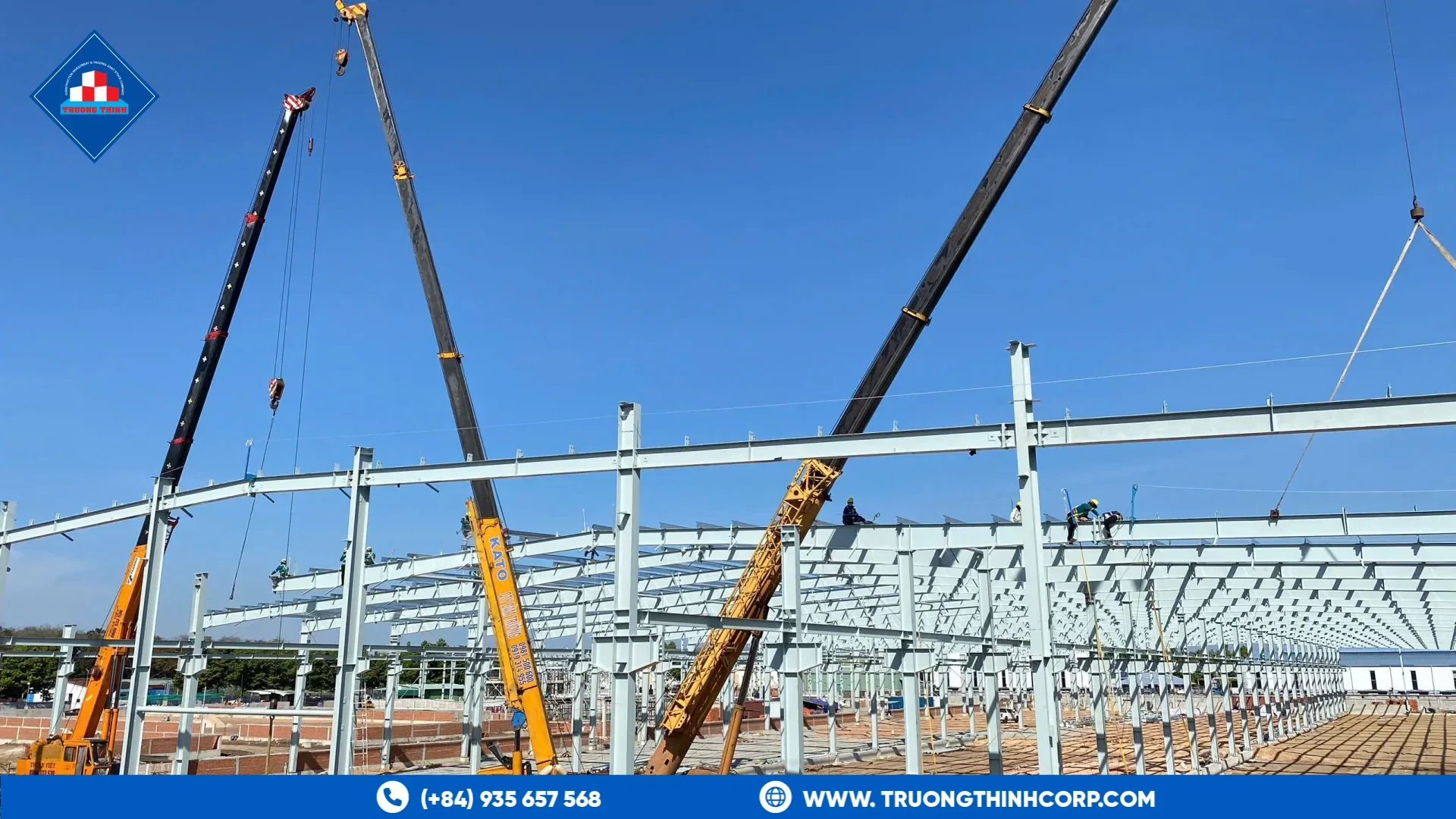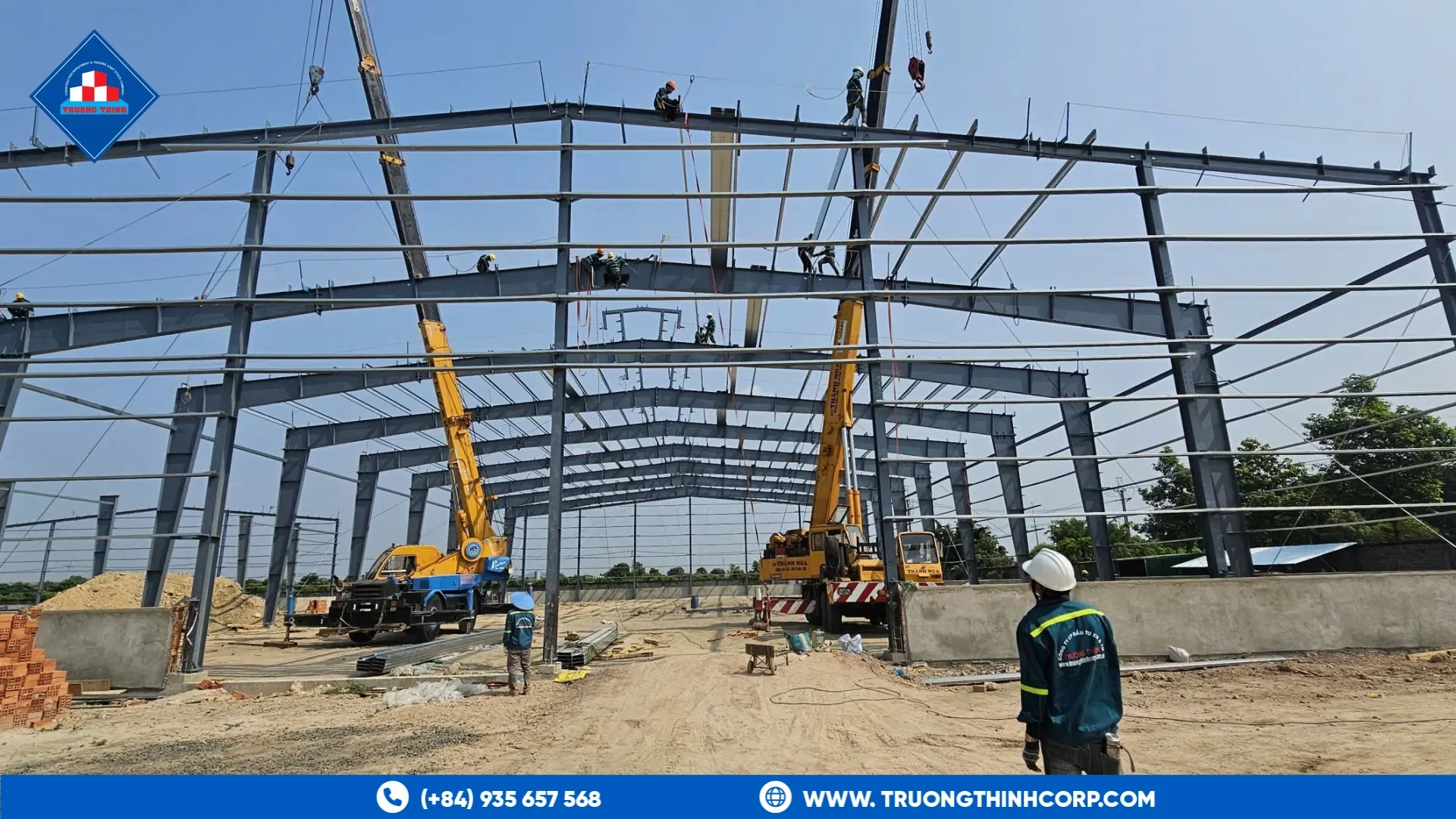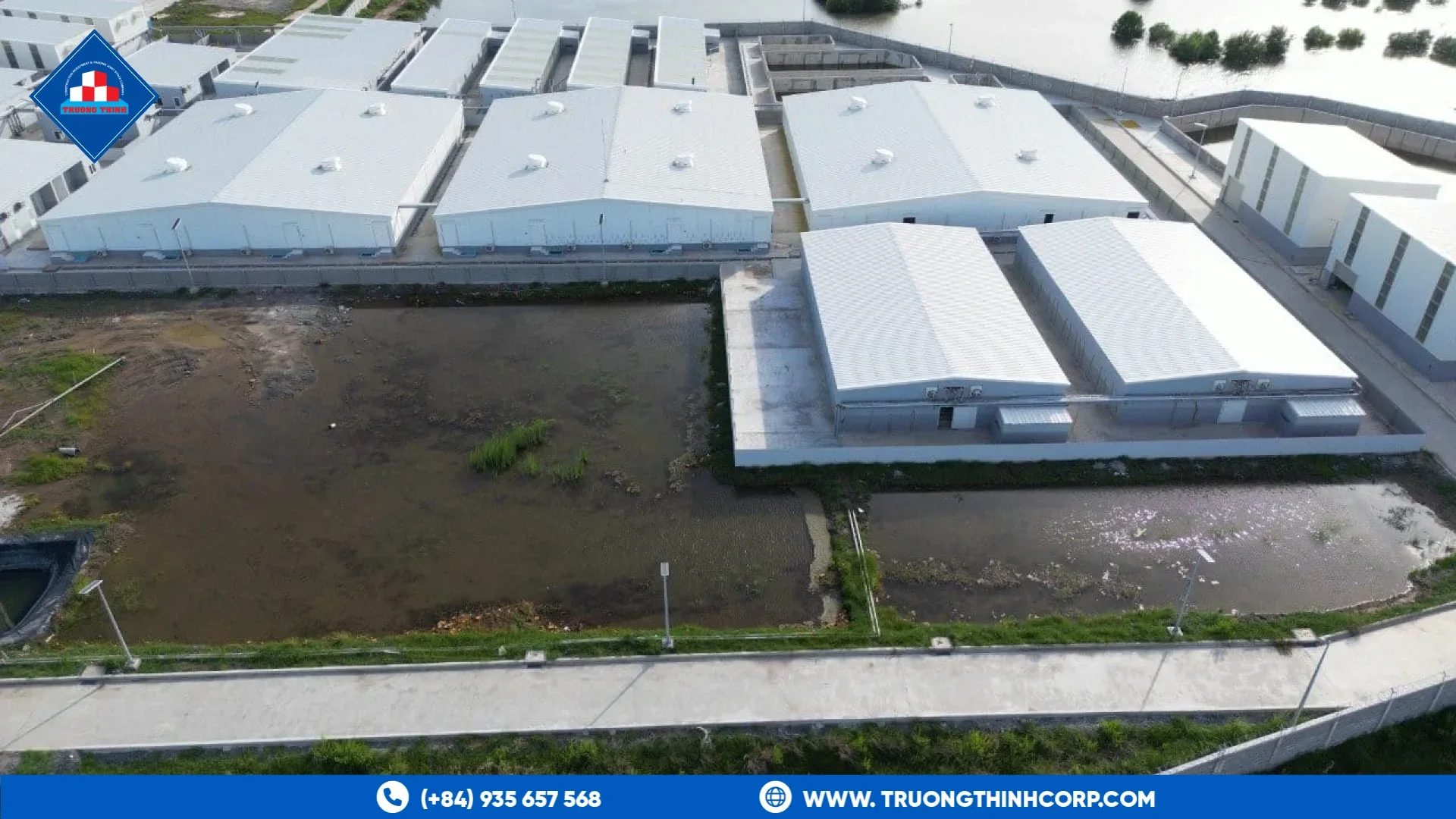


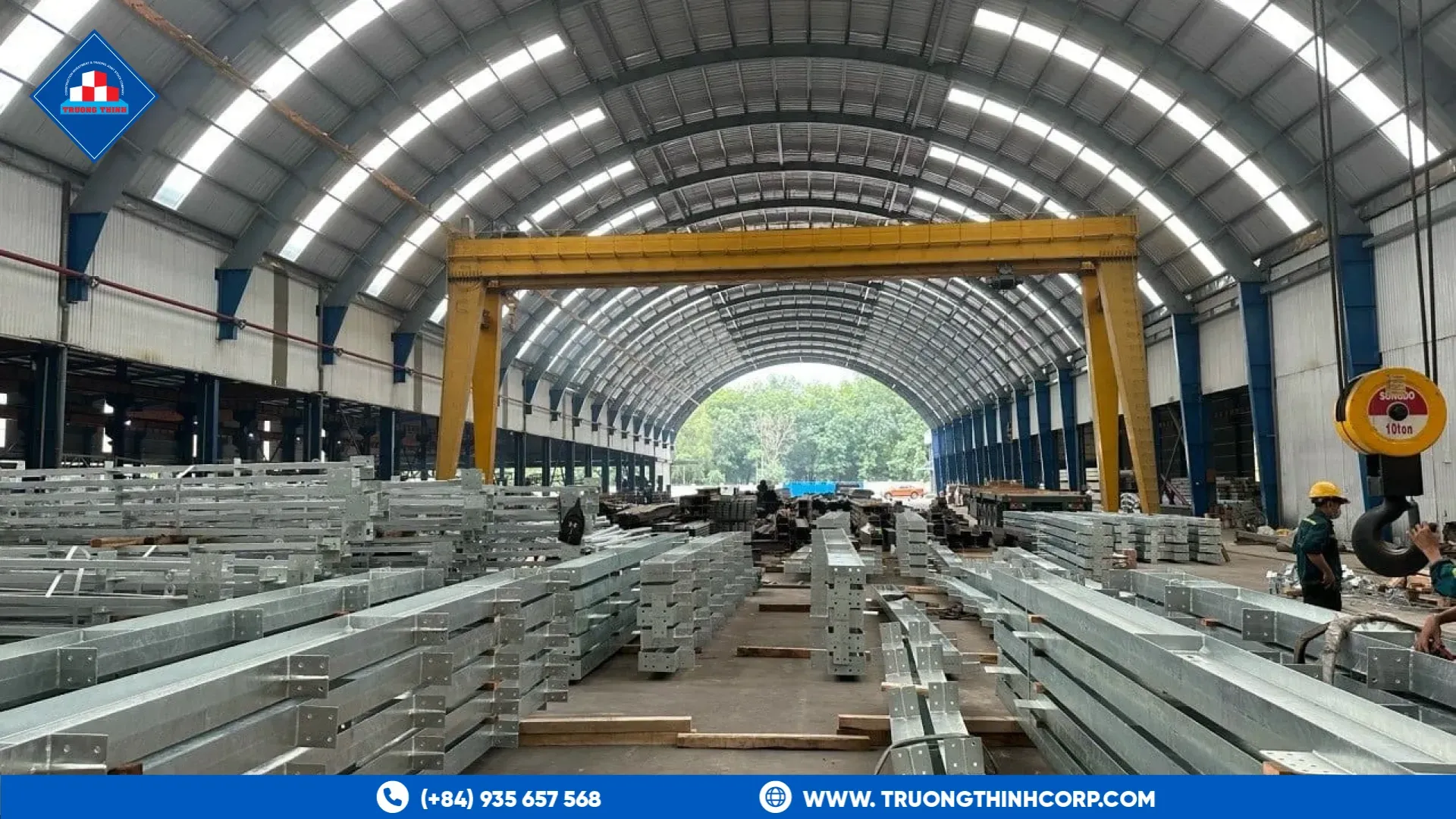
Steel structures in tropical climates face heavy rain, high humidity, strong winds and constant heat. These conditions speed up corrosion and load roofs and walls in ways that a dry climate does not. Good design handles each one: drainage for the rain, coating for the humidity, bracing for the wind and ventilation for the heat.
Steel structures in tropical climates: what the weather does
Steel rusts when water and oxygen reach it, and warm, humid air makes that quicker. Coastal air adds salt. A tropical climate, as outlined in this overview of what defines a tropical climate, usually has heavy seasonal rain and often storms. Each effect needs its own answer in the design.
Rain and drainage
Heavy rain needs roofs with enough fall, large gutters and downpipes, and clear overflow paths. Ponded water adds load and speeds corrosion. Detail the structure so water cannot sit in channels, pockets or lap joints. Our guide to steel canopies and car park shade structures shows why drainage falls matter on flat roofs.
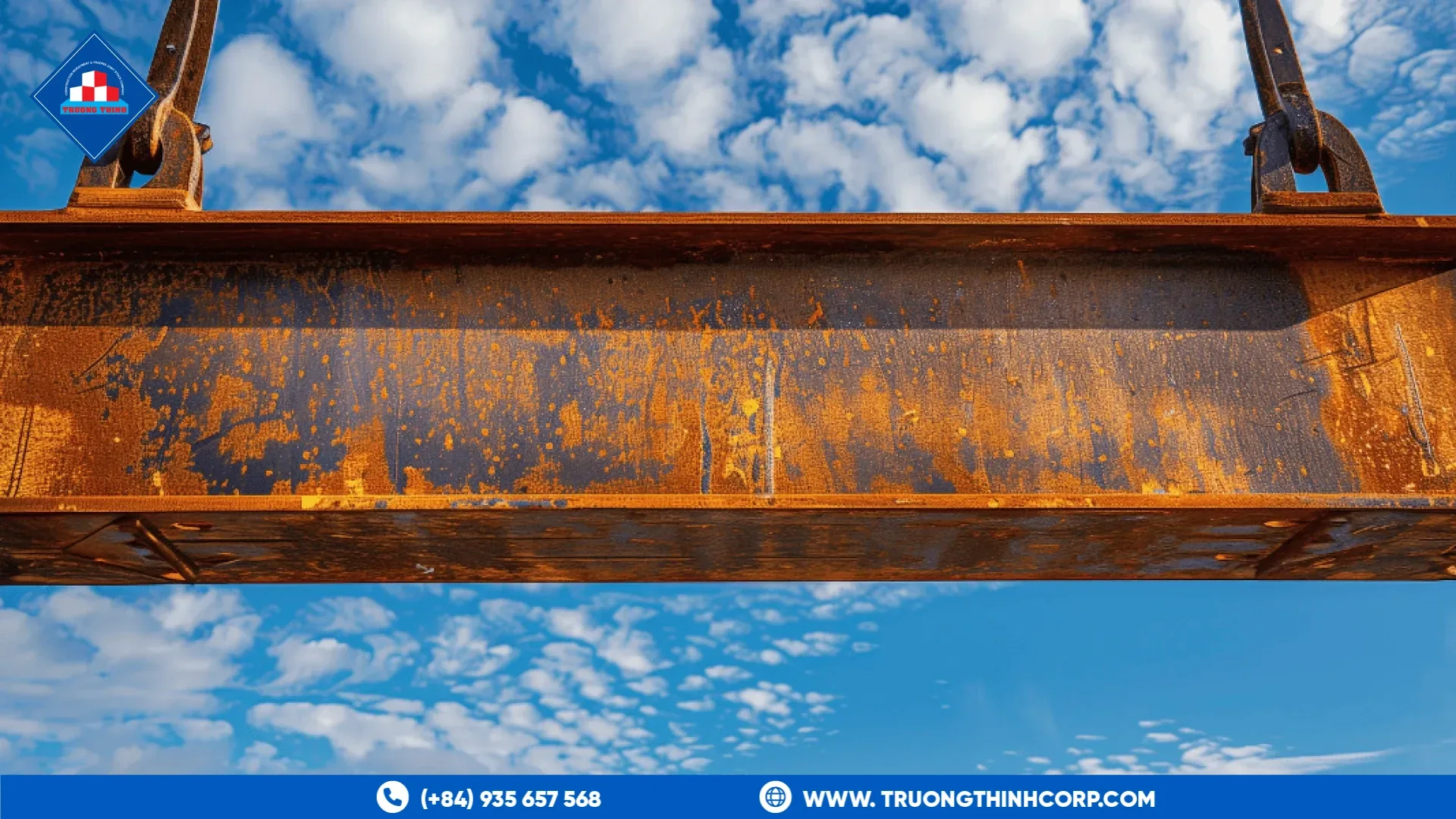
Humidity and coating
High humidity keeps steel damp for long periods. The coating system should match the exposure category, from surface preparation to the final coat. Hot-dip galvanizing and good paint systems both play a part. Our articles on Sa 2.5 blast cleaning and hot-dip galvanized steel structures explain the first steps, and corrosion-resistant steel structures covers harsh sites.
Wind and storms
Tropical regions can have strong winds and storms, so roofs, cladding and bracing need to be designed for the site wind speed. Check uplift on the roof edges and the fixings. Our guide to wind uplift and roof bracing explains where to look. Use the wind speed that the engineer takes from the loading standard for the site, not a general figure.
Heat and ventilation
A steel roof in the sun gets hot. Insulation, reflective finishes and roof ventilation reduce the heat inside the building. Our article on steel factory roof ventilation and daylight compares the options.
Fabricating and shipping for humid sites
For projects abroad, the steel must survive shipping and storage as well. Protect coated members for transport, keep them off wet ground and plan the erection soon after delivery. A fabricator that supplies projects across Southeast Asia, such as Truong Thinh, will usually ask for the site location and exposure so that the coating can be matched to it. As a steel structure fabricator in Vietnam, we work in a tropical climate ourselves, and our guide to structural steel export from Vietnam covers packaging and delivery.
Inspection in service
Tropical sites need more frequent inspection than dry ones. Look at coating condition, fixings, gutters and bolted joints after each rainy season, and repair small defects at once. A simple log with photos shows how fast the condition changes and when repainting is due. Steel structures in tropical climates last longest when this routine is followed.
Checklist for the design brief
- Site location, distance from the sea and exposure category
- Site wind speed and rain intensity
- Coating system and design life
- Drainage design for roofs and floors
- Inspection and maintenance plan
If your project is in a humid or coastal region, share the site location and the exposure, and discuss your structural design requirements with our engineering team.
Frequently Asked Questions
Does steel last in a tropical climate?
Yes, with the right protection. A well-specified coating and good drainage give long service, and regular inspection keeps it that way.
Is galvanizing enough in a coastal tropical site?
It depends on the exposure. Severe sites may need a duplex system, galvanizing plus paint. Confirm with the coating specification.
What is the biggest design mistake in humid regions?
Details that trap water. Even a good coating suffers if water sits on the steel.
Free quotation · Reply within 24 working hours
Request a quotation for steel structures in tropical climates
Tell us about your steel structure project. Our engineering and sales team will reply with a tailored proposal, usually within 24 working hours.
Need an answer faster? Call our engineers directly.
Mon–Fri 8:00–17:30 · Sat 8:00–12:00 (GMT+7)