

Steel vs precast concrete is a common choice for a new factory. Steel is lighter, spans further and is easier to change. Precast concrete is heavy, stiff and fire resistant by nature. Neither is better in every case, and the right choice depends on the span, the loads, the schedule and what the building will hold.
Steel vs precast concrete: the main differences
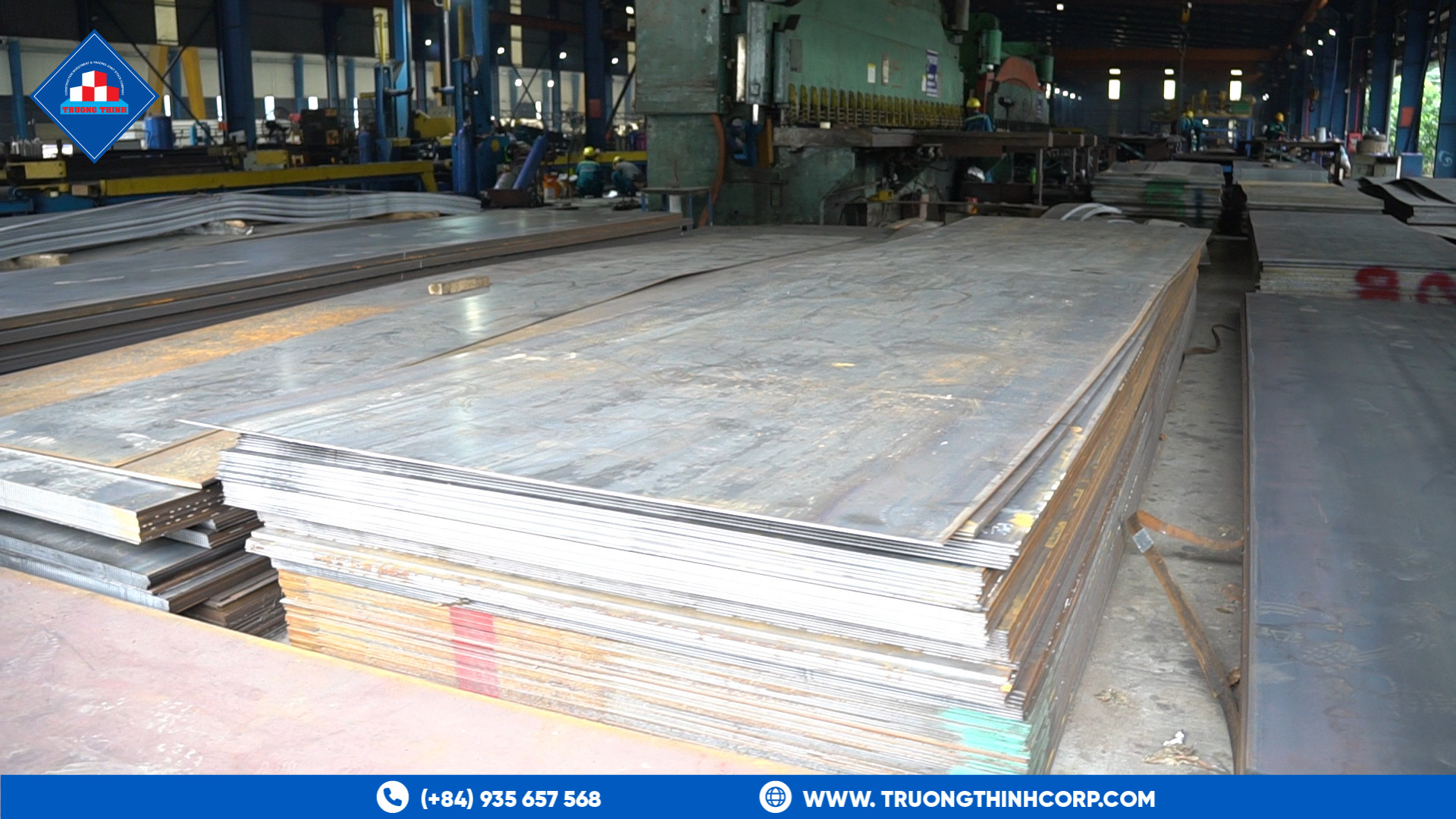
Precast concrete elements are made in a plant, trucked to site and lifted into place. The method is described in this overview of precast concrete. A steel frame is fabricated in a factory in the same way, then bolted together on site, usually with lighter lifting equipment because the members weigh less.
Speed and site work
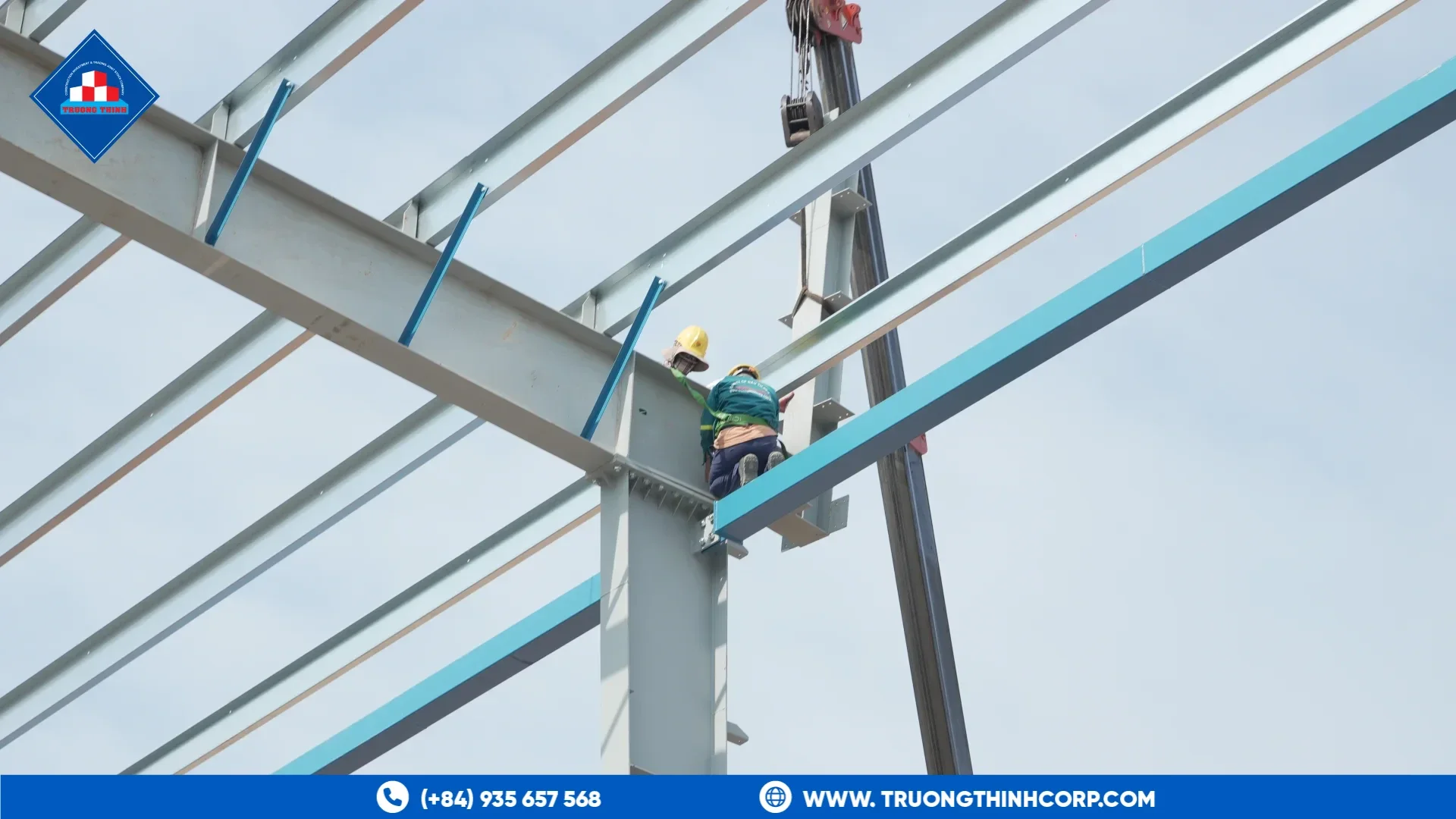
Both methods move work off site. Steel is usually lighter to transport and lift, and the connections are bolted, so erection is quick. Precast needs heavy cranes and grouted or cast connections that must cure. In either case the foundations come first and the schedule starts with design approval.
Spans and layout
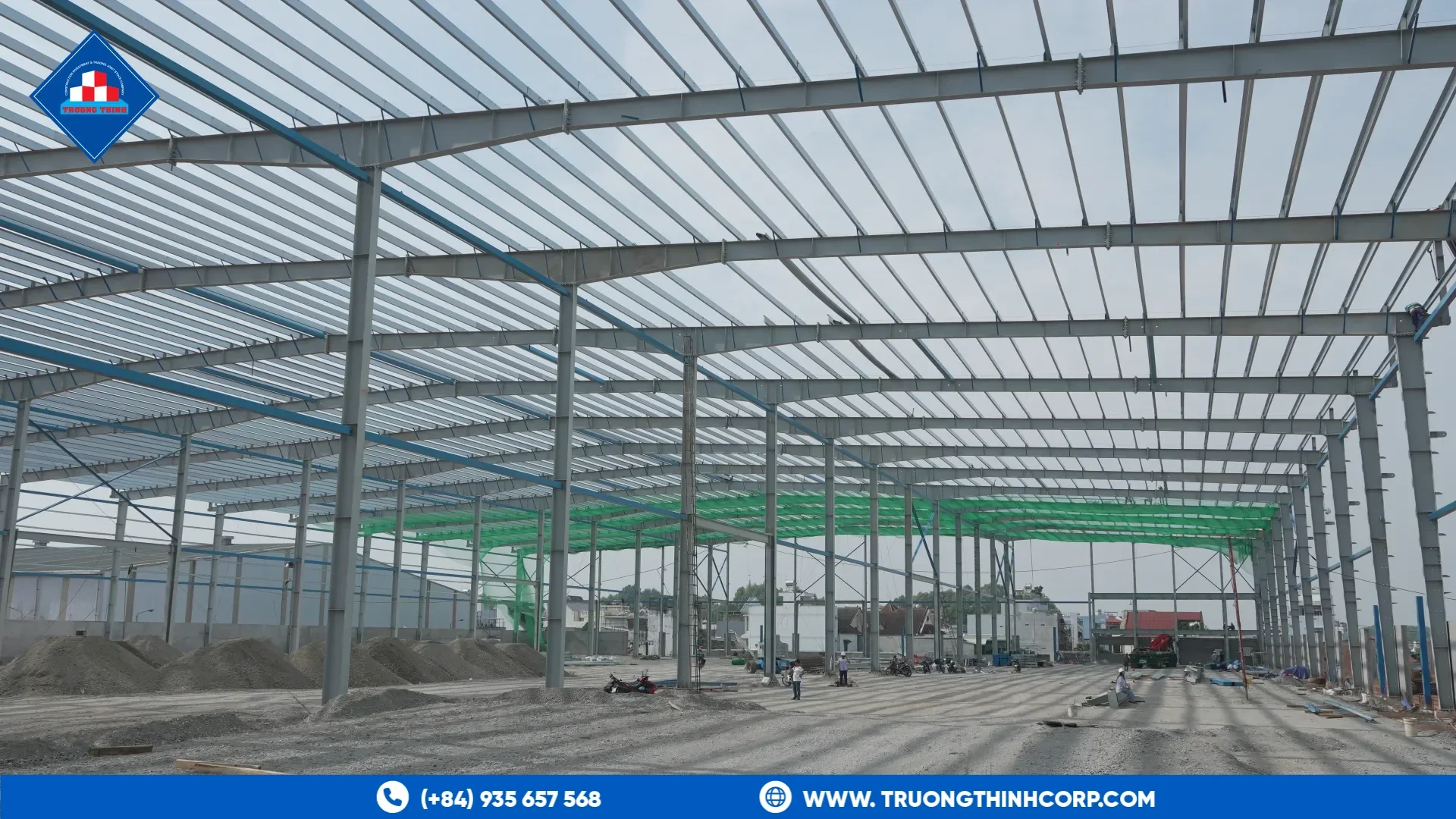
Steel can cover wide clear spans with lighter members, which helps where machines and forklifts need open floor space. Precast frames often use more columns or deeper beams over long spans. If the layout may change, steel is easier to modify.
Loads and heavy equipment
Concrete handles heavy floor loads and vibration well. Steel can also be designed for heavy loads, for example with crane runway beams, but the engineer must check the structure and the floor for each machine. Our guide to crane runway beams and crane loads shows what to give the designer.
Fire, durability and maintenance
Concrete does not need added fire protection in most cases. Steel may need it depending on the building code and the use, as explained in our article on fire protection for steel structures. Steel also needs a coating that suits the environment, and periodic inspection. Our guide to maintaining steel structures lists the checks.
When each material is the better fit
Steel tends to fit when the span is wide, the layout may change, the site has weak ground or the schedule is tight. Precast tends to fit when the floor loads are very heavy, the building needs high fire resistance without added protection, or the local supply chain for precast is strong. Many projects find a mixed solution best, and an early design workshop with both suppliers saves time.
Future extension
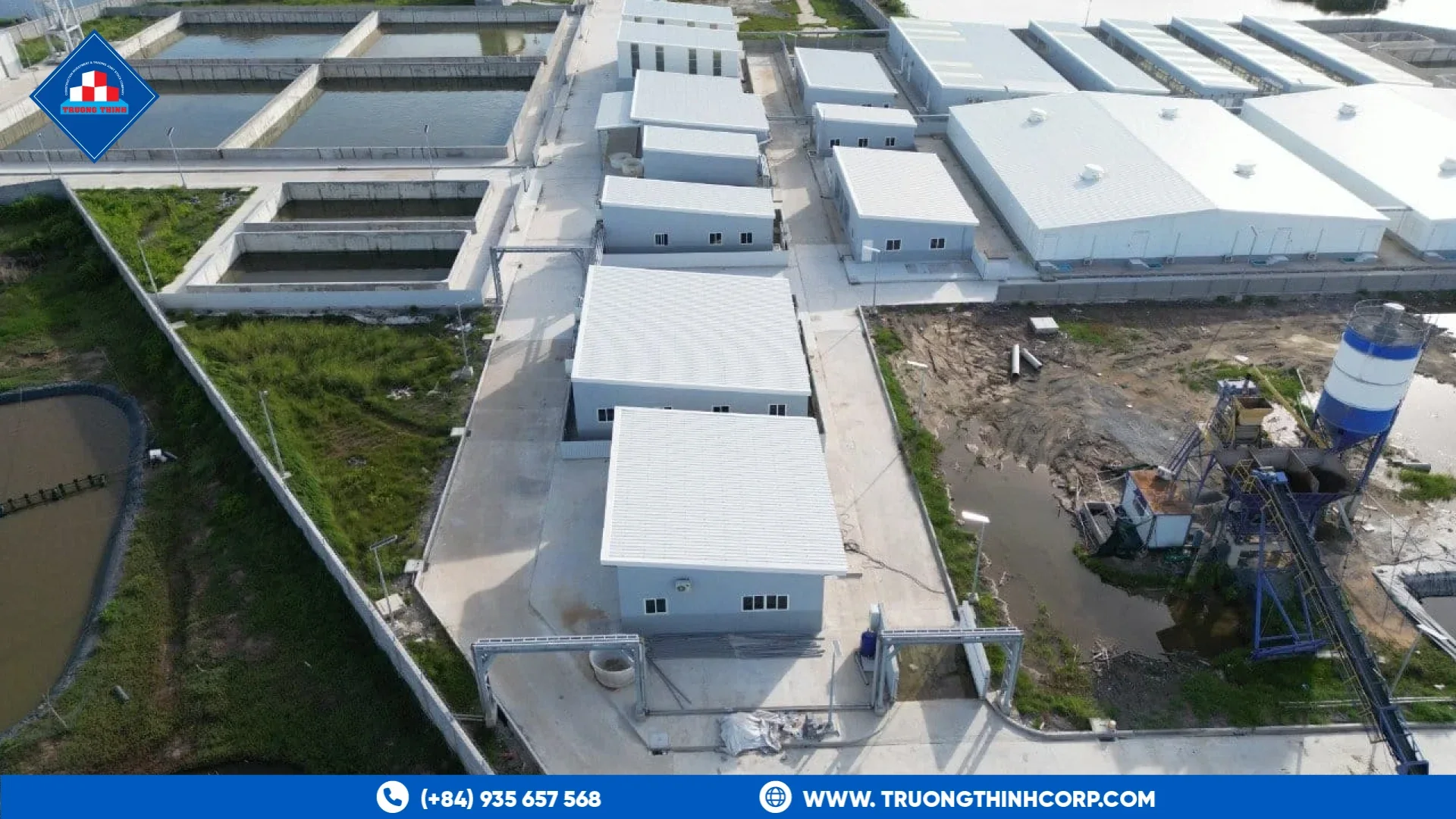
Factories grow. A steel frame can be extended by adding bays, if the first phase is designed for it, as our guide to planning a steel building for future expansion explains. Precast can be extended too, but connections to existing elements are more fixed.
How to compare quotations
Ask each of the steel building manufacturers and precast suppliers you invite to price the same scope: foundations, frame, roof and walls, erection and finishing. Compare the schedule and the risks, not only the price. Our procurement guide for factories and warehouses lists the questions to ask.
If you are choosing a structure for a factory, send the layout, the loads and the schedule, and request a fabrication quotation from our engineering team.
Frequently Asked Questions
Is steel cheaper than precast concrete?
It depends on span, location, schedule and the supplier market. Compare the total installed cost for the same scope.
Can a factory combine both materials?
Yes. Many factories use a concrete floor and foundations with a steel frame and cladding. Some use concrete walls with a steel roof.
Which is better for a food or pharmaceutical plant?
Either can work if the finishes are suitable for hygiene. The choice depends on the layout, the services and the schedule.
Free quotation · Reply within 24 working hours
Request a quotation for steel vs precast concrete
Building a factory, warehouse or production plant? Send your drawings or building requirements and our engineering team will return a fabrication quotation with tonnage, lead time and delivery options.
Need an answer faster? Call our engineers directly.
Mon–Fri 8:00–17:30 · Sat 8:00–12:00 (GMT+7)