

The fabrication process is where a steel structure project either holds its tolerances or starts accumulating the small errors that turn into expensive field rework. Truong Thinh Corp is a steel structure fabrication company based in Ho Chi Minh City, Vietnam, running a 25,000 m² plant that takes raw steel from cutting through coating for export-ready delivery. This guide walks through exactly how a steel structure fabricator in Vietnam should run that process, and what to check before committing tonnage to one.
10 Criteria for Evaluating Steel Structure Fabrication Companies
Searching for a “steel structure fabrication company” usually means one thing: you need to know which supplier can actually be trusted with your tonnage, not which one has the best-looking website. The ten checks below are what a buyer should work through before shortlisting a fabricator — including how Truong Thinh answers each one.
1. Legal capacity and evidence of similar projects
Confirm business registration and, where the scope includes site work, contractor licensing for the destination country. Then ask for named comparable projects, not stock photography — a fabricator with a real track record can point to specific buildings. Truong Thinh’s fabrication history includes the steel structure for a Co.op Mart commercial center building, the Nutreco Ha Tinh animal-feed production plant, the Royal House ceramic tile manufacturing factory, the Duy Hung Logistics warehouse, and a trade center building supplied to Phnom Penh, Cambodia.
2. Contract review and scope clarification process
Get clear, in writing, whether the quote is fabrication-only or includes design, transport, and site erection, and what happens to pricing if drawings change after contract signature. See our guide on what should be included in an accurate steel structure quotation for the line items a proper RFQ response should cover. Truong Thinh works both models — direct fabrication for buyers managing their own erection, and full contractor scope under one contract.
3. Technical capabilities & drawing control
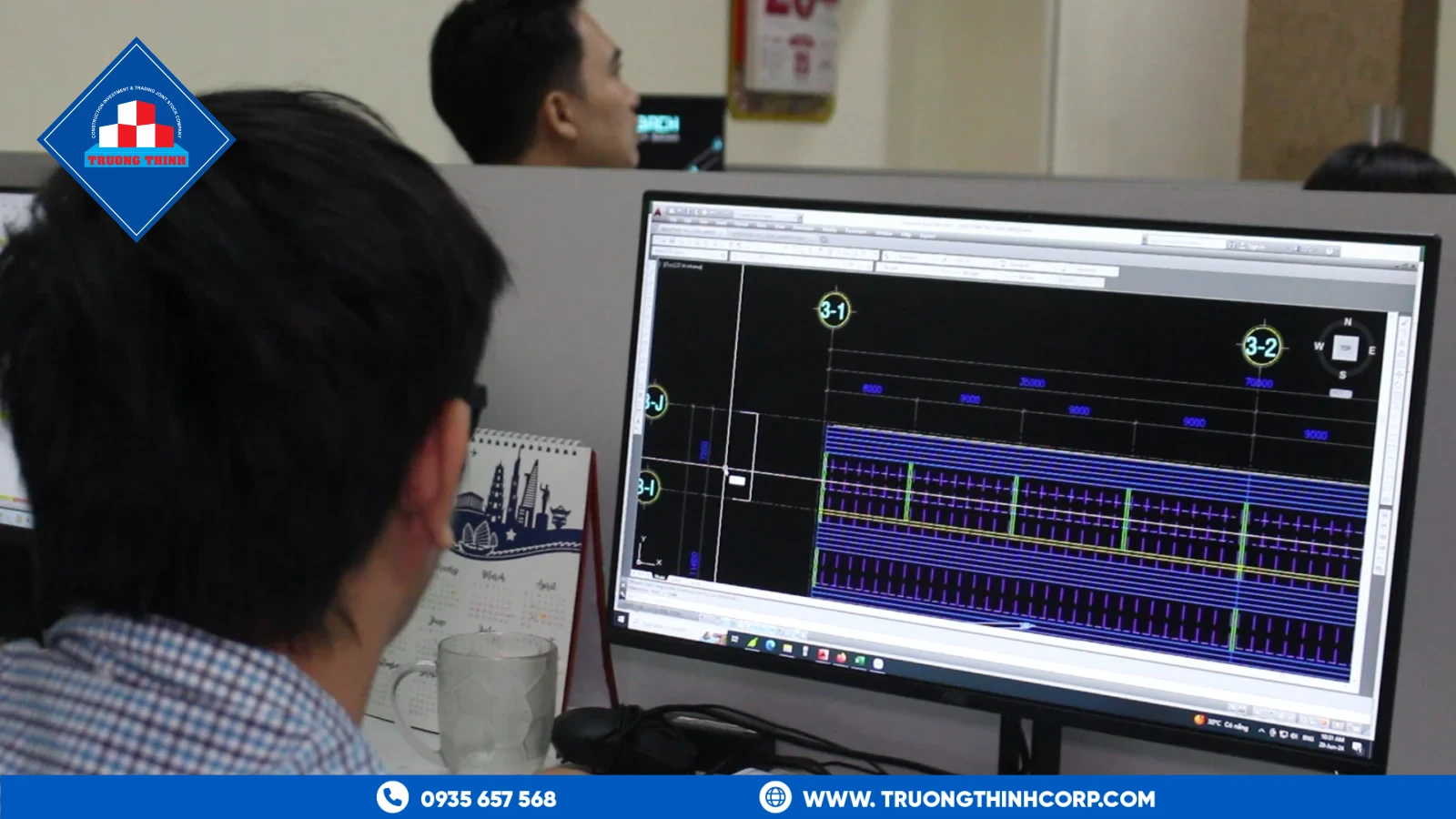
Ask whether shop drawings are detailed in-house or outsourced — a fabricator running its own Tekla-based detailing against SAP2000 structural analysis can usually turn around a drawing correction in a day rather than a week, because the same team modeling the structure is cutting it. On any shop drawing you’re asked to approve, check three things specifically: that piece marks are unique and match the erection drawing numbering, that bolt-hole diameters and edge distances match the connection design rather than a generic standard, and that beam camber values match what the structural engineer specified for the span rather than a default camber table.
4. Material control & traceability
Before placing an order, ask for the steel grade being used for primary framing (typically Q235/Q345 equivalents or ASTM A36/A572, depending on the design code the project follows), the mill test certificate for each heat number, and confirmation of which structural design code governed the analysis — Vietnamese TCVN, or an international code such as AISC or Eurocode, since load factors and connection design differ between them. Mill certificates should be issued and retained against each production lot as a documented traceability requirement, not produced only when a buyer asks.
5. Welding Quality Management (WPS/PQR/WPQ, ISO 3834/AWS D1.1)
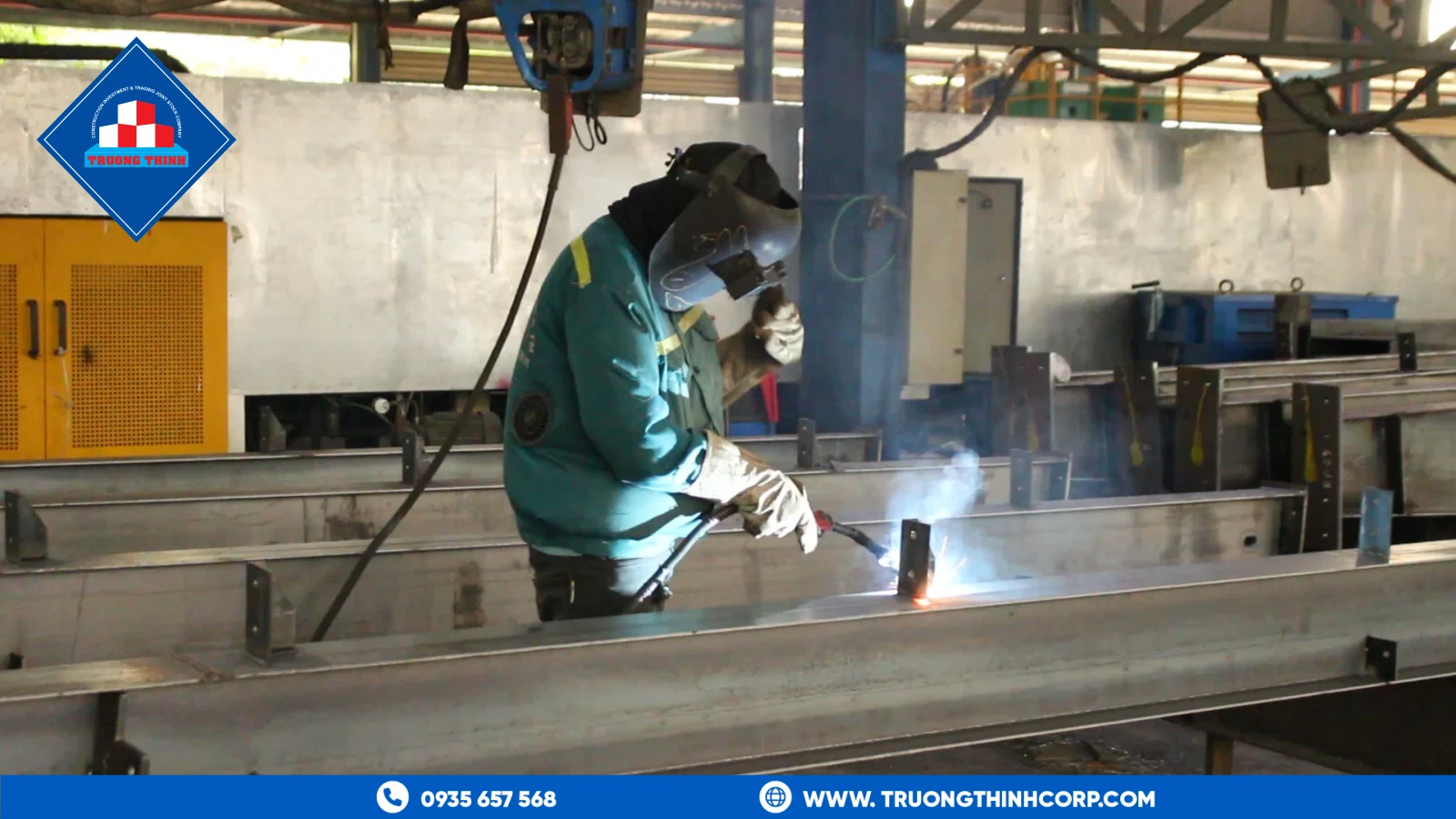
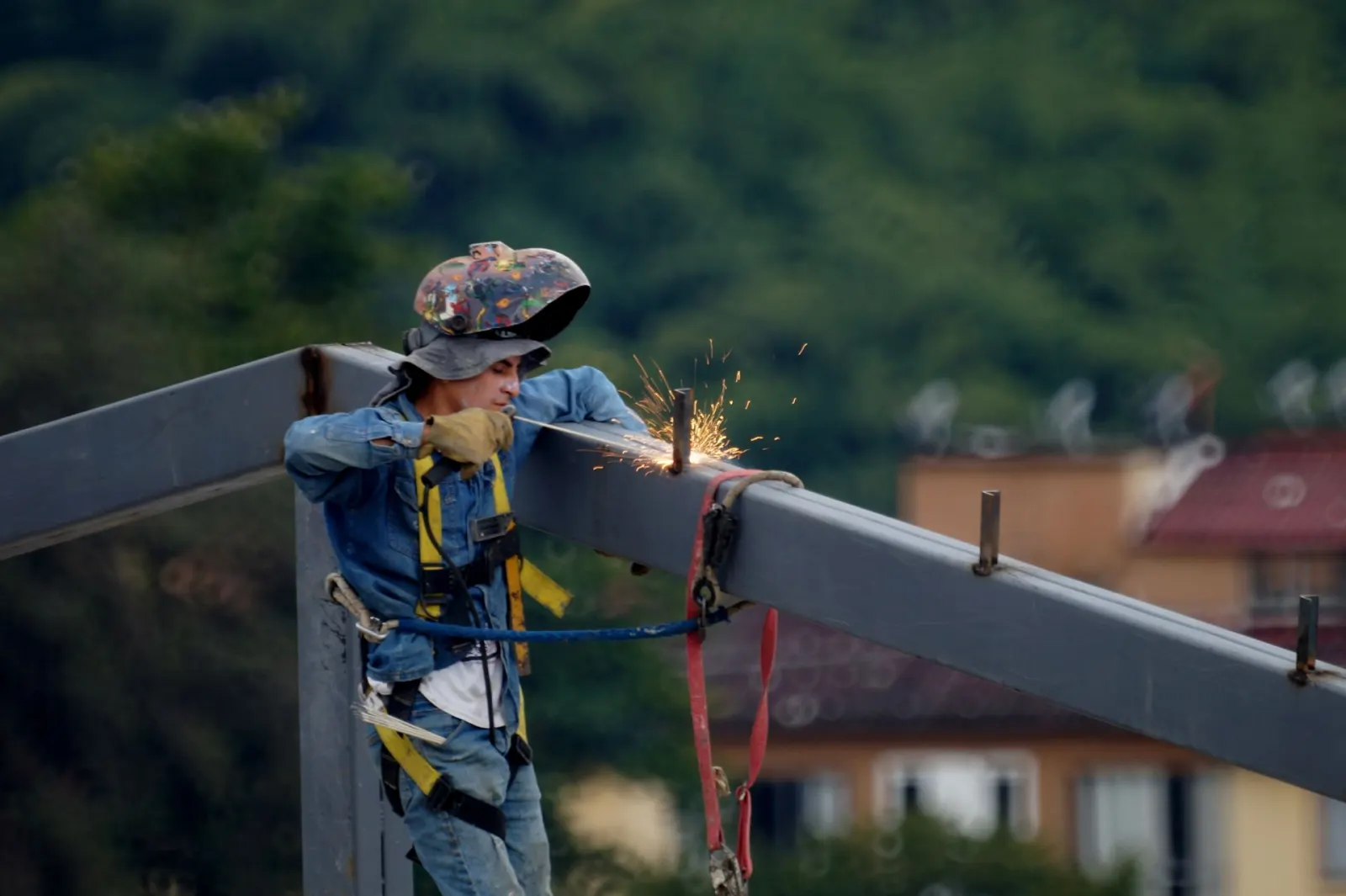
A fabricator should be able to produce Welding Procedure Specifications (WPS), Procedure Qualification Records (PQR), and individual Welder Qualification (WPQ) records on request, and should be able to describe whether its welding quality management is organized against a recognized framework such as ISO 3834 or AWS D1.1. At minimum, welders should be qualified to a recognized welding-qualification scheme, confirmed against the specific code your project is designed to — a vague “we follow international standards” answer without naming the scheme is a signal to ask more questions.
6. Dimensional control and trial assembly
Welding heat introduces camber, sweep, and twist that need correcting before a piece is fit for site — ask whether the fabricator runs a dedicated beam-straightening step, since this is a stage that lower-cost shops frequently skip and that shows up later as field-fit problems during erection. For complex node connections or large trusses, ask whether trial or shop assembly is offered before dispatch to catch fit-up issues while they are still cheap to fix.
7. Surface treatment & coating/plating systems (ISO 12944, ISO 1461)
Confirm the surface-preparation standard before primer and finish coating — Sa 2.5 abrasive blast cleaning is the baseline most international specifications require for reliable coating adhesion. Ask the fabricator to specify the coating system against the corrosion category your project needs under a framework such as ISO 12944, and whether hot-dip galvanizing to ISO 1461 is available for components that need a higher level of corrosion protection than a paint system alone.
8. Marking, packing, and container loading
Fabrication quality can still be undermined by poor packing discipline. Pieces should carry paint-stencil or tag references that match the erection drawing, be bundled by erection sequence rather than convenient truck-loading order, and have connection faces — bolt holes, weld preps — protected from transport damage. On export shipments, a missing or mislabeled piece can mean weeks of delay waiting for a replacement to clear customs, so packing discipline is as much a quality indicator as the weld itself.
9. Change management & error handling
No fabricator gets every piece right on the first pass — the real question is whether there’s a documented process for catching and correcting a drawing revision or a fit-up error before it reaches site. Ask how the fabricator’s QC team logs and closes out a non-conformance, and how quickly a correction can be turned around when the same team owns both the detailing and the cutting.
10. Production Capacity & Schedule Commitment
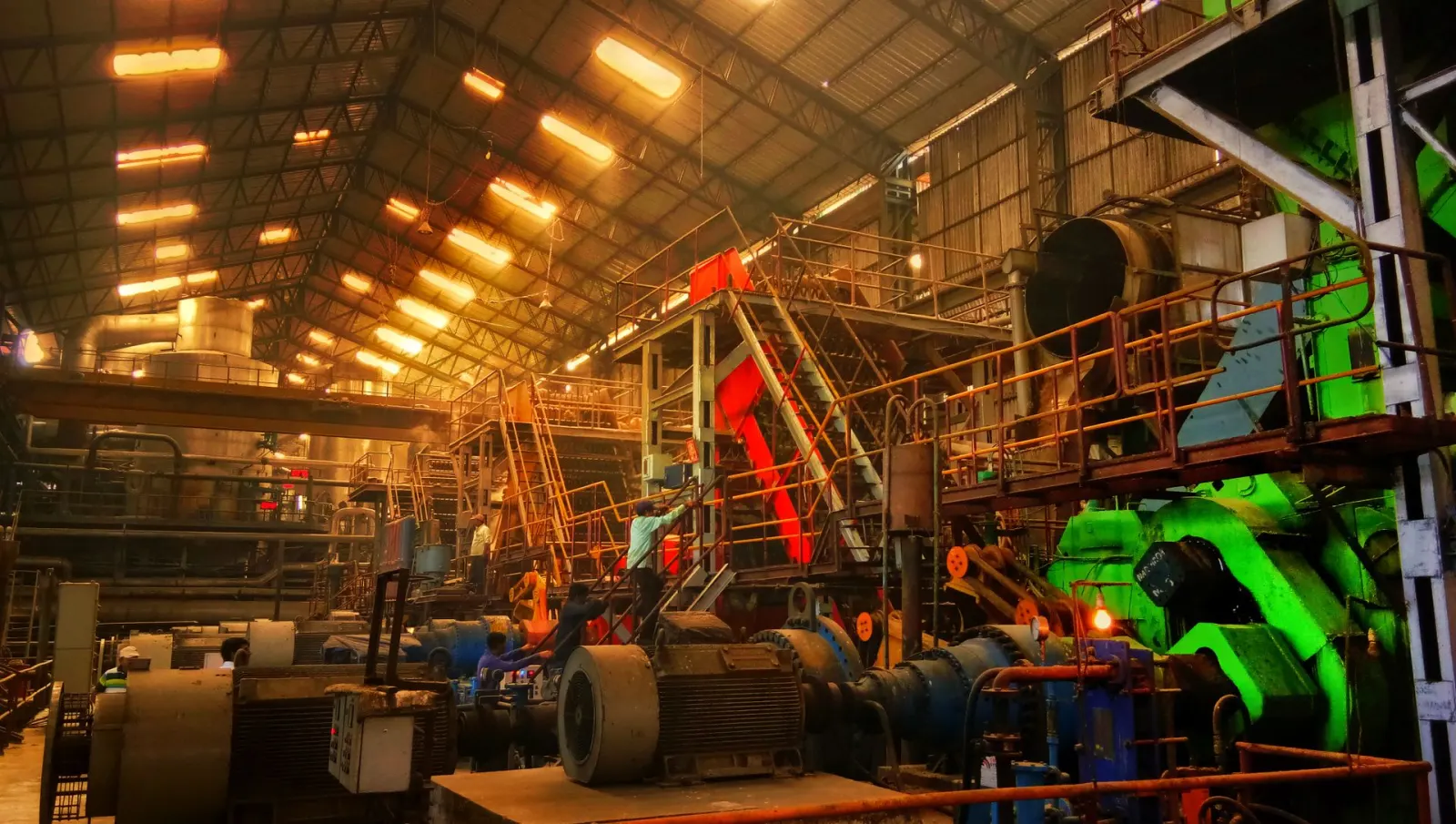
A monthly capacity figure only tells you what a plant can produce at full utilization — it does not tell you your delivery date, which depends on current backlog and how quickly shop drawings get approved. Ask for the plant’s current order book and how many tons are already committed for the months your project would occupy; a fabricator confident in its schedule will share this. Truong Thinh’s plant is rated for 1,200–1,500 tons of fabricated steel per month depending on product mix, across a 15,000 m² covered workshop, and finished pieces are staged in a separate 10,000 m² yard rather than left exposed indefinitely awaiting a container slot — buyers on tight schedules should ask for a committed dispatch window as part of the contract, not just a fabrication-complete date.
Quality Control (QC) Process by Processing Stage
Beyond the criteria above, it helps to know what QC actually looks like at each stage of the fabrication line, so you know what to ask a fabricator to show you.
Preparing Documentation and Receiving Materials
Incoming steel plate and sections are checked against the mill test certificate for the corresponding heat number before release to production, and approved shop drawings are issued to the cutting floor only after piece marks and connection details have been checked against the erection drawing set.
Cutting, Fit-up & Welding (Key stage)
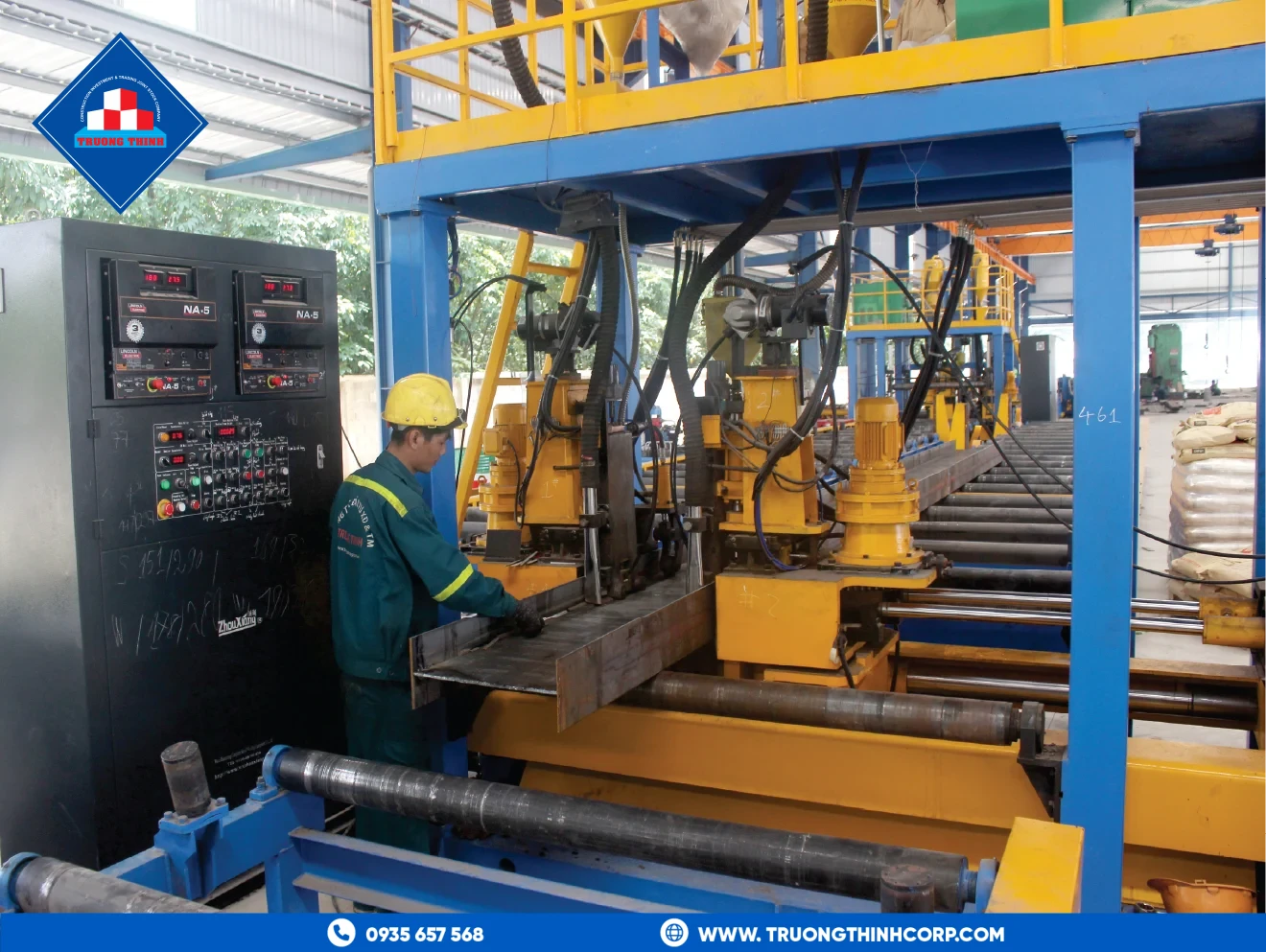
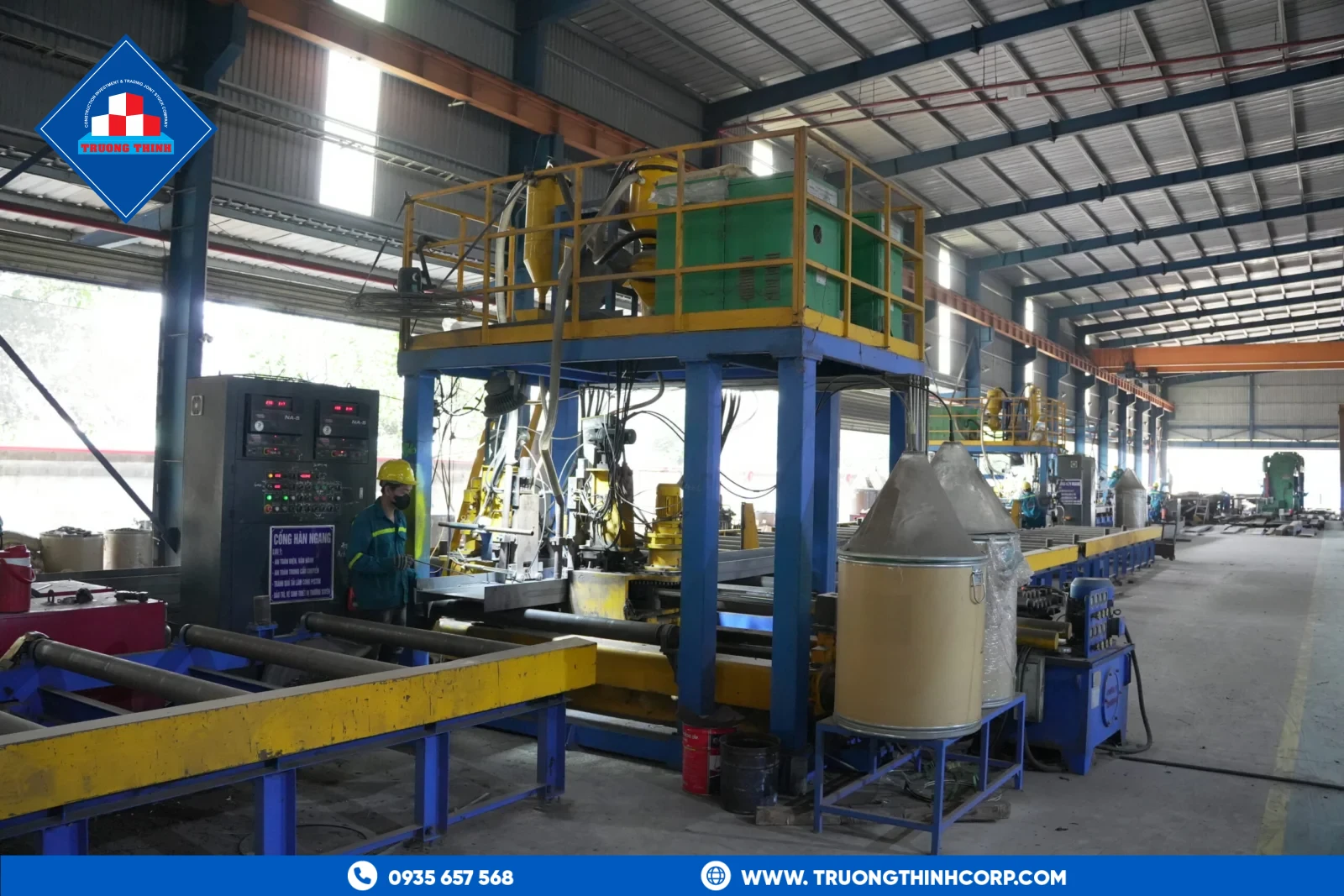
Plate and structural sections are cut on CNC plasma and laser cutting equipment, which holds tighter dimensional tolerance than manual oxy-fuel cutting and produces cleaner edges for welding. Repetitive built-up sections — box columns, plate girders — run on automatic and horizontal welding lines, with welders qualified to a recognized welding-qualification scheme, confirmed against the project’s applicable code, handling the manual and semi-automatic joints that fall outside the automated lines.
Dimensional Inspection & Protective Coating
A dedicated beam-straightening machine corrects camber, sweep, and twist introduced by welding heat before dimensional inspection, then Sa 2.5 abrasive sandblasting removes mill scale and rust ahead of primer and finish coating — the surface-prep standard most international specifications require for reliable coating adhesion and corrosion life.
Packaging & Handover
Finished pieces are dimensionally checked and coating-thickness tested under the plant’s ISO 9001:2015 quality management system before being moved by overhead crane to the yard for export crating, marking, and handover for domestic delivery or container loading.
Key Projects and Execution Capabilities (Case Study)
A trade center building supplied to Phnom Penh, Cambodia illustrates the export-fabrication workflow end to end: structural detailing in Tekla Structures, fabrication and coating in the Ho Chi Minh City plant, export documentation and crating, and freight coordination to the destination site, the same process Truong Thinh is extending as it expands export shipments to nearby Southeast Asian markets including Thailand and the Philippines. Combined with the commercial, agro-industrial, manufacturing, and logistics projects noted under criterion 1, it reflects a fabricator that has run the same disciplined process across genuinely different structural types rather than one repeatable template.
Different structural elements still demand different fabrication discipline within that process: columns need tight base-plate flatness for anchor-bolt fit-up; beams need controlled camber; trusses need accurate node geometry for gusset-plate connections; purlins need consistent roll-forming for cladding fastener alignment. See the dedicated pages for steel column fabrication, steel beam fabrication, steel truss fabrication, and the steel structure components technical guide for how these pieces fit together as a system.
Frequently Asked Questions
What is the difference between a steel structure fabricator and a steel structure manufacturer?
In practice the terms overlap; both describe the party that physically cuts, welds, and finishes structural steel. See our broader overview of steel structure manufacturing and supply for how fabrication fits into the wider project relationship, including contractor scope.
How do I verify a Vietnamese fabricator actually owns its equipment?
Request an ISO 9001:2015 certificate with a verifiable certifying body, ask for a live video walkthrough of the cutting and welding lines, and request a sample shop-drawing package to confirm in-house Tekla Structures detailing capability.
What welding qualification standard does Truong Thinh use?
Welders are qualified to a recognized welding-qualification scheme, confirmed against the project’s applicable code.
Can the fabricator handle both plate girders and rolled/built-up beam sections?
Yes — automatic and horizontal welding lines handle repetitive built-up sections, with manual welding for connection details and non-standard geometry.
Does Truong Thinh export fabricated steel outside Vietnam?
Yes, primarily within Southeast Asia, and Truong Thinh is expanding its export reach to nearby markets including Thailand and the Philippines, coordinated through the export logistics service.