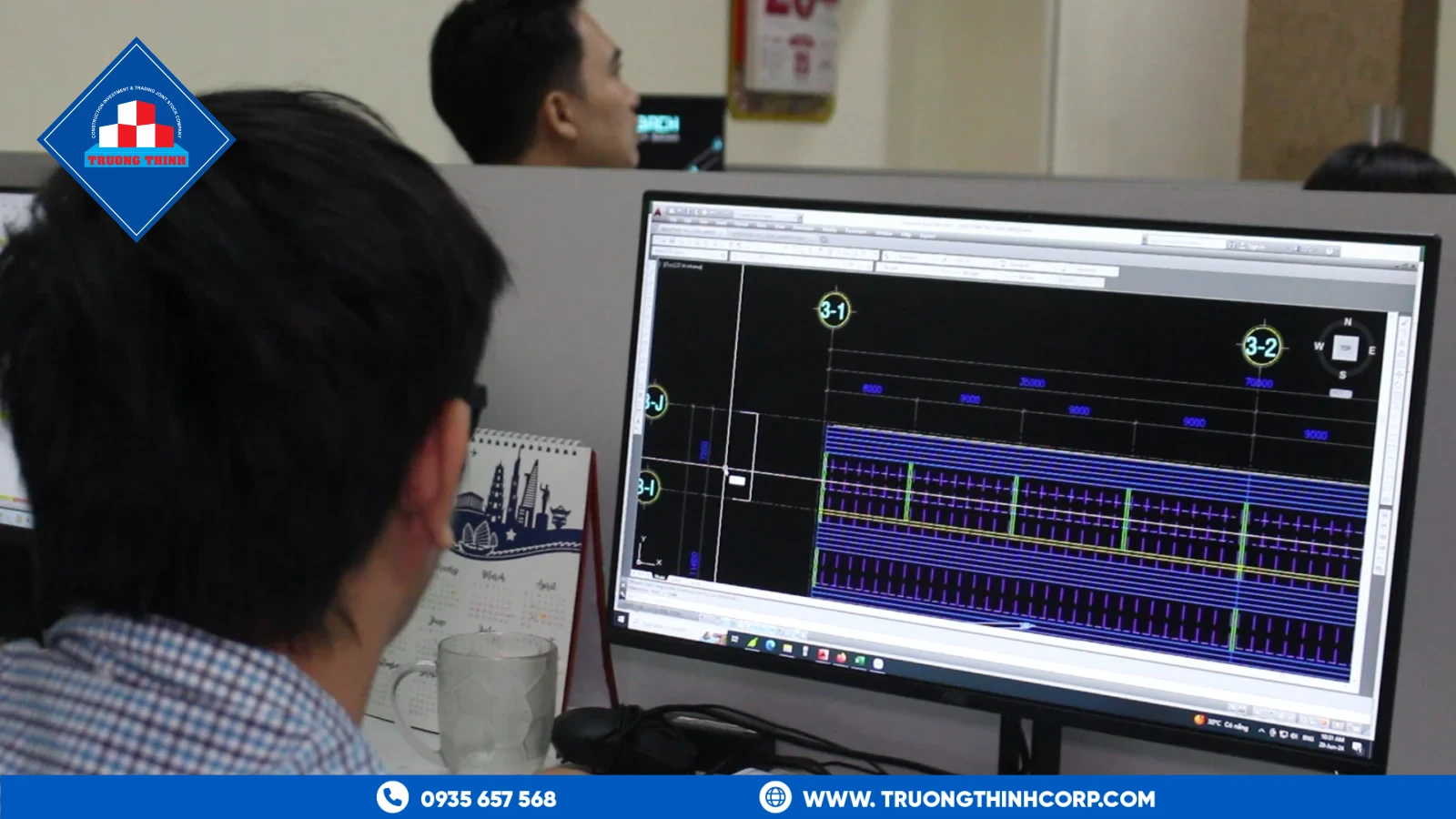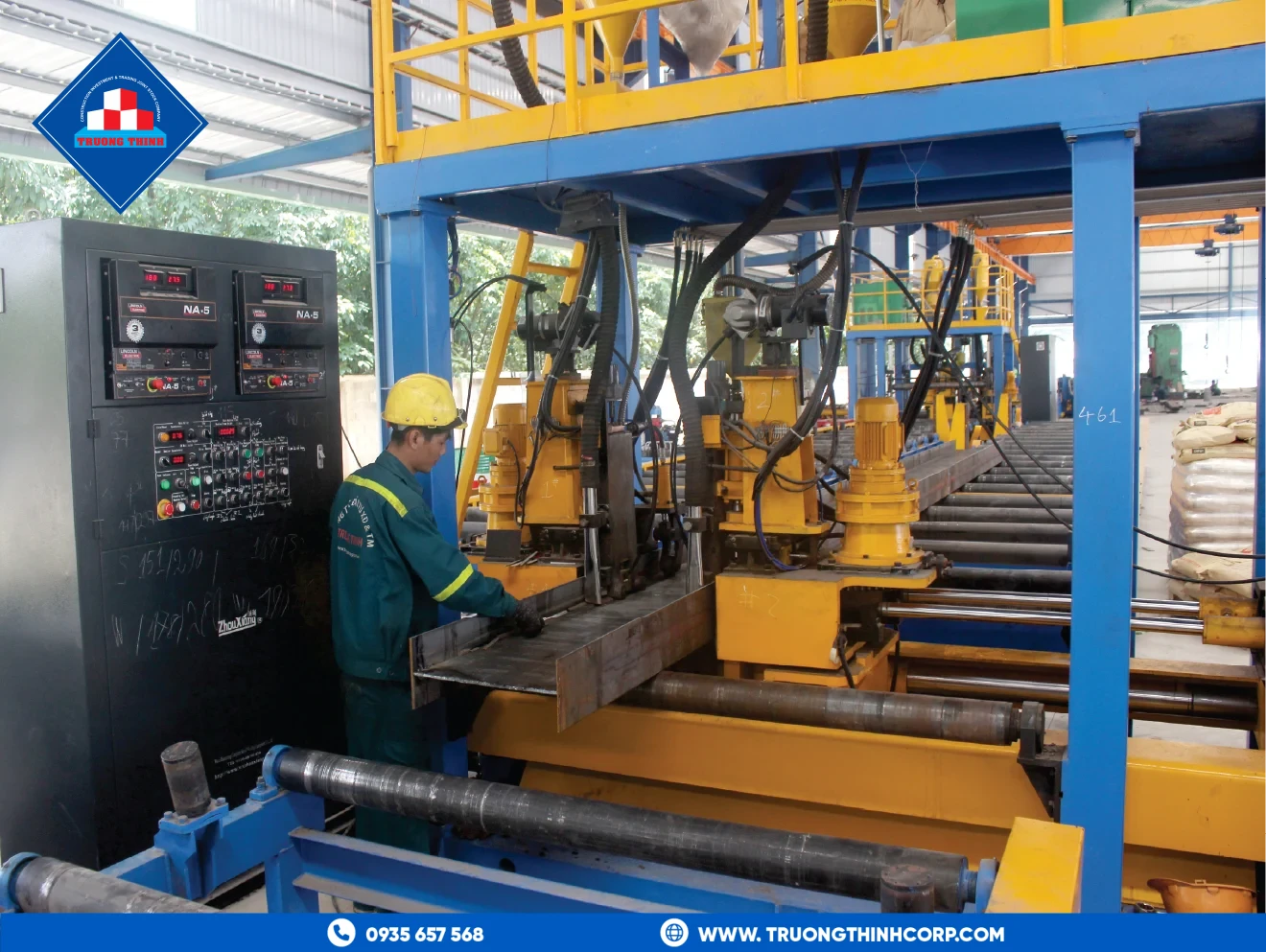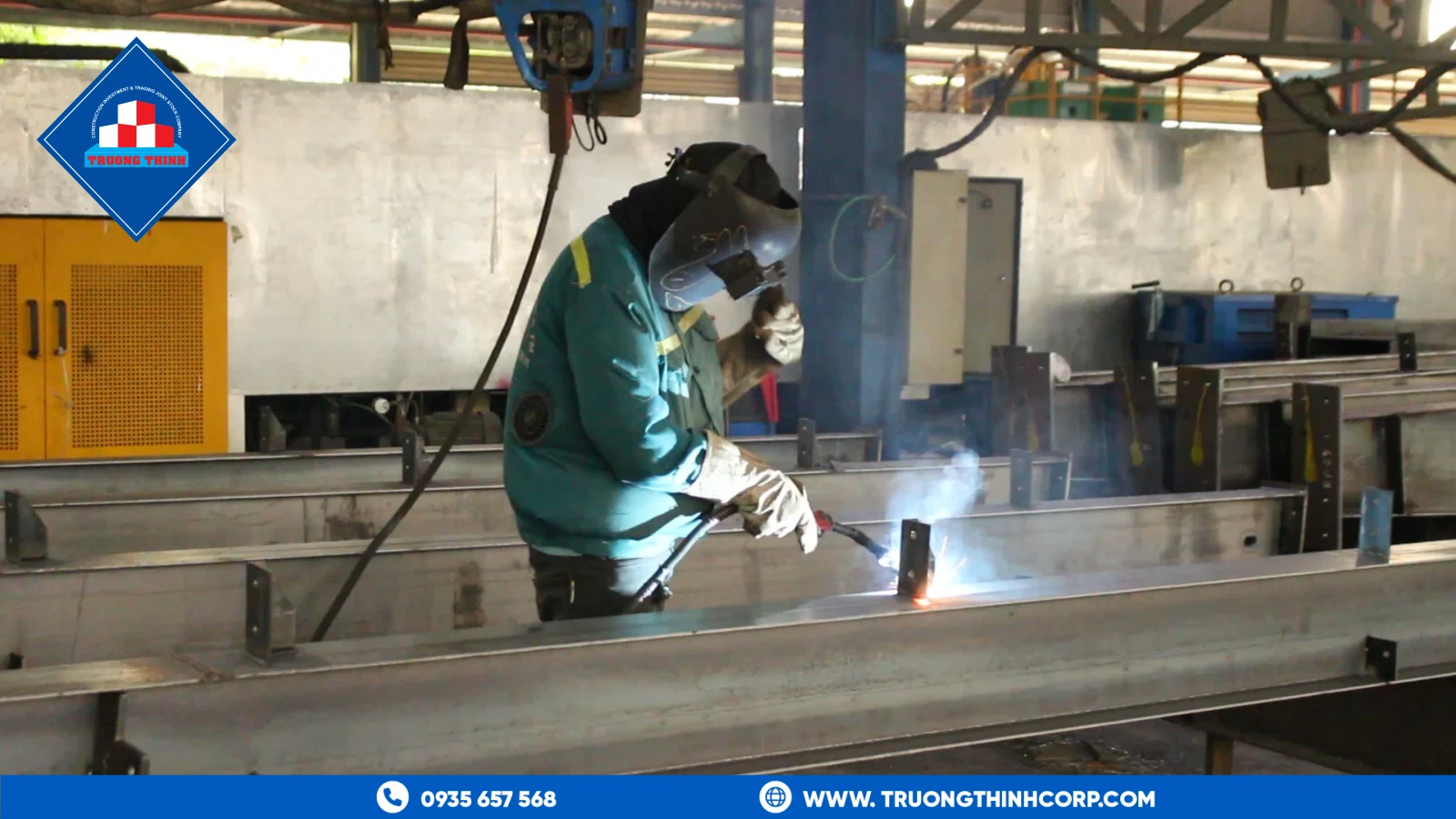


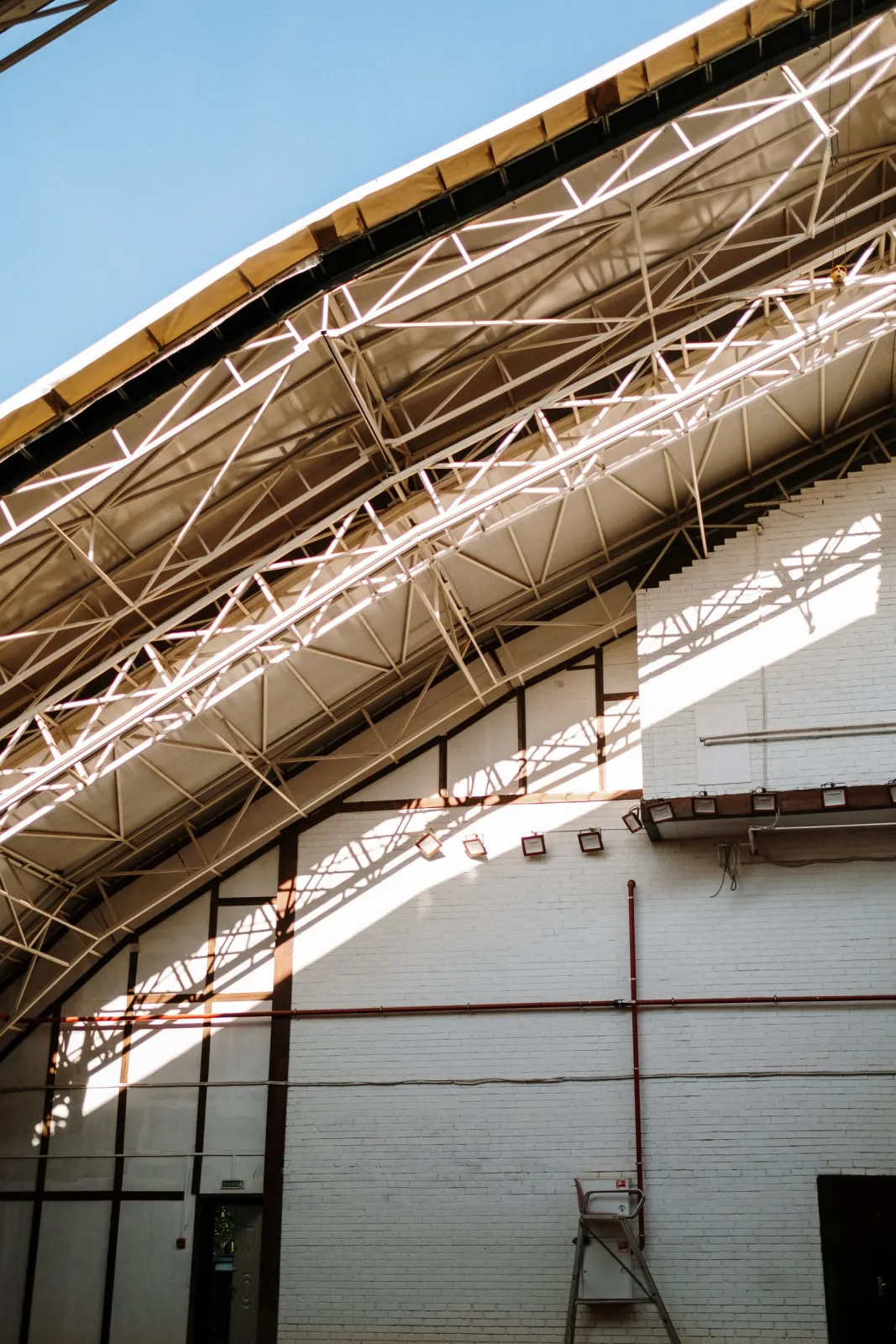
Long-span roofs — aircraft hangars, exhibition halls, large warehouses — often need more span than a simple portal-frame rafter can economically deliver, which is where a fabricated steel truss takes over. Truong Thinh Corp fabricates steel trusses for long-span industrial, commercial, and logistics buildings at its Ho Chi Minh City plant, engineered in SAP2000 and detailed in Tekla Structures before cutting starts.
When a Truss Makes More Sense Than a Solid Rafter
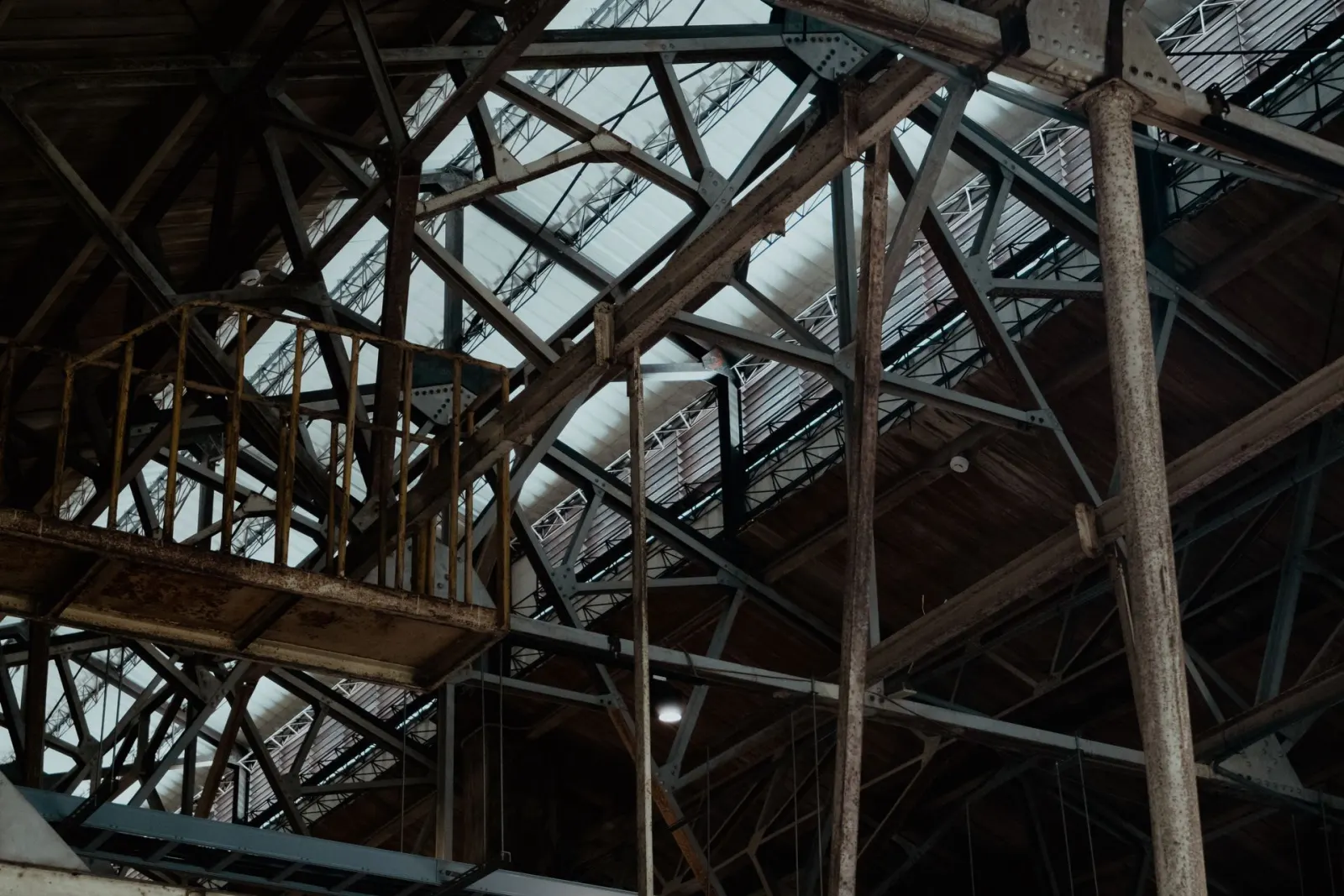
A solid tapered rafter is efficient up to a certain span-to-depth ratio; beyond that point, the self-weight of a deep plate girder starts working against the design, and a triangulated truss — which resists load through axial tension and compression in its chord and web members rather than bending — becomes the more steel-efficient option. As a practical guide, spans beyond roughly 30–40 m, or roofs where mechanical/HVAC ductwork needs to route through the roof structure (trusses leave open web space that a solid rafter does not), are where truss design typically starts to win on cost and constructability.
Truss Types Truong Thinh Fabricates
- Pratt and Warren trusses — common general-purpose long-span roof trusses, differing in diagonal-member orientation and load path efficiency depending on span and load pattern.
- Space trusses — for larger clear-span halls needing two-way load distribution.
- Built-up plate trusses — for very heavy point loads (e.g., supporting overhead crane rails within the truss depth).
Typical Truss Specification Ranges
| Parameter | Typical Range |
|---|---|
| Span | 25–60 m (project-dependent, longer spans achievable with deeper trusses) |
| Truss depth | Roughly 1/10 to 1/15 of span, refined by structural analysis |
| Chord/web sections | Angle, tube, or built-up plate sections depending on load |
| Connections | Gusset-plated bolted or welded node connections |
Fabrication and Connection Detailing
Truss fabrication accuracy lives or dies at the node connections. Each joint is detailed in Tekla Structures against the SAP2000 analysis to confirm gusset-plate size, bolt pattern, and weld length can carry the calculated member forces, and CNC plasma/laser cutting keeps gusset-plate geometry consistent from truss to truss — critical when a project needs dozens of identical trusses fabricated to the same tolerance. See our dedicated guide on gusset plate manufacturing for how these connector plates are engineered and produced, and the steel truss frame product page for the assembled frame system.
Welded joints are completed by welders qualified to a recognized welding-qualification scheme, confirmed against the project’s applicable code, and every truss goes through the same Sa 2.5 sandblasting and coating process as primary framing before dispatch, under the plant’s ISO 9001:2015 quality system.
How Trusses Interact with Purlins and the Primary Frame
A truss functions as the primary framing member spanning between columns, carrying purlins that in turn support roof cladding — truss top-chord node spacing is typically coordinated to match purlin support points so purlins do not need to span between nodes. See the steel structure components guide for how trusses fit alongside columns and beams in a complete frame, and the PEB manufacturing guide for how a truss-based long-span design compares with a standard tapered portal frame.
Case Study: Long-Span Roof for a Warehouse Facility
The Duy Hung Logistics warehouse project used long-span roof framing to keep the floor plate free of interior columns for racking and material-handling flexibility — the kind of clear-span requirement that pushes a design toward truss framing once span exceeds what a standard tapered rafter can efficiently carry. See our companion guide to steel structures for warehouse projects for more on clear-span planning.
Transport and Splicing for Long Trusses
A truss spanning 40–60 m cannot travel to site as a single piece — it is fabricated and shipped in shop-welded sub-assemblies with field-bolted splice connections, then joined on site during erection. The splice locations are planned during Tekla detailing to fall at points of lower member force where practical, and to keep each shippable segment within container or trailer length limits. Getting this splice plan agreed early avoids the common problem of a truss segment arriving at site that is structurally sound but physically too large for the site crane’s lifting radius at the point of erection.
Quality Checks Before a Truss Leaves the Plant
Because a truss carries load through multiple discrete connections rather than one continuous member, dimensional accuracy at every node matters more than it does on a simple beam — an accumulated small error across ten nodes can add up to a field-fit problem at the final connection. Truong Thinh checks overall camber, node-to-node dimensions against the Tekla model, and bolt-hole alignment before coating, catching discrepancies while correction is still straightforward rather than after the truss has left the plant.
Truss Design Software and Model Handoff
Because a truss is analyzed as a pin-jointed or semi-rigid frame with dozens of individual member forces, model accuracy matters more than on a simple beam. Truong Thinh runs the global structural analysis in SAP2000 and hands the verified member forces into Tekla Structures for connection detailing, so the gusset-plate and bolt design at every node traces back to an analyzed force rather than a rule-of-thumb assumption. Buyers with their own structural engineer can request the SAP2000 model or member-force schedule for independent review before fabrication proceeds — a reasonable ask on any truss carrying significant point loads such as crane rails or mechanical equipment.
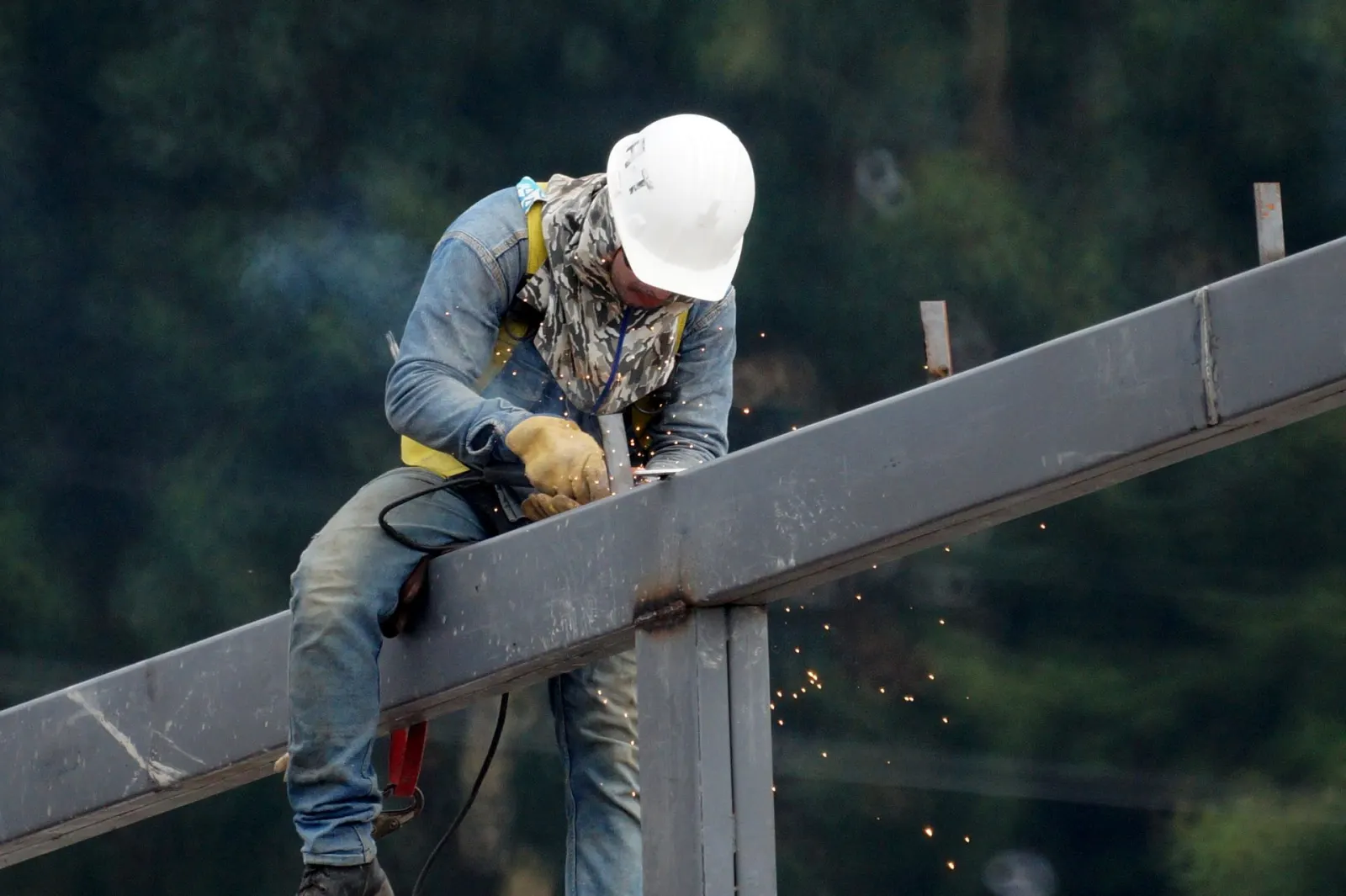
Standard frames are forgiving; long-span trusses are not. Node detailing and transport planning at this scale take engineering attention that a general steel structure fabrication company handling routine frames may not staff for — it’s one of the clearer places where structural steel fabricators actually differ in capability, not just in price.
Frequently Asked Questions
At what span does a truss become more economical than a solid rafter?
As a general guide, spans beyond roughly 30–40 m start favoring truss framing over a solid tapered rafter, though the exact crossover depends on load, roof slope, and whether services need to route through the roof zone.
What steel sections are used for truss chords and web members?
Angle sections, tube sections, or built-up plate sections depending on the calculated member force — heavier point loads (such as crane-rail support) typically require built-up plate members.
How are truss node connections engineered?
Each node is detailed with a gusset plate sized and bolted/welded to carry the member forces from the SAP2000 structural analysis, modeled in Tekla Structures for fabrication-accurate shop drawings.
Can Truong Thinh fabricate trusses to match an existing building for an expansion project?
Yes, trusses can be fabricated to match an existing structural system for extensions, provided current structural drawings or a site survey are available to confirm compatibility.
Are trusses galvanized or painted?
Standard finish is Sa 2.5 sandblasting with primer/top coat; hot-dip galvanizing is available on request for higher corrosion-protection requirements.