

Steel truss fabrication is the work of turning a design into a straight, accurate frame that fits at site. A truss has many members and many joints, so a small error at the start can grow into a large error at the far end of the span.
Why steel truss fabrication is demanding
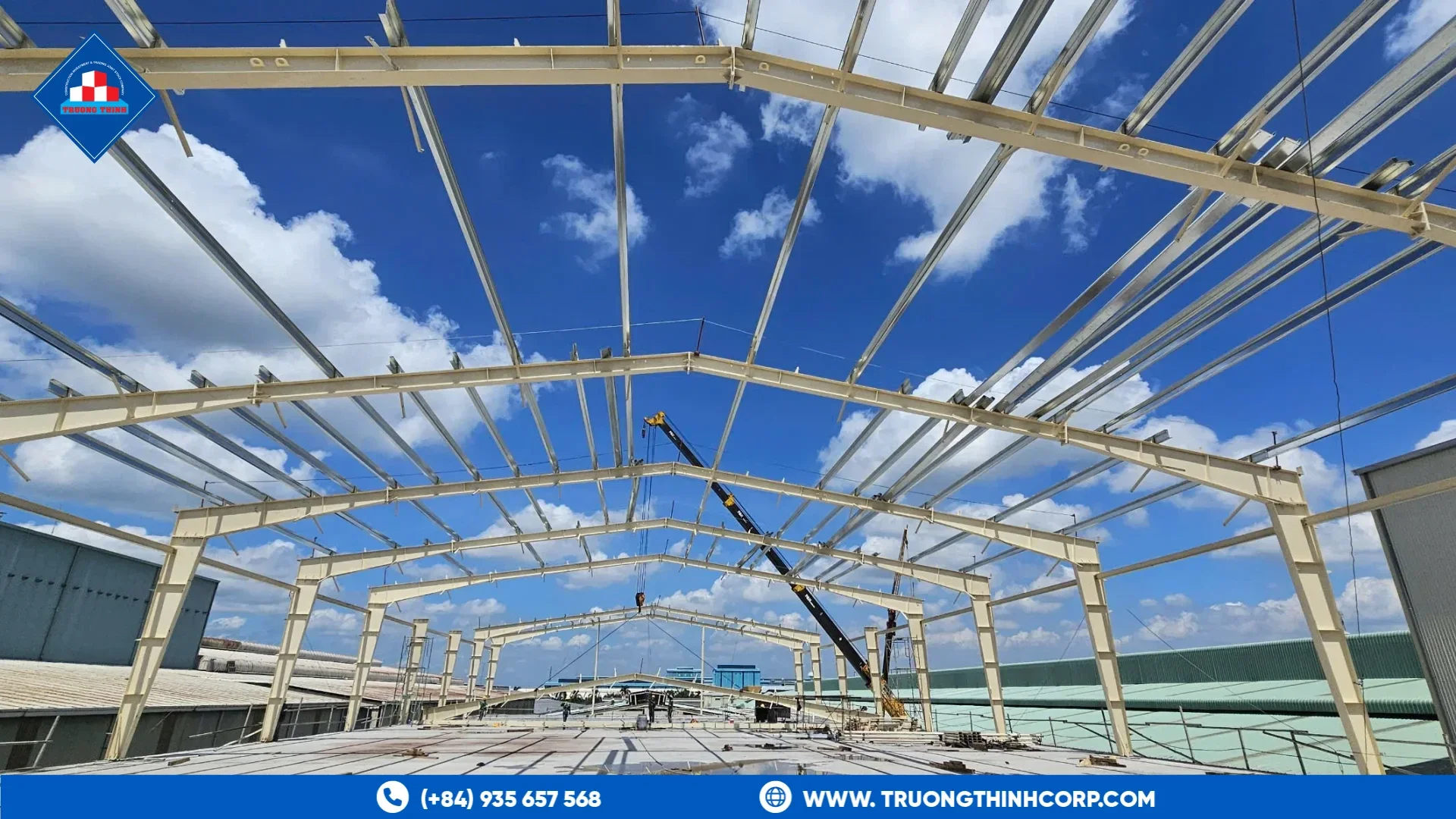
A roof truss may span a large hall, and it is usually lifted in one or two pieces. Chords, webs and gusset plates must meet at precise points. If the work points are off, the loads shift and the roof may not sit level. For help in choosing the form, see our guide to steel roof truss types.
Cutting and preparation
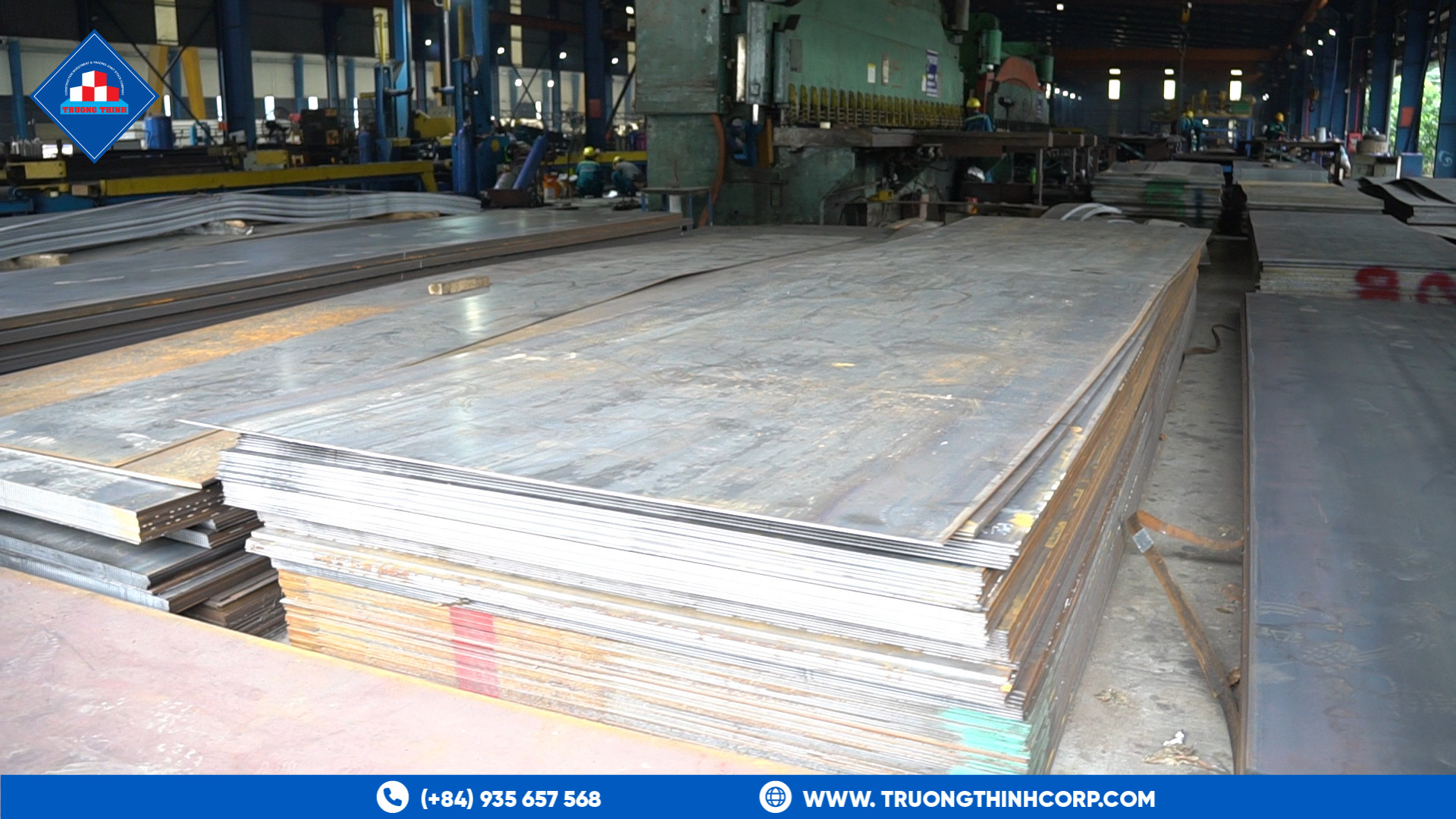
Members are cut to length with the end angles required for the joint. Plate for gussets is cut by plasma, laser or oxy-fuel, depending on thickness, as compared in steel plate cutting methods. Holes for bolts should be drilled or punched to the tolerance on the drawing.
The jig and fit-up
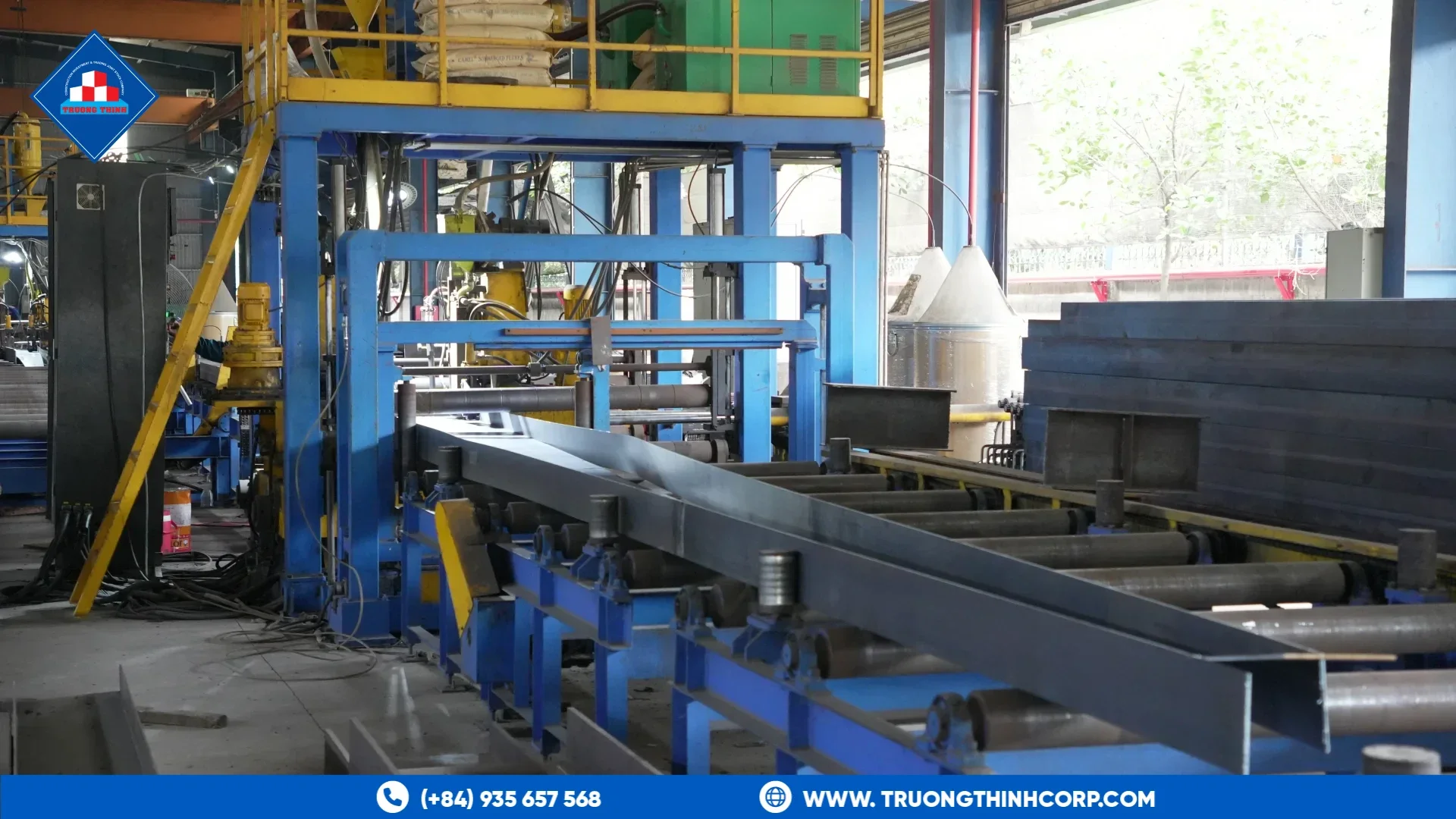
A jig, or fixture, holds each member in position while the truss is tacked and welded. The jig sets the span, depth and camber. Careful setting-out of the jig at the start is the single most important step, since every truss made on it repeats its errors. Ask the workshop how the jig is checked and how often.
Welding sequence and distortion
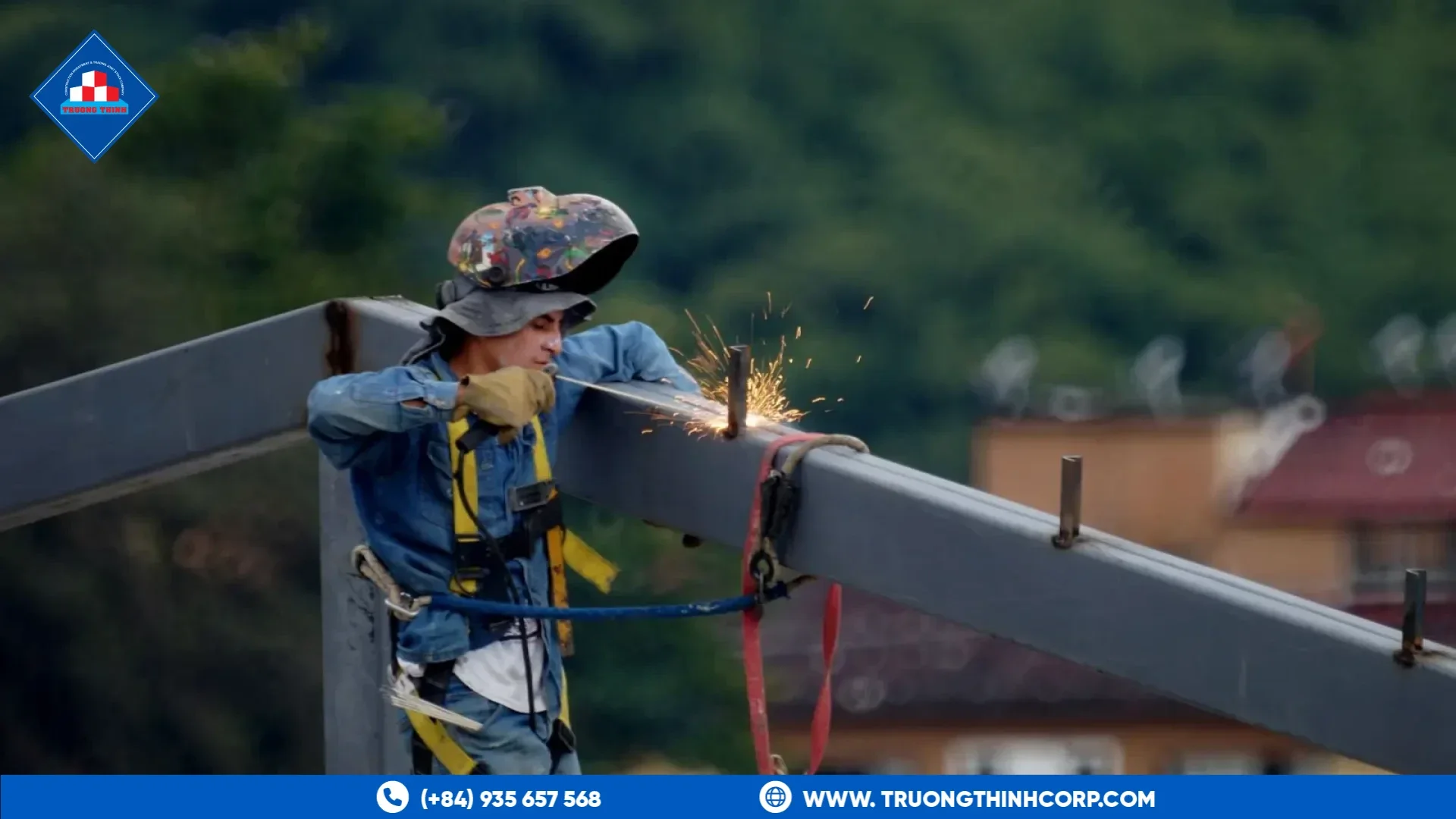
Heat from welding pulls the steel. A planned sequence, balanced welds and enough restraint reduce distortion. Welders should work to an approved procedure, and the finished welds should be inspected visually and, where required, by non-destructive tests as described in non-destructive testing for steel welds.
Dimensional checks before release
Before a truss leaves the shop, measure:
- Overall span and depth
- Camber, where the design requires it
- Position of bolt holes at the splices
- Straightness of the top and bottom chords
Record the results, and mark every truss with its position. The article on truss camber and transport splits explains how these checks relate to shipping.
Coating and transport
Trusses are normally blasted and coated after welding. Take care in handling, because a long truss can be damaged by poor lifting. Plan the split points early so that each piece fits on a truck or container.
Where this fits in the project
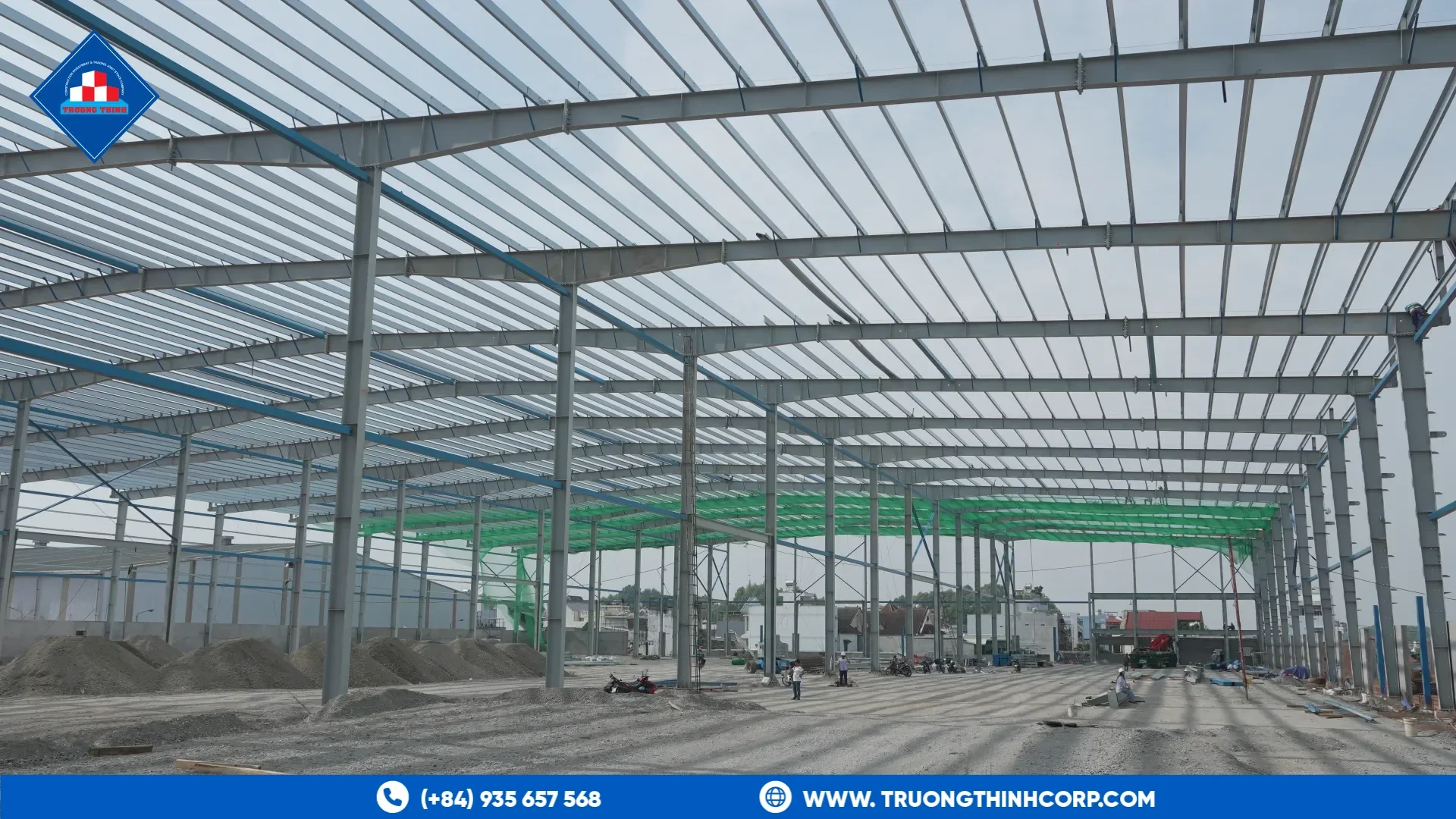
A steel structure factory with long welding lines and overhead cranes can handle trusses together with columns and beams, which keeps the frame consistent. Our page on steel truss fabrication for long-span structures shows our approach, while steel beam fabrication covers the other main members. Truss work in an industrial steel building often combines with crane runway beams. For general background, see the entry on trusses.
Trial assembly for complex trusses
For a complex roof, a trial assembly in the workshop can reveal fit-up problems before shipment. The workshop lays out two or three adjacent trusses and the connecting purlins, then checks hole alignment and clearances. Trial assembly adds time, so it is usually reserved for unusual geometry, critical splices or long spans.
Lifting and handling
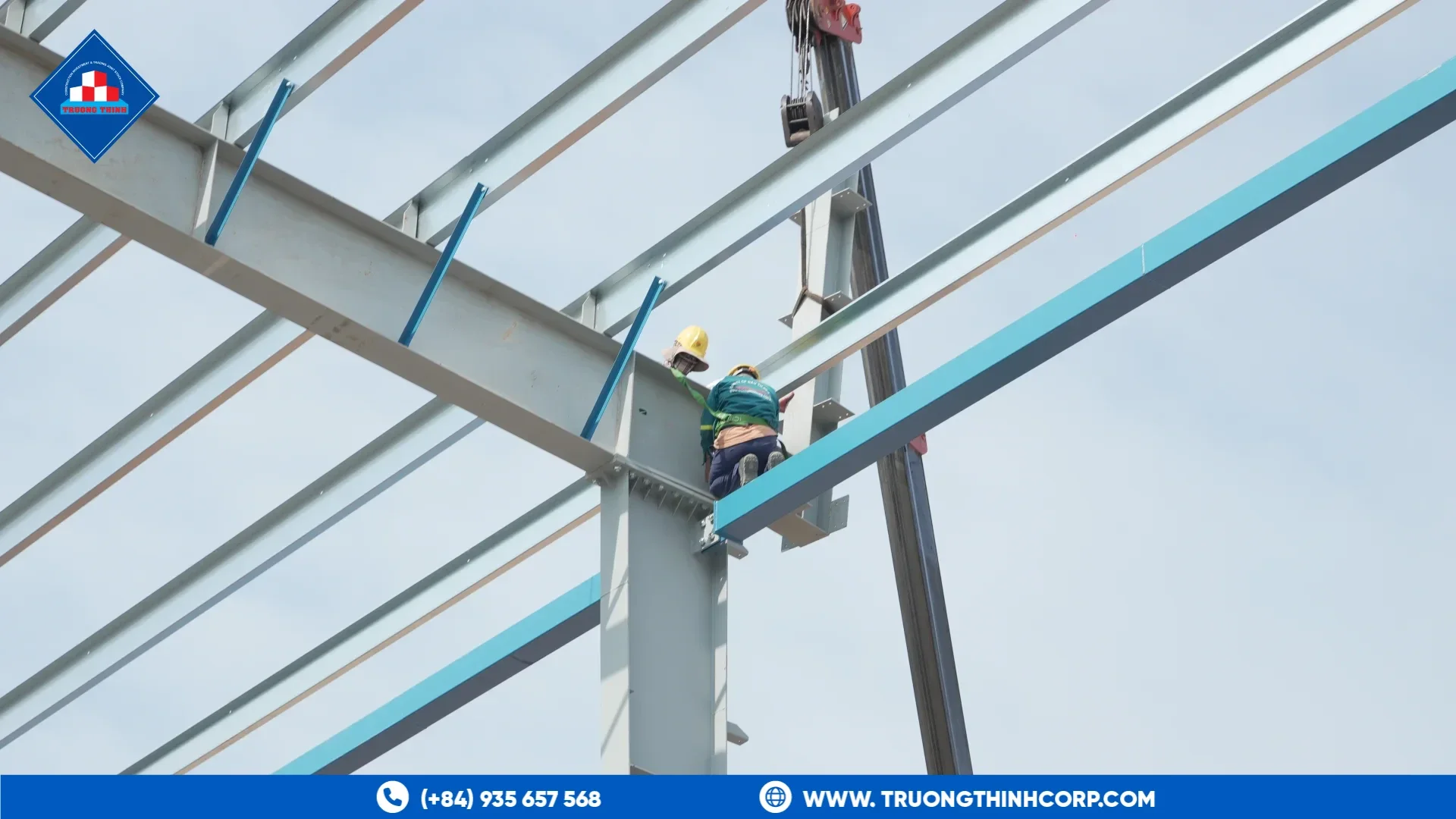
A truss is stiff in its own plane but weak out of plane, so lifting points and spreader beams must be planned. The fabricator should mark the lifting points on the drawing and, where required, add temporary bracing. Poor handling can bend a chord and ruin a good fabrication job. See the guide to erection sequence and temporary stability for the site side.
Questions to ask a workshop
- How are jigs set out and checked, and how often?
- What welding procedure applies to chord and web joints?
- How is camber measured and recorded?
- What is the maximum truss size that the cranes and the yard can handle?
A workshop that can answer in specifics, and that shows its welding lines and cranes, usually has control of the work. Compare the answers with the evidence on our welding procedure guide.
If your project includes long-span roof trusses, share the span, spacing and loads, and discuss your structural design requirements.
Frequently Asked Questions
Why is the jig so important?
The jig fixes the geometry of every truss made on it. A jig error repeats in each unit.
Can trusses be bolted instead of welded?
Yes, bolted splice joints are common for transport. The design and the fabricator decide which joints are welded in the shop.
How is camber checked?
By measuring the truss laid on supports and comparing the rise at defined points with the drawing.
Free quotation · Reply within 24 working hours
Request a quotation for steel truss fabrication
Tell us about your steel structure project. Our engineering and sales team will reply with a tailored proposal, usually within 24 working hours.
Need an answer faster? Call our engineers directly.
Mon–Fri 8:00–17:30 · Sat 8:00–12:00 (GMT+7)