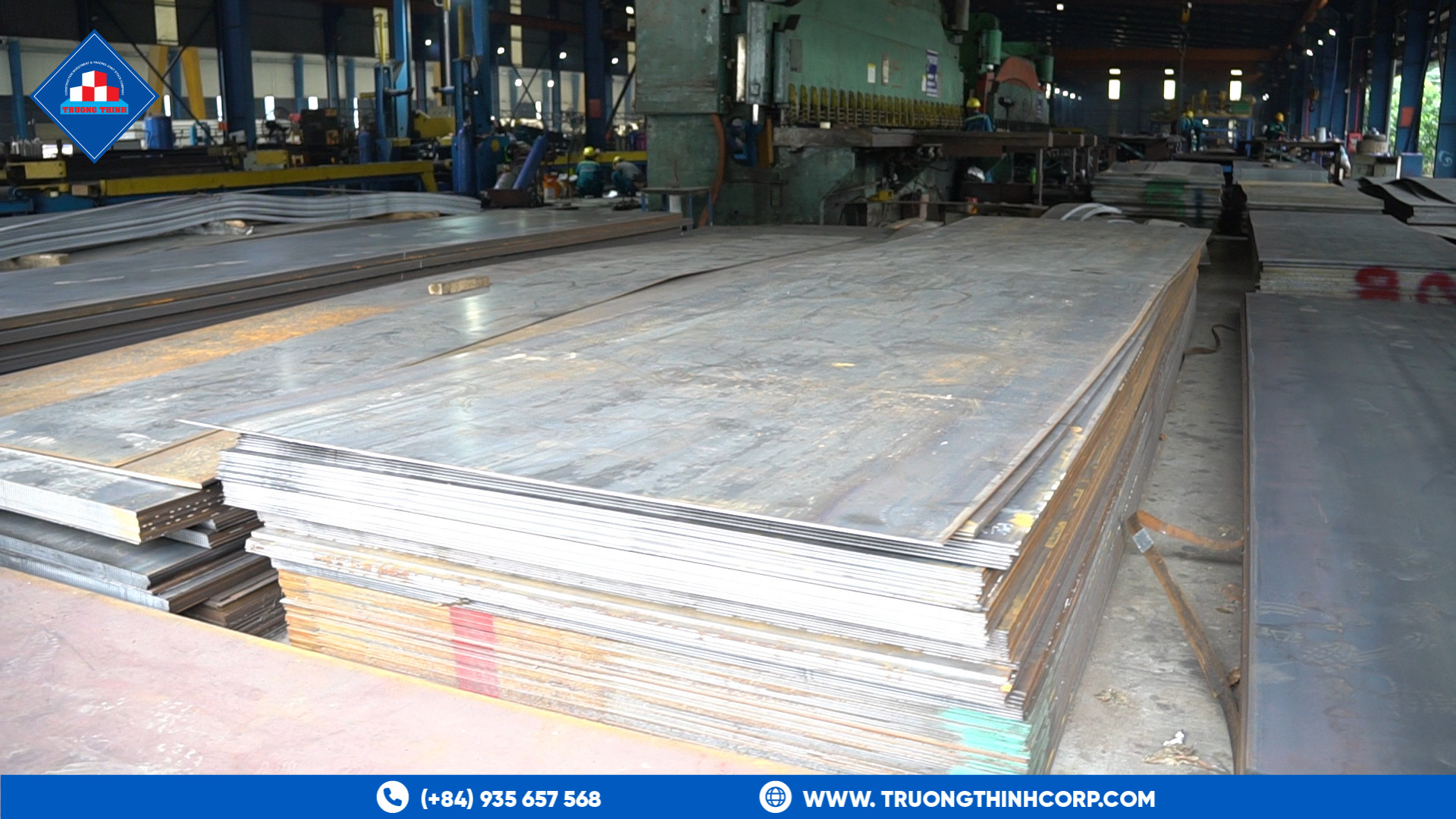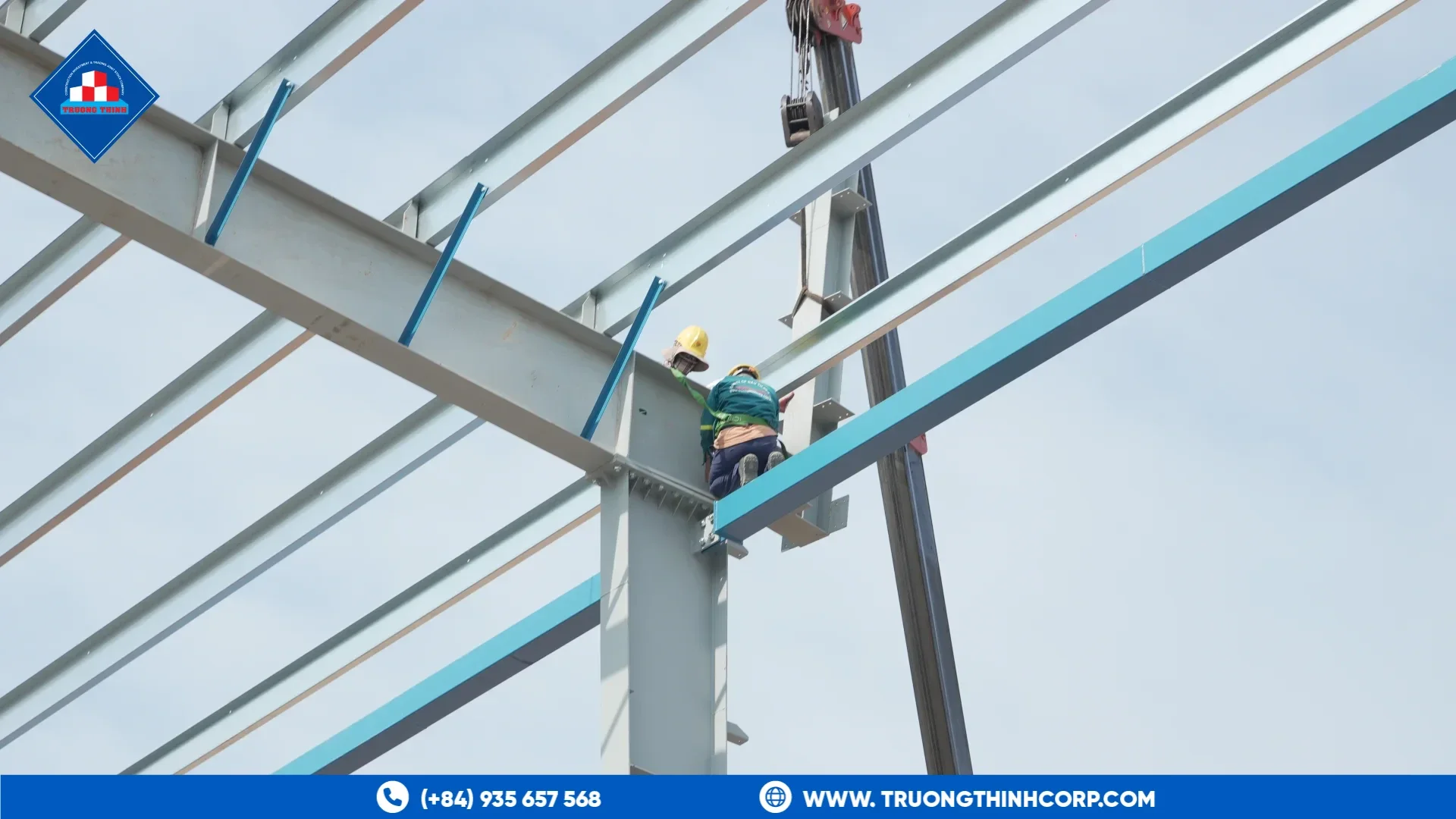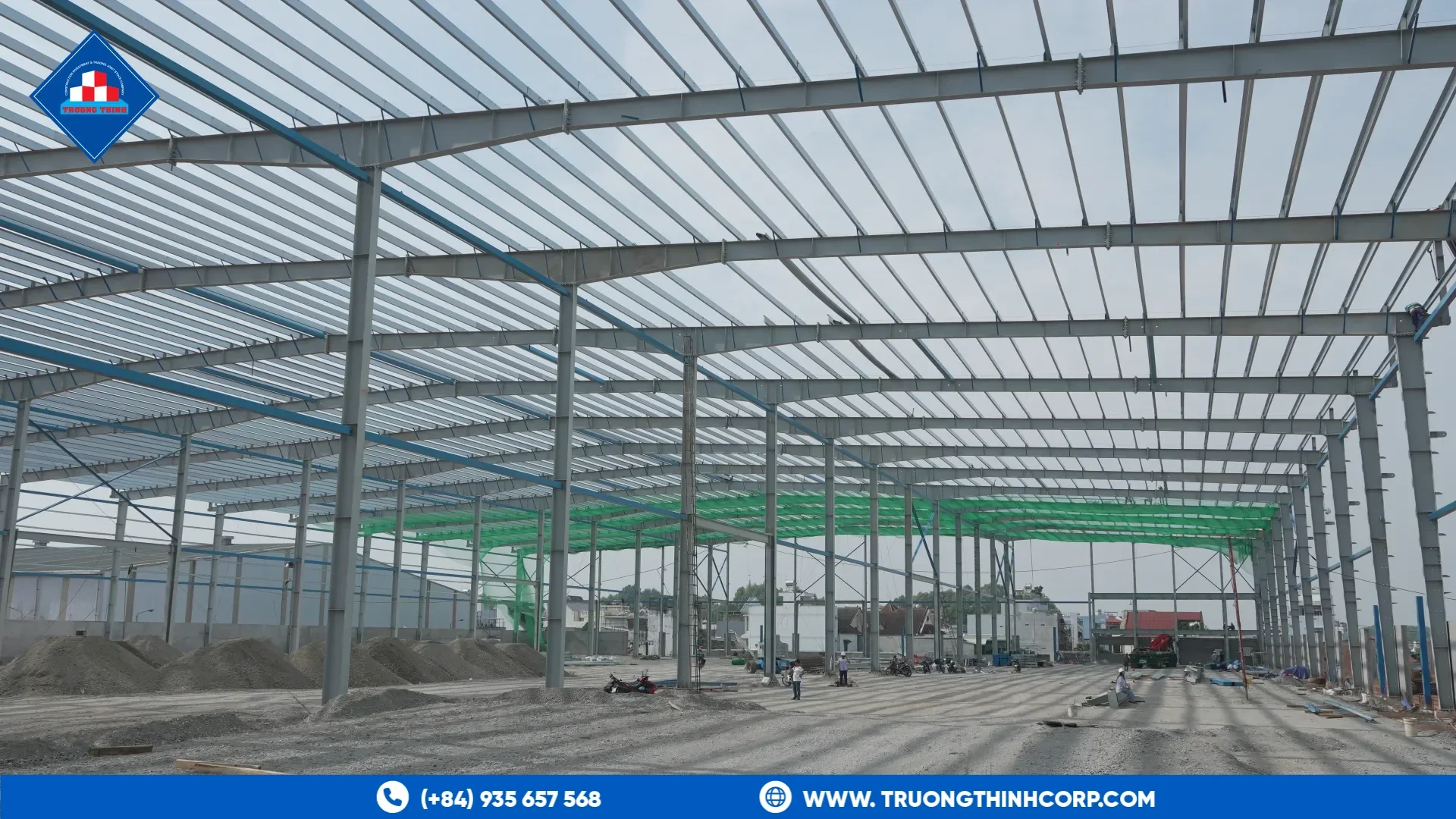


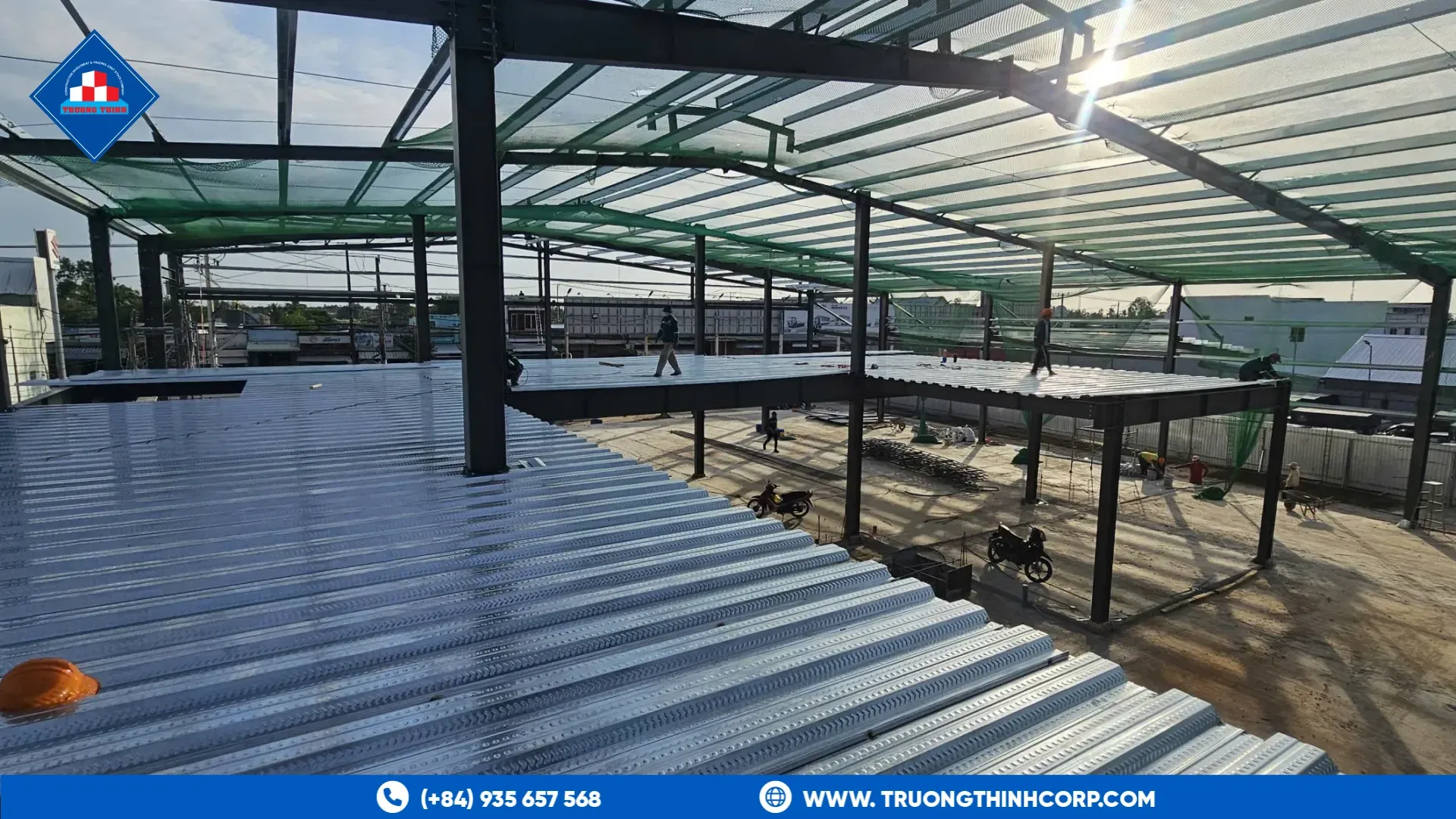
An industrial steel staircase connects floors, platforms and roofs in factories, warehouses and plants. It must carry people and sometimes trolleys, resist slipping and stay stable for many years. Stairs look like small items, but they are part of the safety system of the building, so they deserve proper design and a clear specification.
What an industrial steel staircase consists of
A staircase has stringers, which are the inclined side beams, treads, risers where used, landings and handrails. The names and parts are described in this overview of stairs. Platforms add beams, decking and guard rails. Each part is a steel component that is fabricated, coated and bolted or welded to the main frame.
Loads and safety
- Live load. People and carried items, set by the use. Heavy traffic and equipment need a higher design load.
- Handrail and guard rail loads. Rails must resist a push, set by the code.
- Dimensions. Tread depth, riser height, width and headroom follow the safety rules for the location.
- Slip resistance. Treads need a non-slip surface, such as checkered plate, grating or serrated bars.
- Fixings. Connections to the frame must carry the load and avoid movement.
Check the local rules for stairs and guard rails, and have the design reviewed by the engineer.
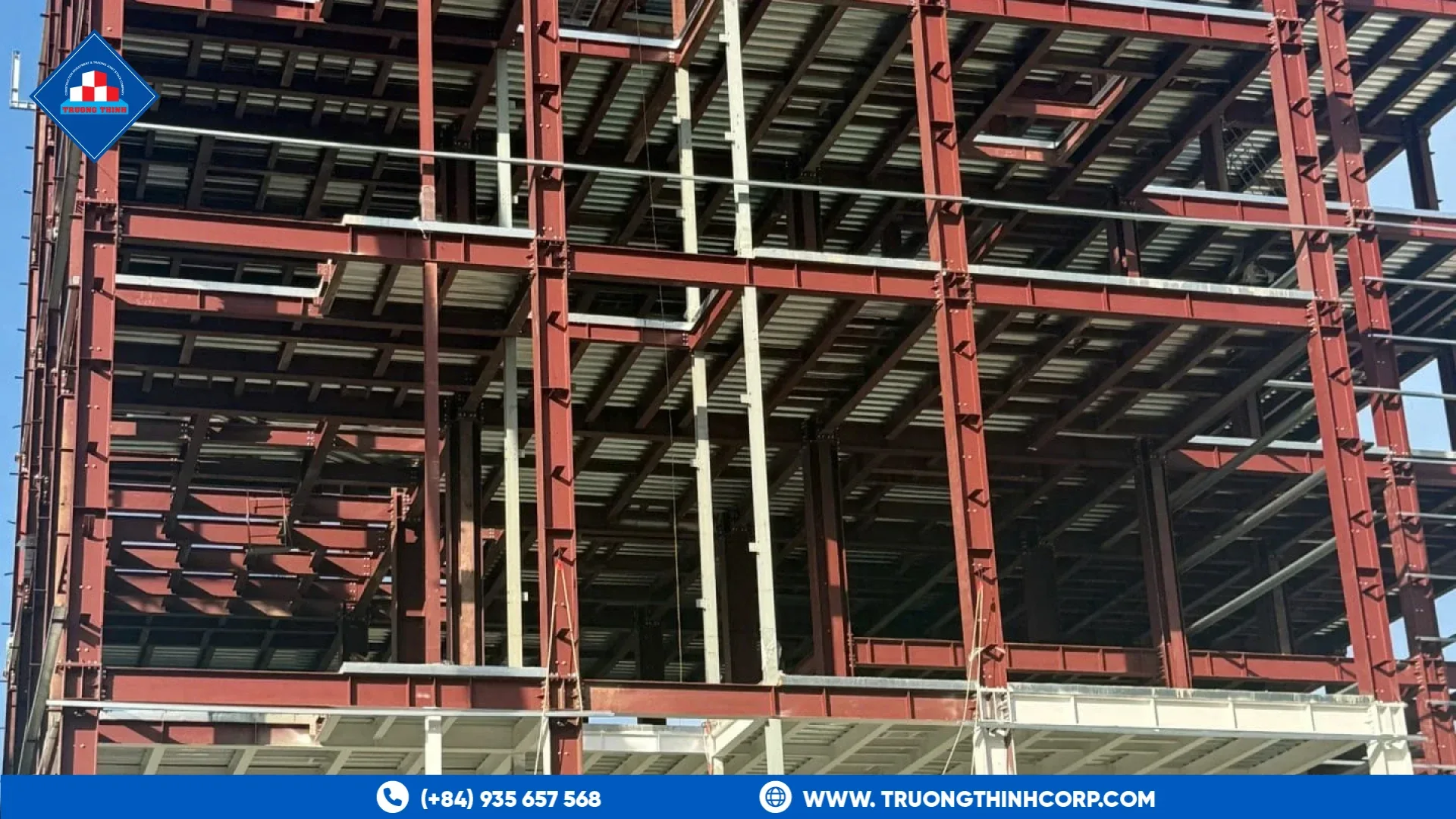
Industrial steel staircase materials and finishes
Treads can be checkered plate, bar grating or perforated plate. Grating drains water and lets light pass, and checkered plate is solid and quiet. In wet or corrosive areas, galvanizing or a duplex coating is common. Our guides to galvanized vs painted steel and to hot-dip galvanized steel structures explain the choice.
Fabrication and fit
Stairs are made to fit between two floor levels, so height and position errors accumulate. Take the floor-to-floor dimensions from the as-built frame, not only from the drawing, and check them before fabrication. The fabrication tolerances for members, such as those in our guide to steel column fabrication tolerances, help stairs fit the frame.
Connection to the frame
Stairs attach to beams or to dedicated supports. Landings need beams and bracing to prevent sway. Platforms in a plant may need to carry pipes and equipment as well as people, so their loads must be listed. Our guide to steel pipe racks and utility structures shows how such loads are coordinated, and our guide to steel mezzanine floors covers raised floors.
Planning in the design brief
- Floor heights and the position of each stair
- Design load and the number of users
- Surface type and slip resistance
- Coating and exposure
- Handrail height and type
- Future changes, such as extra floors or equipment
State these when you request quotations for an industrial steel building, so that stairs and platforms are priced in the main scope.
What to ask a supplier
Ask which codes the stair design follows, who checks the load, how the stairs are marked and delivered, and what coating they carry. Also ask for fixing details, since many stair problems come from poorly fixed connections. Marking and packing matter for small items, as explained in steel member marking and packing lists.
If you need stairs and platforms in a plant, share the floor heights, the loads and the access rules, and discuss your structural design requirements with our engineering team.
Frequently Asked Questions
What load should an industrial staircase carry?
It depends on the use and the code. The engineer sets the design load from the number of users and any carried equipment.
Is grating better than checkered plate?
Neither is better in every case. Grating drains and lets light pass, while plate is solid. Choose by use and environment.
Can stairs be added after the building is finished?
Yes, if the frame can carry the new connections. Have the structure checked first.
Free quotation · Reply within 24 working hours
Request a quotation for industrial steel staircase
Building a factory, warehouse or production plant? Send your drawings or building requirements and our engineering team will return a fabrication quotation with tonnage, lead time and delivery options.
Need an answer faster? Call our engineers directly.
Mon–Fri 8:00–17:30 · Sat 8:00–12:00 (GMT+7)