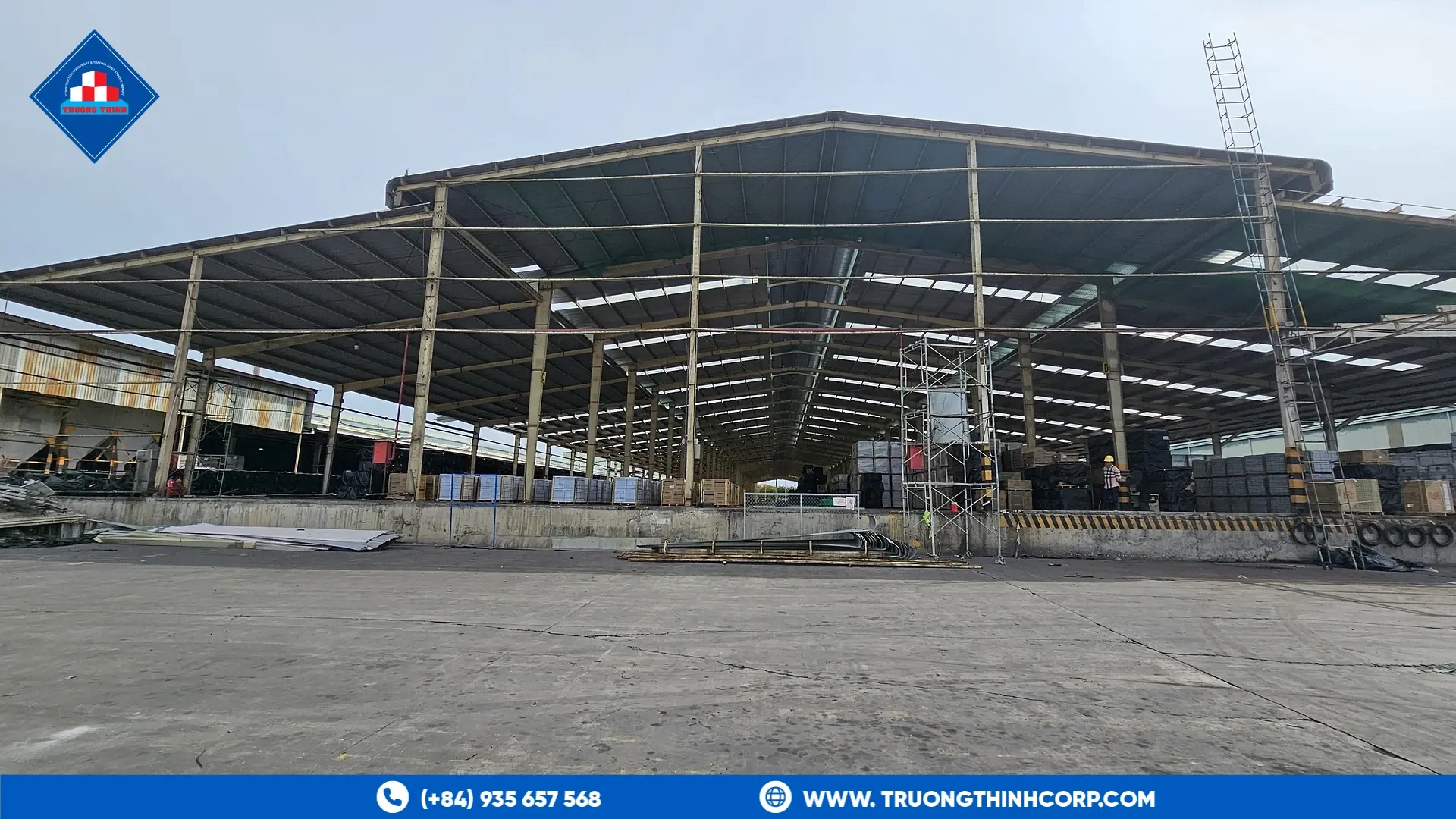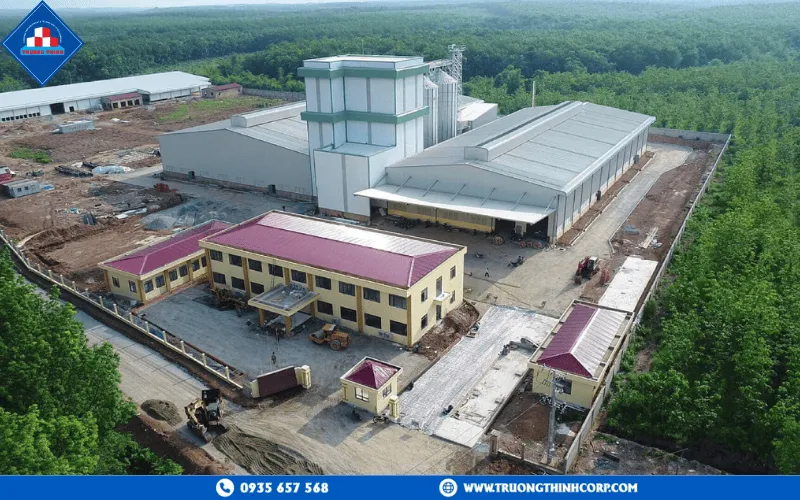


A pipe rack looks like a simple repeating steel frame, but the loads on it are anything but simple: process piping, cable trays, and sometimes ductwork are stacked on the same structure, each with a different weight, thermal expansion behavior, and maintenance-access requirement. Getting a pipe rack wrong is expensive in a way that is hard to fix later, because the piping and cabling are usually installed after the steel is already in place.
1. What makes pipe rack loading different from a building frame
A pipe rack carries dead loads from the pipes and their contents (which can be heavier than the empty pipe itself, especially for liquid-filled lines), plus loads that shift as the plant’s process piping is added to or modified over the facility’s life. The structural design has to anticipate future pipe runs, not just the initial installation.
1.1 Thermal expansion of pipe runs
Long straight pipe runs expand and contract with process temperature changes, and the rack’s pipe supports — fixed points, guides, and sliding shoes — have to be coordinated with the piping engineer’s stress analysis so the steel structure doesn’t restrain movement the pipe design assumes is free.
1.2 Multi-level stacking and access
Where pipes, cable trays, and ductwork share a rack, the levels are typically stacked by function (process piping lowest, utility piping and cable trays above) with enough vertical clearance between levels for maintenance access — a detail that has to be agreed with the plant’s process and electrical engineers before the rack is fabricated.
2. Coordinating a pipe rack with the rest of the plant
| Discipline | What the pipe rack design needs from them |
|---|---|
| Process/piping engineering | Pipe sizes, contents, and stress-analysis fixed points for support design |
| Electrical | Cable tray routing and separation distance from process piping |
| Plant operations | Future expansion allowance — extra capacity on the rack for lines added after commissioning |
| Civil/foundation | Column base loads, particularly at anchor points and expansion-joint bents |
3. Fabrication considerations for pipe racks and utility structures
Because a pipe rack is a repeating structure — the same bent shape repeated down the plant — it benefits from the same fabrication-standardization logic used in warehouse and dormitory framing: standardize the bent connection once, and repeat it, rather than engineering each bent as a one-off.
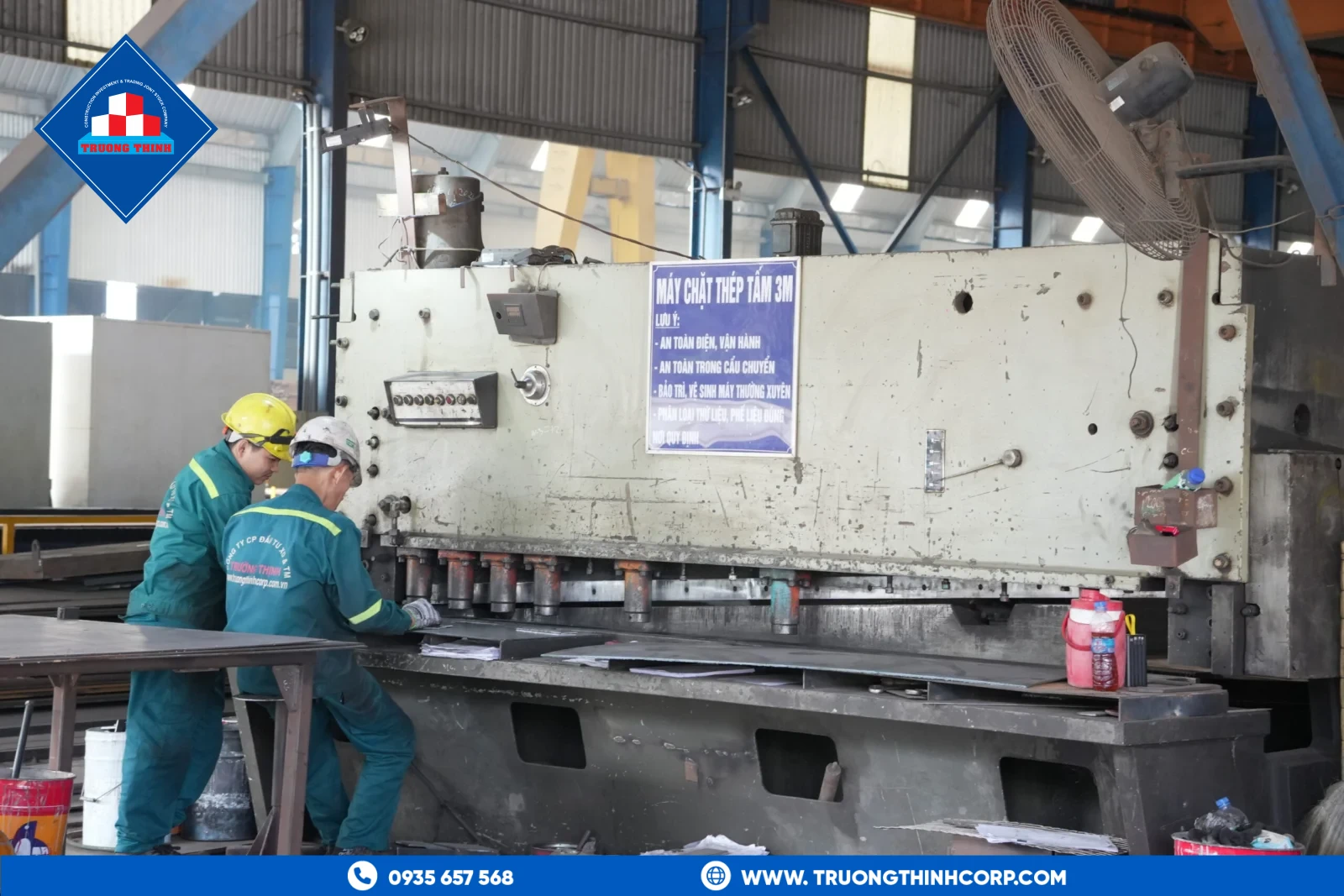
Truong Thinh Corp fabricates structural steel components to shop-drawing tolerances suited to this kind of repeating industrial structure, using CNC cutting and gantry welding lines that hold consistent dimensional accuracy across a full production run — the same fabrication discipline a pipe rack’s repeated bents require.
Truong Thinh Corp fabricates structural steel for industrial plant utility structures including pipe racks and support steelwork. Explore our fabrication capabilities or request a free quotation.
Frequently Asked Questions
What loads does a steel pipe rack need to be designed for?
Dead loads from the pipes and their contents (which can exceed the empty pipe weight for liquid-filled lines), plus allowance for future pipe runs added after the plant is commissioned.
Why does pipe thermal expansion matter to the steel structure?
Long pipe runs expand and contract with process temperature, and the rack’s fixed points, guides, and sliding shoes have to be coordinated with the piping engineer’s stress analysis so the steel doesn’t restrain movement the pipe design assumes is free.
How are pipes, cable trays, and ductwork typically arranged on a shared rack?
Levels are usually stacked by function, process piping lowest and utility piping or cable trays above, with vertical clearance for maintenance access agreed with the plant’s process and electrical engineers before fabrication.