

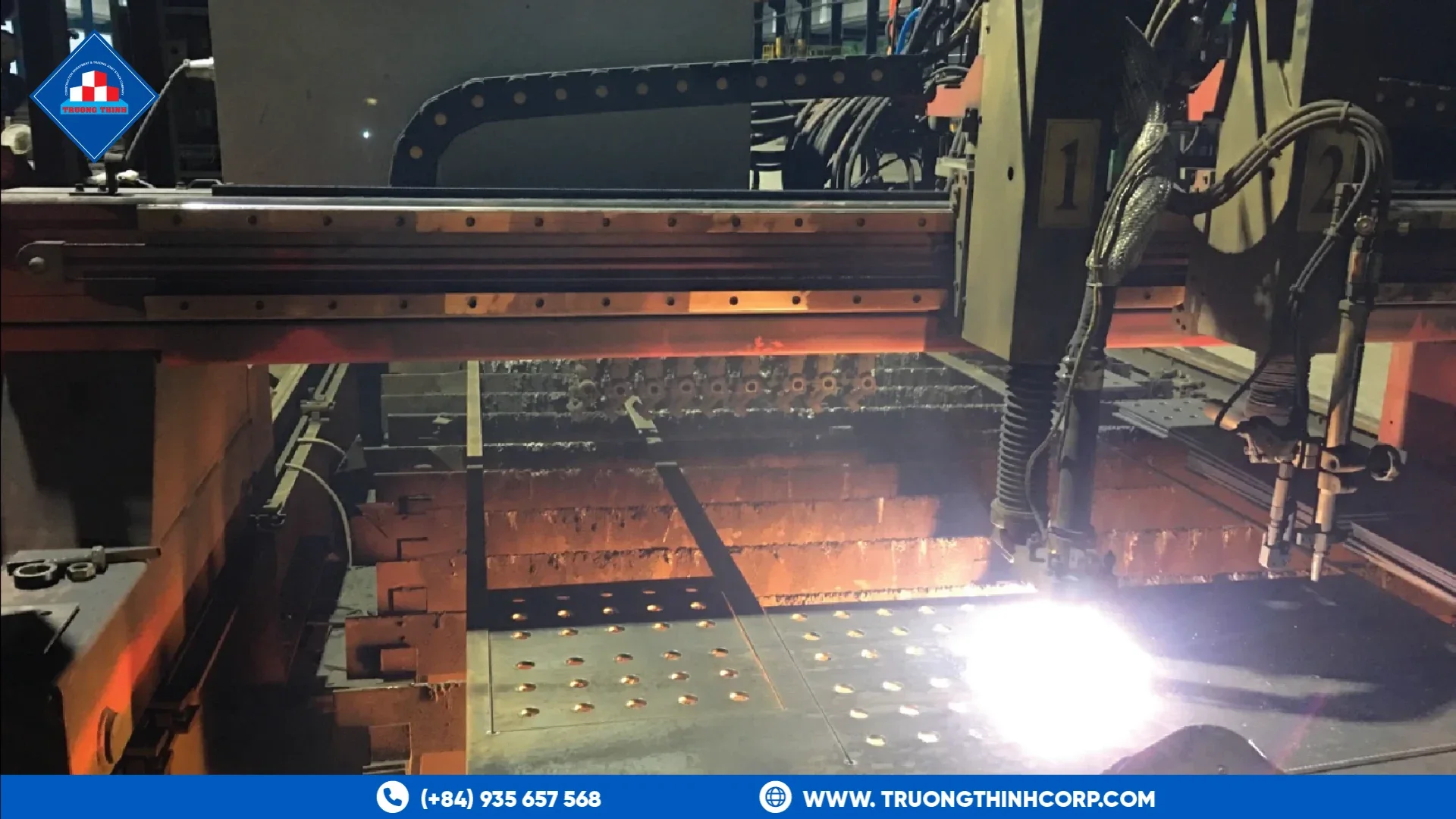
Hot work safety is the set of rules for any work that makes heat, sparks or flame: welding, flame cutting, grinding and similar tasks. On steel projects these jobs are constant, in the workshop and on the site. Fires and explosions from hot work are preventable, but only if the area is checked and controlled before sparks start.
What counts as hot work
Hot work includes arc welding, gas cutting, grinding, brazing and any task that can ignite materials nearby. Sparks can travel far, and fall through gaps. A small spark in a pile of packing material can smolder for hours before it flames.
The main hazards
- Fire from sparks igniting combustible material
- Explosion where flammable gas, vapor or dust is present
- Burns from hot metal and sparks
- Fumes and gases from welding and coating
- Eye injury from arc light
- Electric shock from welding equipment
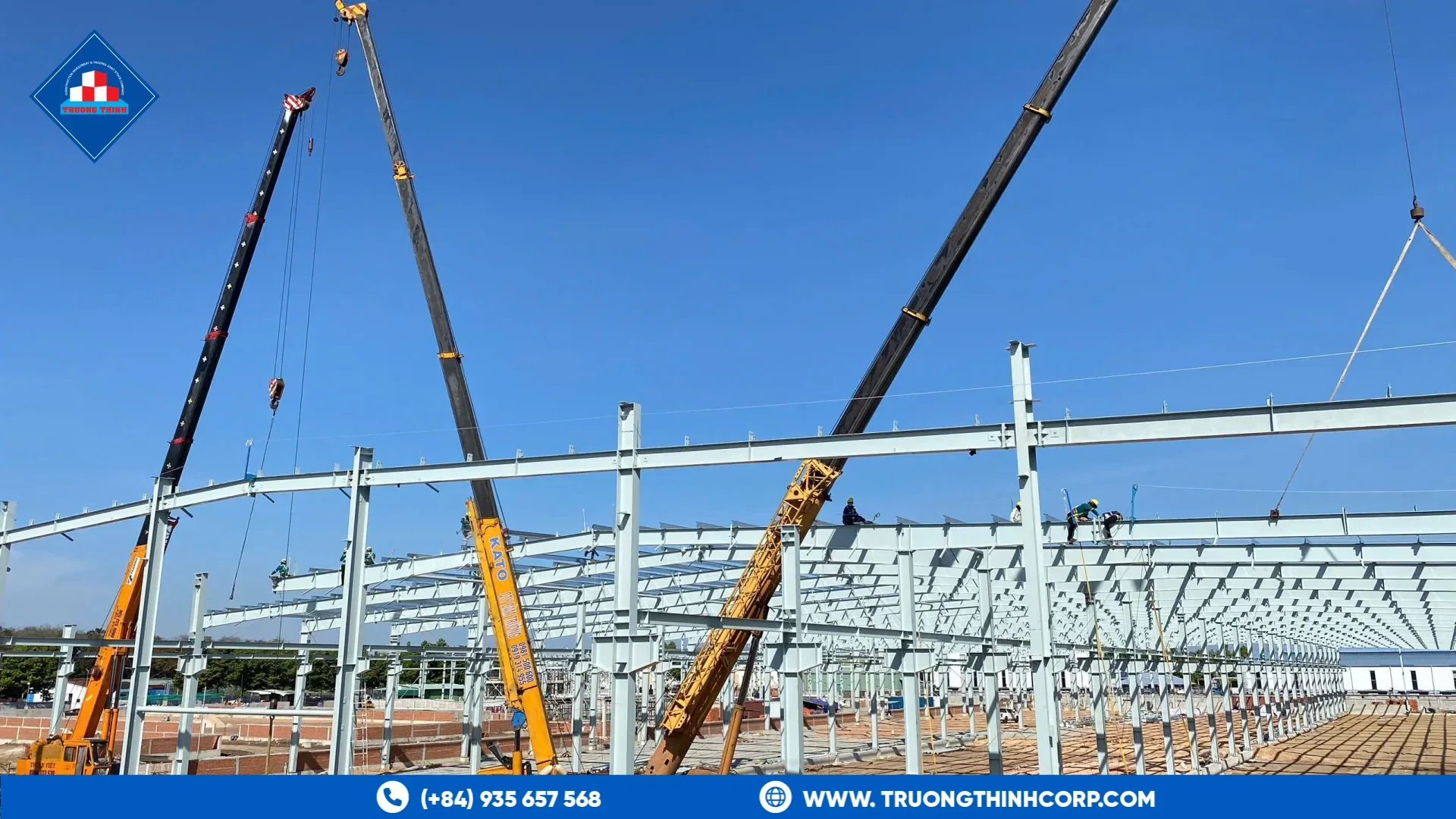
Hot work safety steps
- Assess the area. Look for combustible material, flammable liquids, gases and dust, above, below and nearby.
- Remove or protect. Move combustibles away, or cover them with fire-resistant blankets. Seal gaps through which sparks can fall.
- Use a permit. A written hot work permit states the task, the place, the time and the precautions. It is signed before work and closed after.
- Provide fire watch. A trained person watches for fires during the work and for a period afterward.
- Have extinguishers ready. Of the right type, close by and checked.
- Ventilate. Provide fresh air or extraction, especially in enclosed spaces.
- Wear protection. Helmets, gloves, flame-resistant clothing and eye protection.
- Check after the work. Inspect the area for smoldering material before leaving.
Check the local rules for hot work, and involve the site safety officer.
Training and culture
Permits and equipment only work when people understand why they matter. Train every worker who does or supervises hot work, repeat the training regularly and encourage anyone to stop work when conditions change. A site that treats hot work safety as part of normal planning has fewer incidents than one that treats it as paperwork.
Special cases
Welding on or near coated surfaces can release fumes, so check the coating and provide ventilation. Work in tanks, voids and confined spaces needs additional controls. Cutting near insulated panels needs care, since some cores burn. Our guide to insulated metal panels explains the core types, and our guide to fire protection for steel structures covers fire in the finished building.
Workshop and site
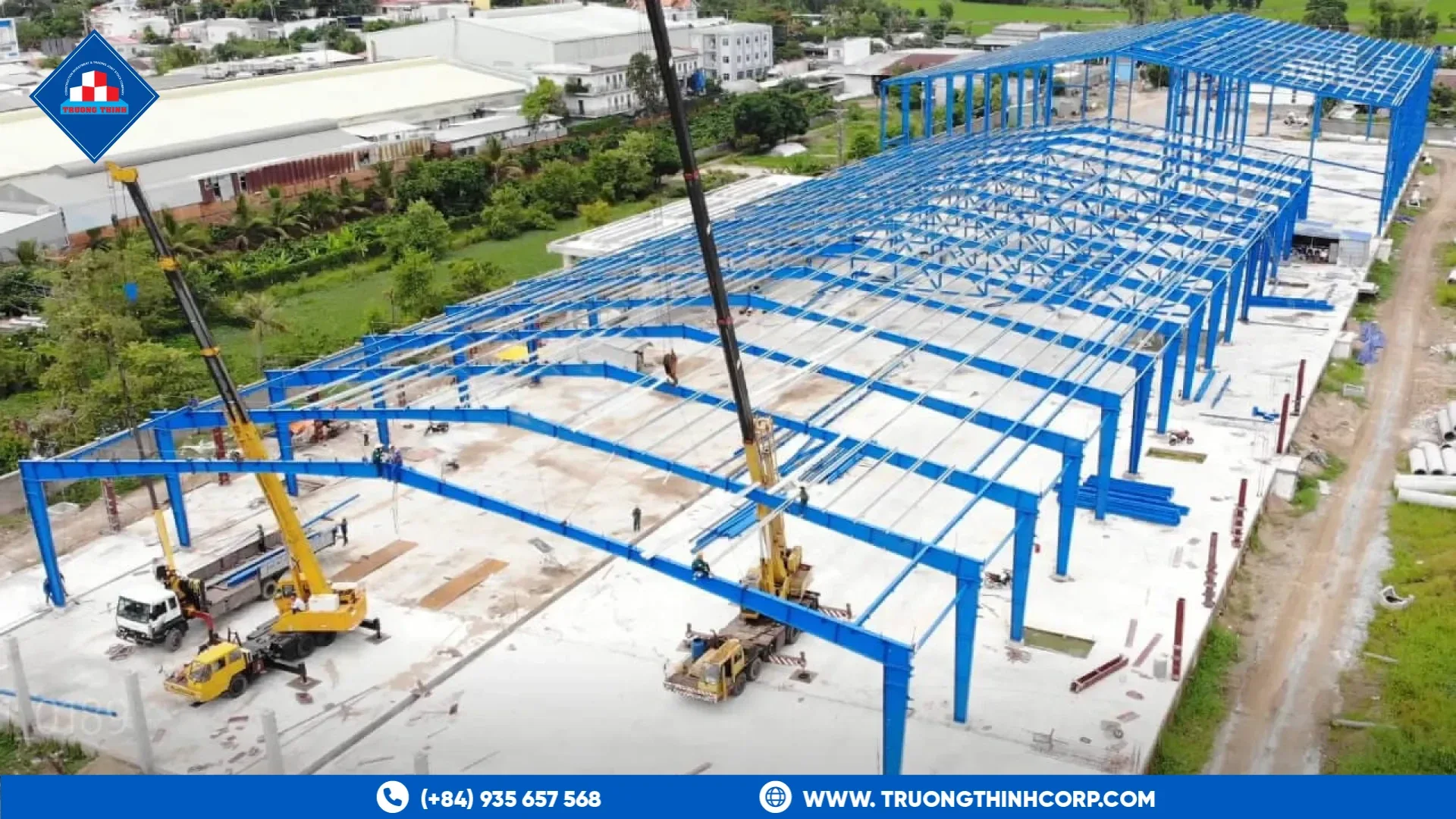
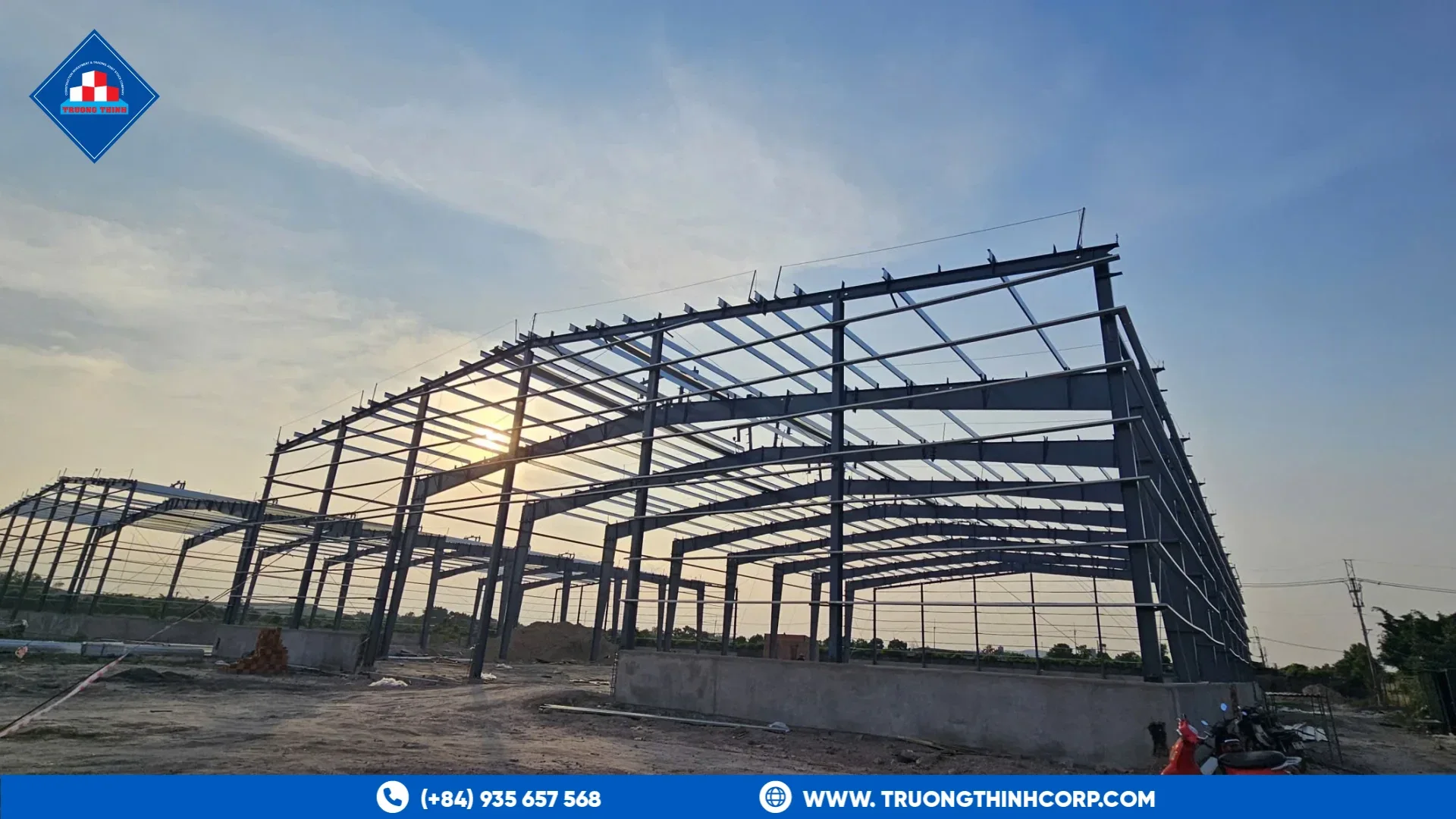
In the workshop, fixed welding bays with screens and extraction are normal. On site, hot work moves with the crew, so the permit and fire watch matter more. Site welds and cutting happen at height, where sparks fall far. Our guide to steel erection safety shows how hot work fits with lifting and fall protection.
Quality and safety together
Safe conditions also support weld quality. Clean, dry, wind-protected joints give better welds, as described in welding defects in structural steel. A controlled welding system includes the safety of the work area.
What to ask a contractor
When you compare each steel structure contractor, ask for the hot work permit procedure, the training of fire watch staff and the record of incidents. A contractor with a clear system will show it. Our guide to what a steel structure contractor provides explains the scope.
If you would like to review the safety plan for a fabrication or erection project, contact the engineering team and send the scope.
Frequently Asked Questions
Do I need a permit for every hot work task?
Often yes, outside designated areas. Follow the local rules and the site procedure.
How long should fire watch continue after hot work?
For the period set by the site rules, often an hour or more. Check the area again before leaving.
Is grinding hot work?
Yes, since it makes sparks. Treat it like welding for permit and fire watch purposes.
Free quotation · Reply within 24 working hours
Request a quotation for hot work safety
Tell us about your steel structure project. Our engineering and sales team will reply with a tailored proposal, usually within 24 working hours.
Need an answer faster? Call our engineers directly.
Mon–Fri 8:00–17:30 · Sat 8:00–12:00 (GMT+7)