

Steel erection safety depends on planning more than on equipment. The main risks are falls, falling objects, unstable frames and crane accidents. A written plan for each lift, a controlled work zone, fall protection and a clear stop-work rule prevent most of them. Local regulations apply, and the site safety officer has the final say.
Why erection is the riskiest stage
During erection the structure is incomplete. Members stand with few connections, and workers are at height. A frame that is stable when finished may not be stable half-built. Our guide to erection sequence and temporary stability explains why bracing and sequence come first. The wider field is described in this overview of occupational safety and health.
A steel erection safety plan
Before work starts, write down:
- The erection sequence and the temporary bracing for each stage
- Lift plans with crane position, radius, load weight and rigging
- Fall protection: harness points, nets, edge protection and access
- Exclusion zones under lifts and at the edges of the work
- Weather limits, including the wind speed at which lifting stops
- Emergency and rescue arrangements
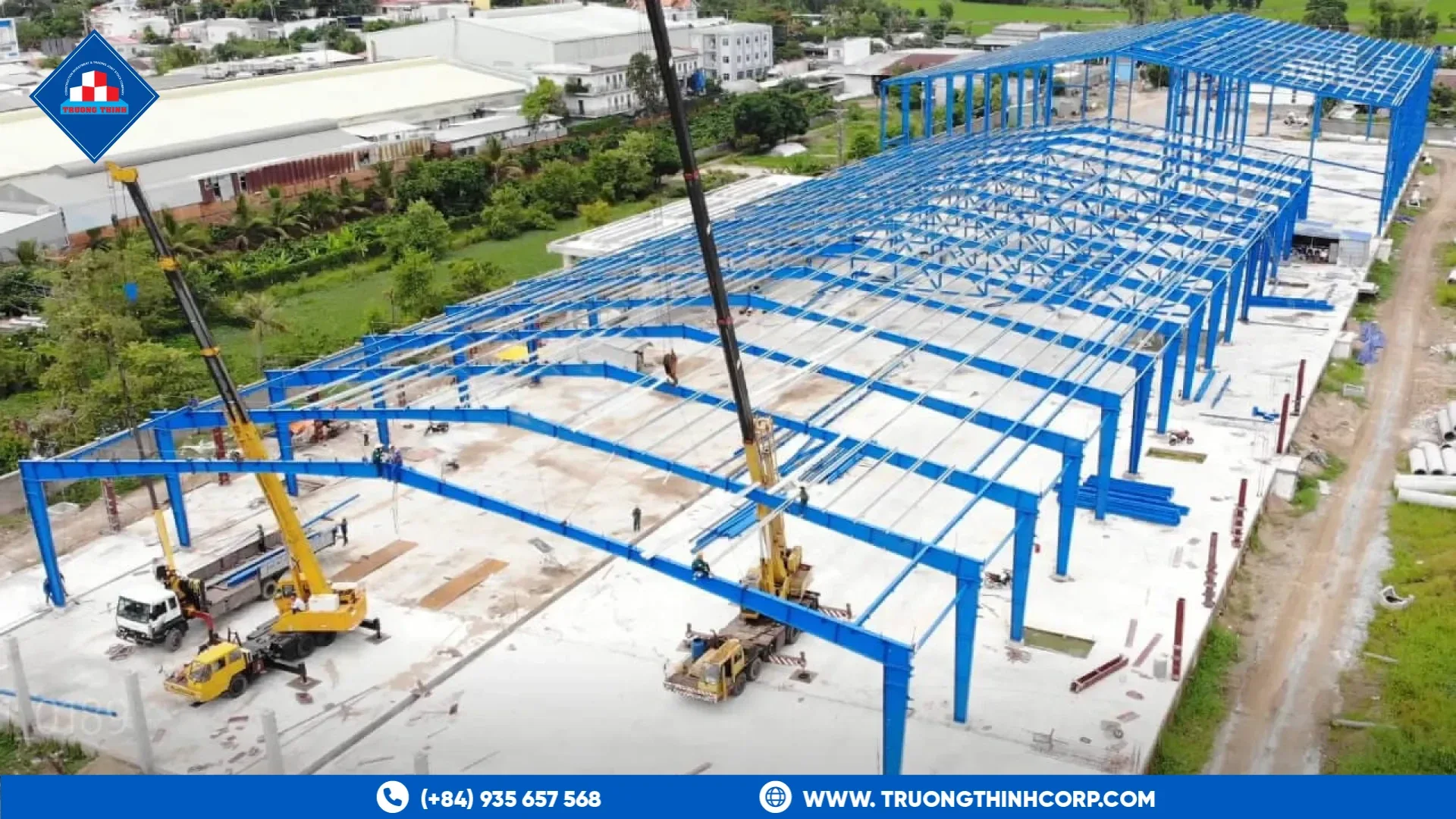
Lifting
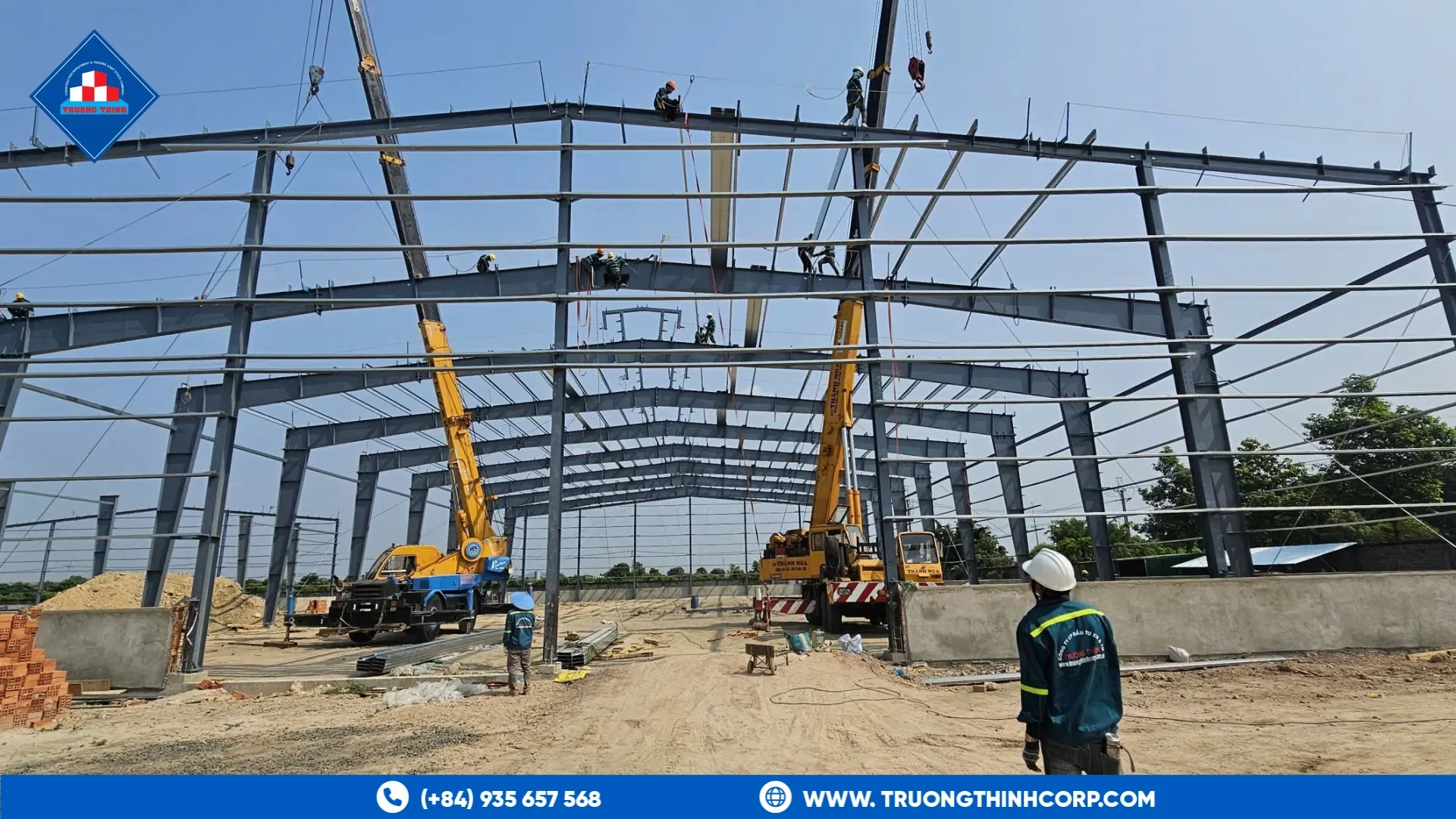
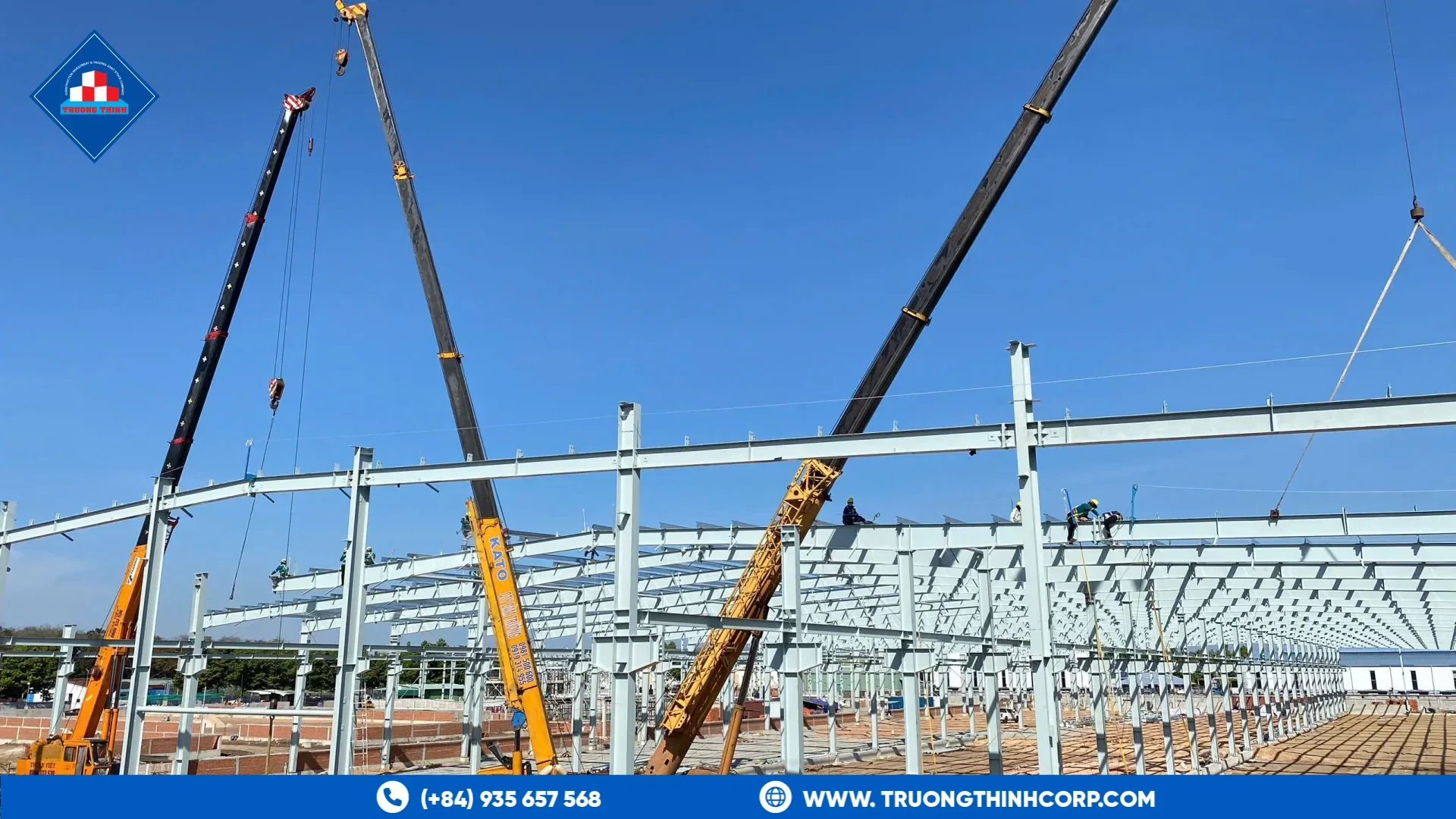
Check the crane's capacity at the working radius and the ground bearing under it. Inspect slings, shackles and lifting points. Keep everyone clear of the load, use tag lines and give signals by a trained signaller. Never leave a member only partly connected if it can swing or fall. Marked lifting points and clear piece marks help, as described in our article on steel member marking and packing lists.
Working at height
Provide safe access, such as platforms or lifts, so that workers are not walking on beams unprotected. Anchor points must be strong enough and placed before the work. Tools and bolts should be secured against falling. In windy conditions, small sheets and loose items can become hazards.
Foundations and bases
Safe erection starts at the ground. Anchor bolts, base plates and grout must be ready before the columns arrive, since poor bases make columns unstable. See anchor bolts and base plates.
People and roles
Everyone on site needs to know the plan, their role and the rule to stop work when something looks wrong. Training and supervision matter as much as equipment. A steel structure contractor that carries fabrication and erection under one contract can plan the marks, the sequence and the lifts together. Our guide to what a steel structure contractor provides explains the scope.
Daily routine on site
Start each day with a short briefing that covers the lifts planned, the weather and any changes to the sequence. Inspect equipment before use and record the inspection. At the end of the day, leave the structure stable and secure loose items. A fixed routine makes safe habits automatic and shows that steel erection safety is managed, not left to chance.
What to ask a contractor
- Can you show a sample erection plan and lift plan?
- Who supervises the erection, and what is their experience?
- How do you manage fall protection and exclusion zones?
- What are your weather limits?
If you would like to review the erection plan for a project, contact the engineering team and send the drawings and the site conditions.
Frequently Asked Questions
Who is responsible for safety on a steel erection site?
The contract and the law decide. Usually the erection contractor is responsible for its work, and the main contractor coordinates the site.
When should lifting stop for wind?
At the limit set in the lift plan and the crane manufacturer’s data. Set a limit in advance and follow it.
Is temporary bracing really needed?
Yes. The frame is not stable until enough members are connected and braced. The engineer specifies the temporary works.
Free quotation · Reply within 24 working hours
Request a quotation for steel erection safety
Tell us about your steel structure project. Our engineering and sales team will reply with a tailored proposal, usually within 24 working hours.
Need an answer faster? Call our engineers directly.
Mon–Fri 8:00–17:30 · Sat 8:00–12:00 (GMT+7)