

A built-up H-beam is welded from steel plates, so its depth, flange width and thickness can be chosen to match the load. A hot-rolled H-beam comes from a mill in standard sizes. The better choice depends on whether a standard section fits the design, how long the beam must be, and how the project is scheduled.
What a built-up H-beam is
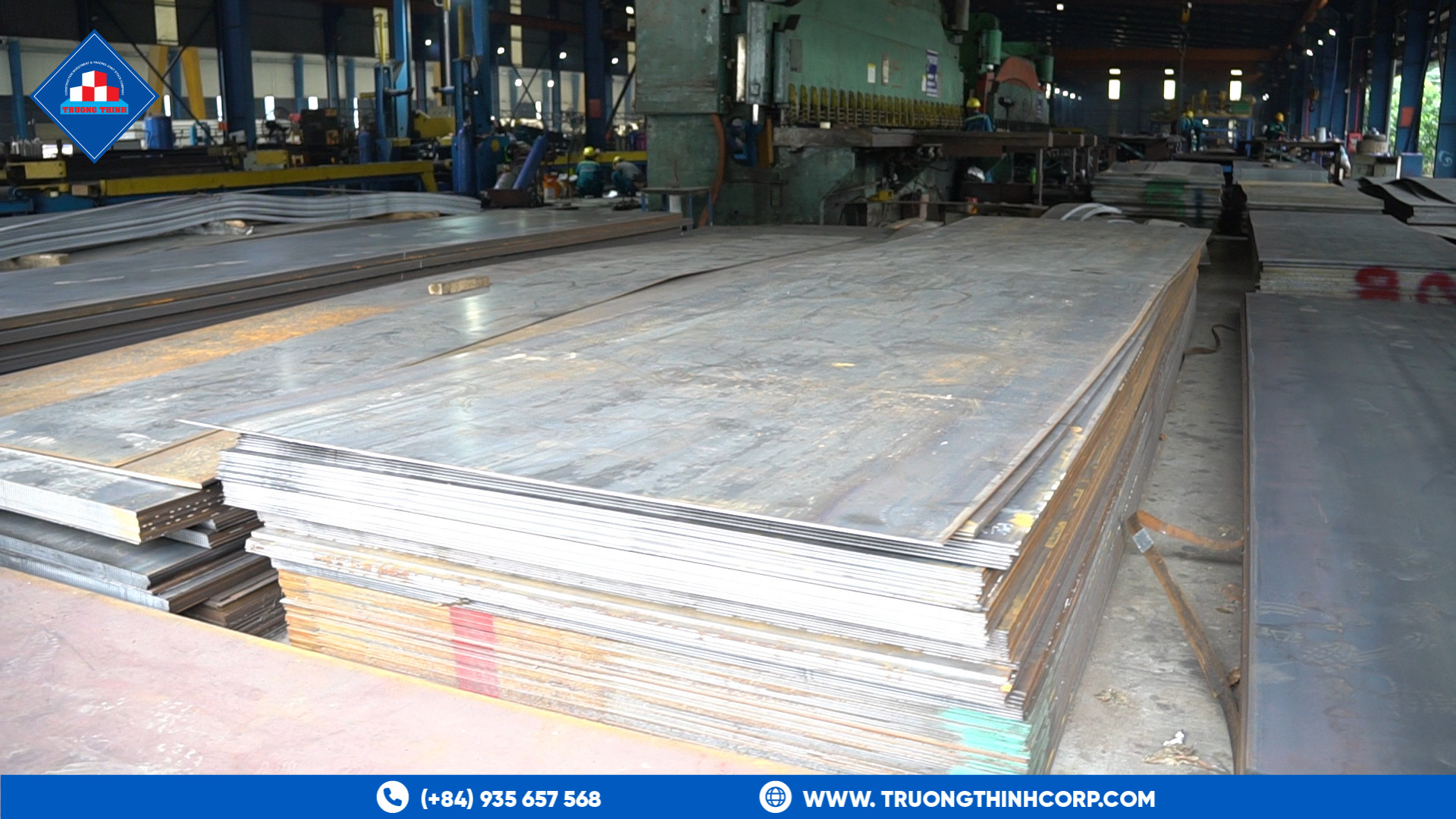
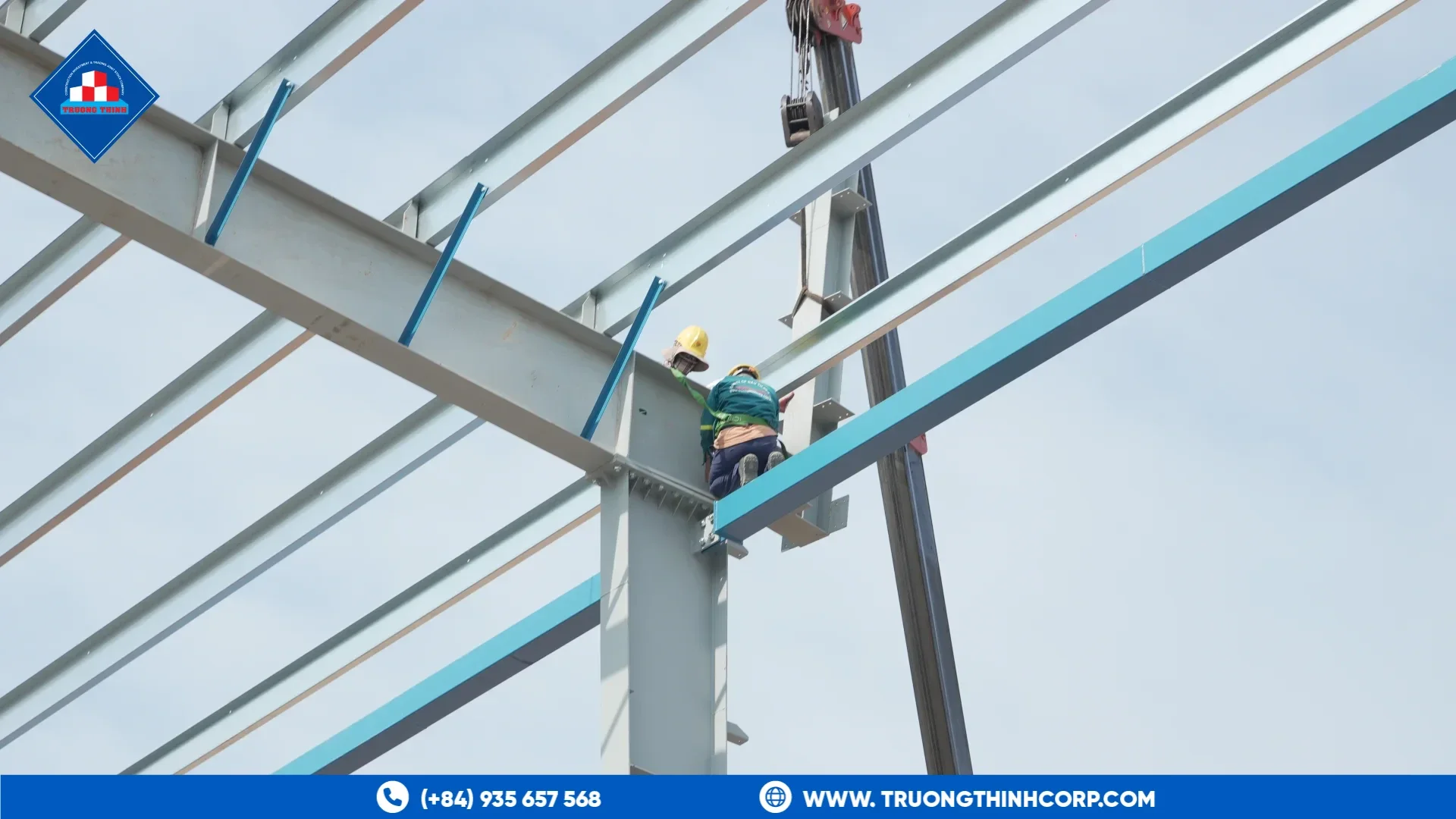
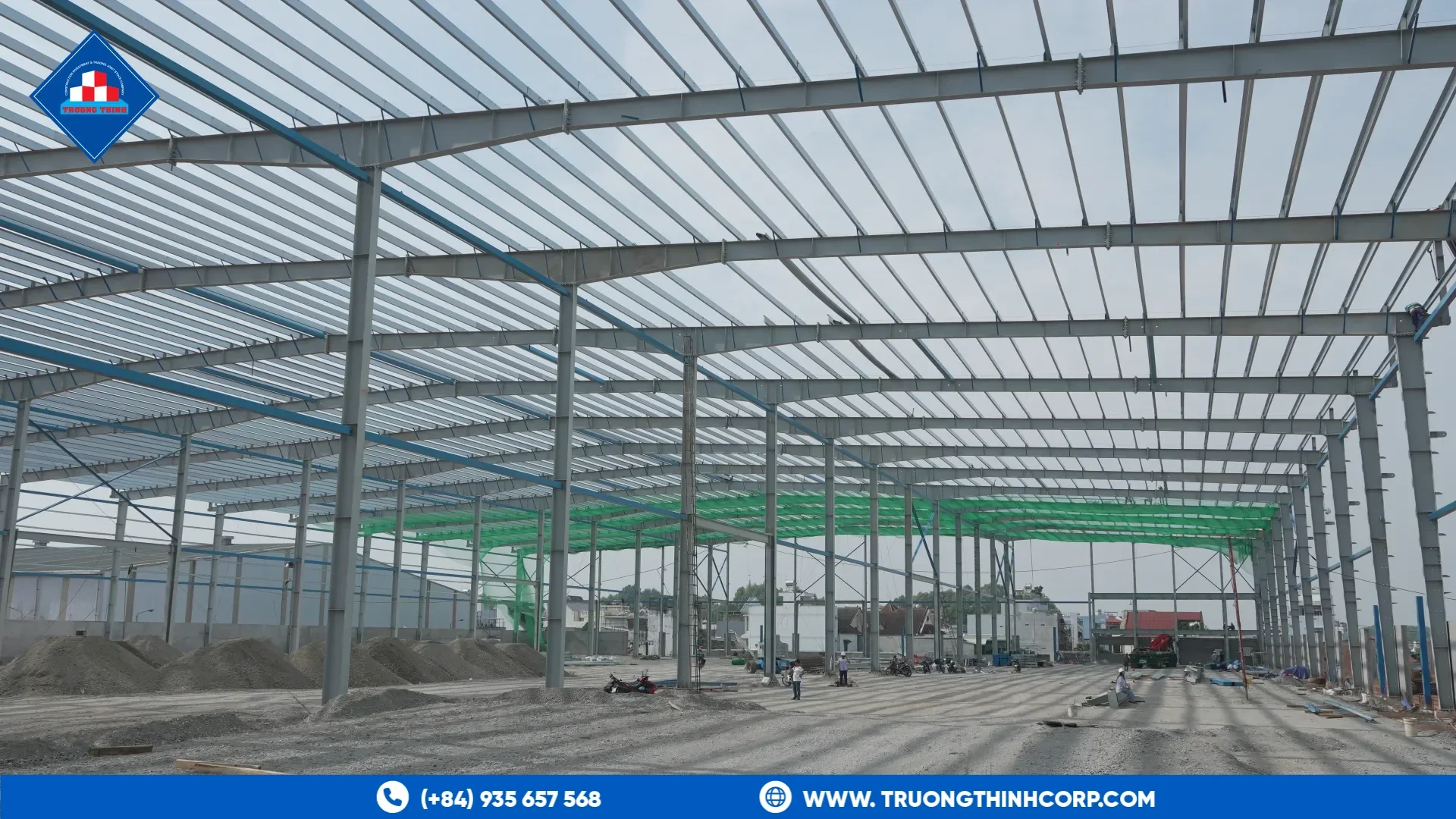
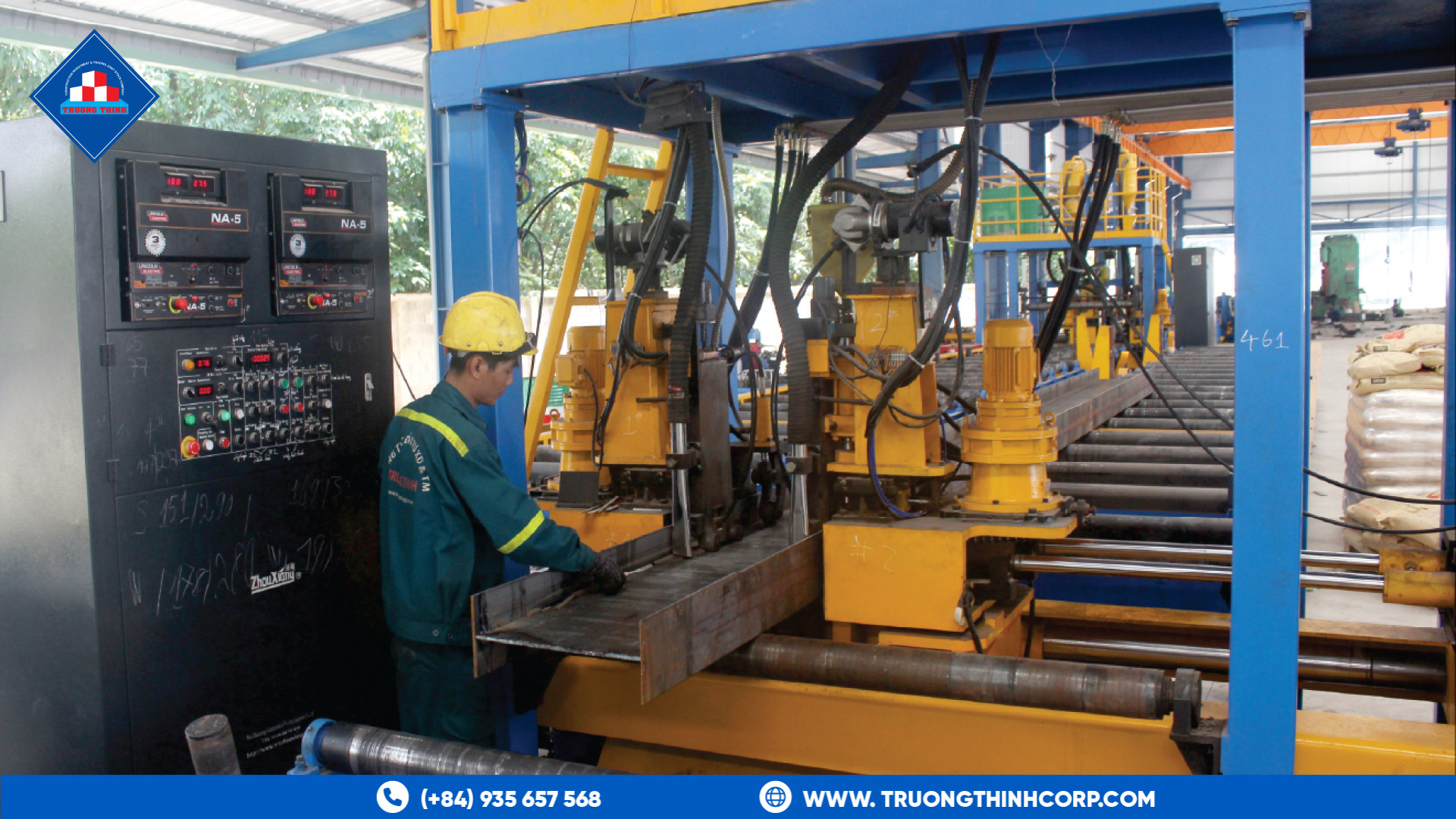
A built-up H-beam is made by welding two flange plates to a web plate. Because the plates are cut to the design, the designer can change the web depth along the member, use a thinner web where shear is low, or select different flange sizes at the top and bottom. This is how the tapered rafters and columns of pre-engineered steel buildings are made.
Hot-rolled sections follow standard sizes and are produced in the range of grades and lengths that a mill offers. A general description of common structural steel sections and grades shows how widely they are used.
When built-up sections make sense
- Long spans and deep members, where the required depth is beyond the standard range
- Tapered members, where the moment diagram allows material to be removed away from the high-moment zone
- Special flange sizes, for example to connect to a particular base plate or crane rail
- Repeated frames, where the saving in steel repeats across many bays
Our guide to pre-engineered steel buildings versus conventional steel buildings explains where tapered built-up frames fit.
When hot-rolled sections are the simpler choice
Hot-rolled beams suit moderate spans, secondary framing and short members where a standard size is enough. There is no long weld to inspect, and the fabrication is mostly cutting, drilling and connection work. For a small project, the time saved in welding can outweigh the material saved by a tailored section.
What to check in a welded section
The strength of a built-up beam depends on the weld, so the weld quality matters more than it does for a rolled beam. Ask the fabricator for:
- The welding procedure and welder qualifications used for the web-to-flange weld
- The inspection method and records, including visual and non-destructive testing where required
- The straightness and camber tolerance after welding, and how distortion is corrected
- Material traceability from the plate to the finished member
Our guide to bolted and welded connections covers how connection welds are checked.
How Truong Thinh fabricates beams
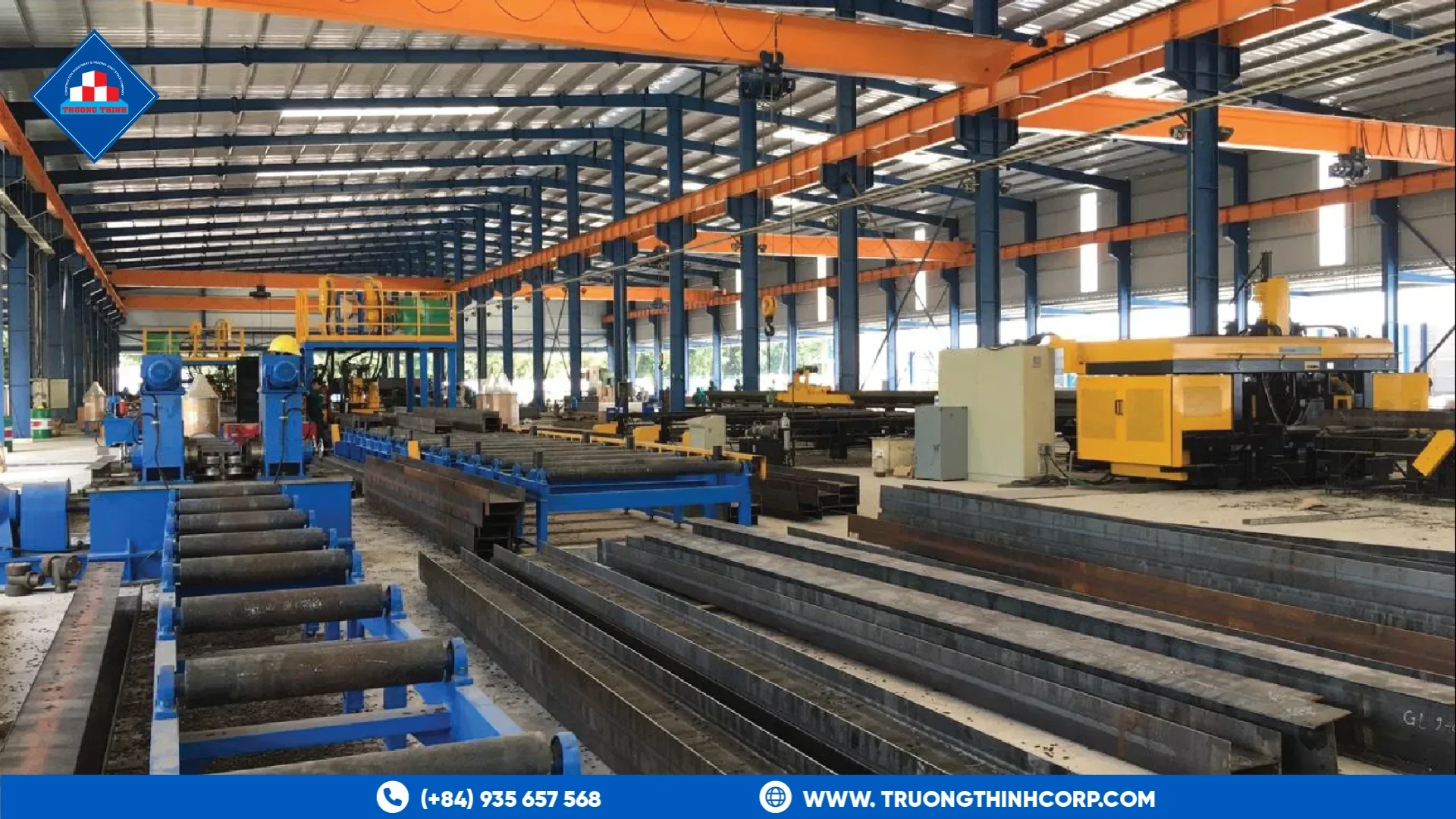
At Truong Thinh, built-up H-beam sections are fabricated from plate in the Vinh Tan factory, and the quality control department inspects dimensions and welds to AWS D1.1 before delivery. The factory holds ISO 9001:2015 and an EN ISO 3834-2:2021 welding quality certificate issued by Bureau Veritas, as listed on the company facts page. For the process from model to delivery, see steel beam fabrication for H-beam and built-up sections.
If your project needs fabricated beams, send the drawings, the grade and the delivery window, and request a fabrication quotation from our engineering team.
Frequently Asked Questions
Is a welded plate beam weaker than a hot-rolled one?
Not by nature. A built-up beam is designed and checked to carry its load like any other member. Its quality depends on the weld and on inspection, which is why records matter.
Can a welded section be tapered?
Yes. Tapering is one of the main reasons to use built-up sections, because the web depth can follow the bending moment along the member.
Which is faster to supply?
It depends on the project. Standard rolled sizes can be quick when they are in stock, while built-up members are made to order and need shop drawings. Ask for a schedule that includes drawing approval.
Free quotation · Reply within 24 working hours
Request a quotation for built-up h-beam
Tell us about your steel structure project. Our engineering and sales team will reply with a tailored proposal, usually within 24 working hours.
Need an answer faster? Call our engineers directly.
Mon–Fri 8:00–17:30 · Sat 8:00–12:00 (GMT+7)