

The steel structure cost per square meter is one of the most asked questions in the industry, and one of the hardest to answer in a sentence. A single figure hides the span, the loads, the steel weight, the coating, the location and the scope. This article explains what drives the number, so that you can compare quotations fairly. We do not quote prices here, because they depend on the project and change with the market.
Why one figure is misleading
Two buildings of the same floor area can differ greatly in steel weight. A long-span building with a crane needs heavier members than a small storage shed. A quote that includes foundations, cladding and erection costs more than one for the frame only. Comparing figures without the scope is like comparing cars without knowing the model. The method of cost estimation always starts from the scope.
What drives the steel structure cost per square meter
- Steel weight per square meter. The main driver. It depends on the span, the bay spacing, the roof load, the wind speed and any crane.
- Steel grade and sections. Higher grades or special sections cost more per ton.
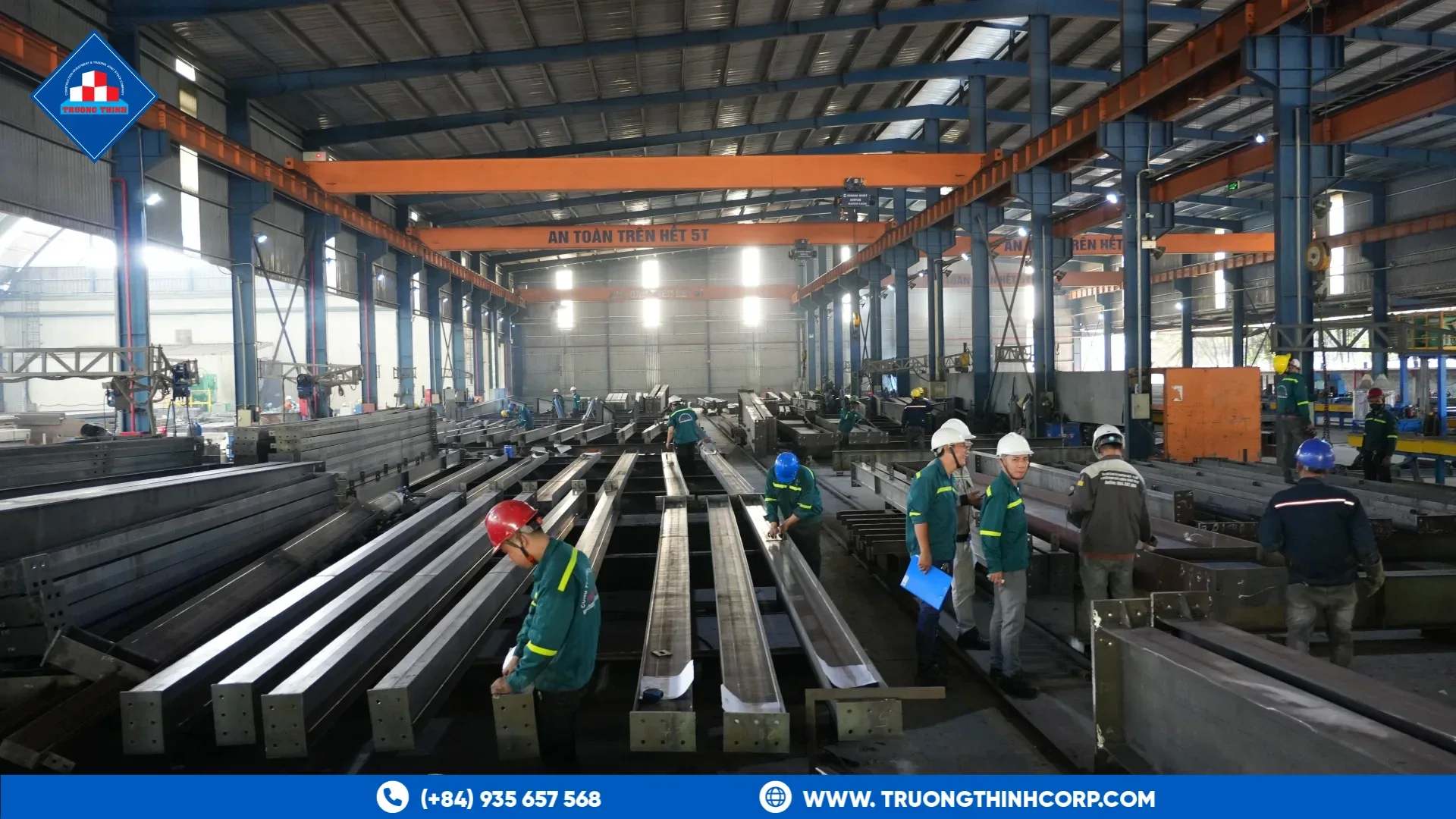
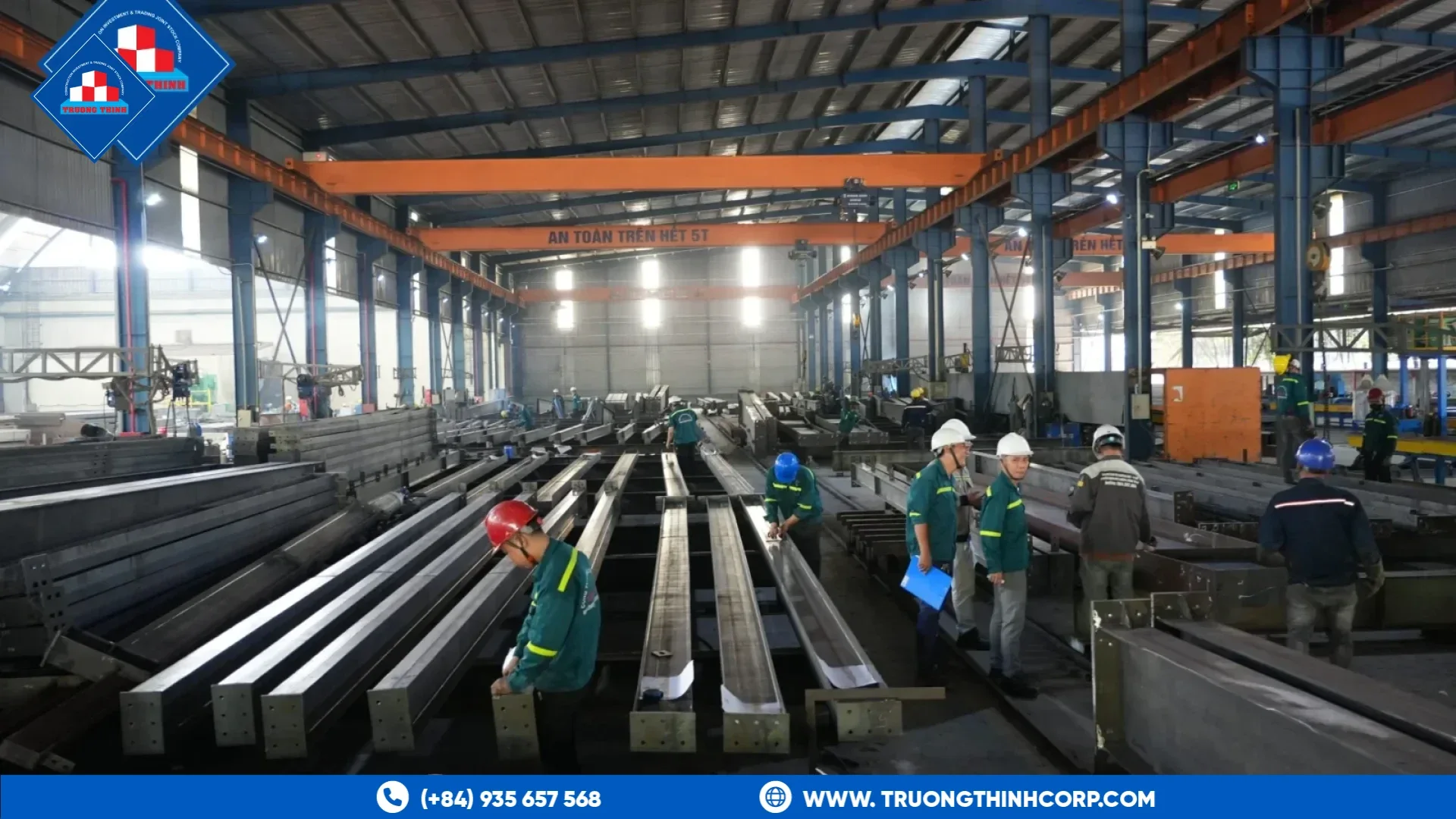
- Fabrication complexity. Welded built-up members, many connections and detailing cost more labor than simple parts.
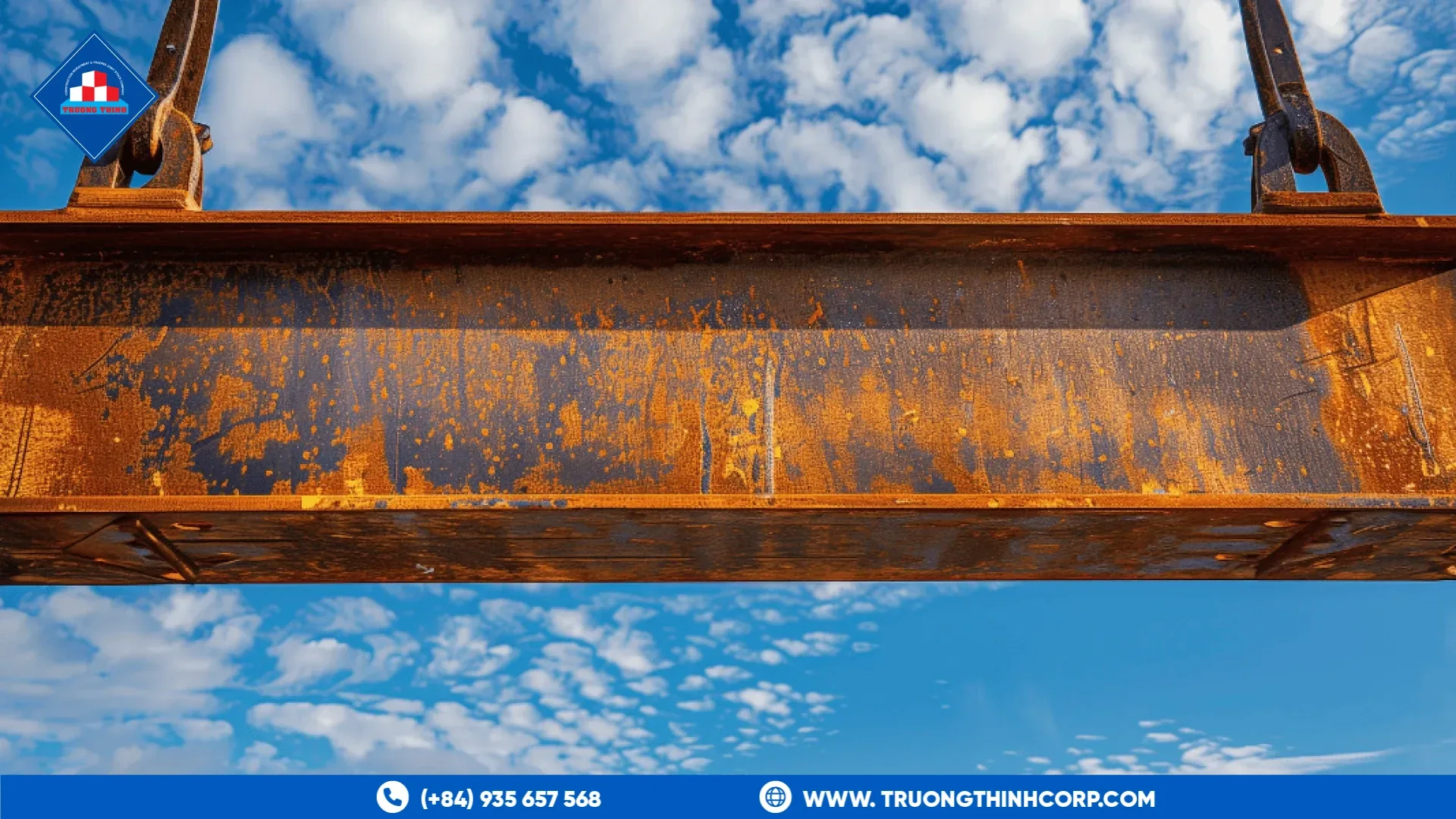
- Coating system. Galvanizing or multi-coat paint costs more than a basic primer. See galvanized vs painted steel.
- Scope. Frame only, or also purlins, cladding, doors, gutters, erection and transport.
- Location and logistics. Distance, access, shipping and site conditions.
- Schedule. Tight schedules cost more through overtime or parallel work.
- Market price of steel. It moves, so quotations have a validity period.
Our cost guide describes these factors in more detail.
What to compare in two quotations
Check the scope line by line, using the method in compare steel structure quotations. Ask whether the tonnage is net or gross, whether foundations are excluded, whether erection is included and which codes the design follows. Our guide to loads on a steel building explains why the same plan can weigh differently under different loads.
How to reduce the cost sensibly
- Choose an efficient span and bay spacing, with the designer.
- Use tapered sections, where they save steel. See steel portal frame basics.
- Standardize connections and members.
- Avoid late changes, which cost more than early ones.
- Match the coating to the exposure, neither too light nor too heavy.
- Plan the schedule well, as shown in steel structure project schedule.
What a budget range needs
To give a useful range, a supplier needs the building size, the use, the span, the location, the roof and wall type, any crane or heavy equipment and the scope. With a layout sketch and these answers, an early budget is possible, and a firm quotation follows from drawings. Do not rely on a figure from another project or country.
What to ask a steel structure manufacturer
Ask each steel structure manufacturer what the quotation includes, what it assumes and how it will handle changes. Our guide on how to choose a steel structure manufacturer lists more questions, and our RFQ guide shows what to send.
To get a figure for your own building, send the drawings or a layout sketch, and request a fabrication quotation from our engineering team.
Frequently Asked Questions
Why do you not give a price per square meter?
Because it depends on the project. A figure without the span, loads and scope would mislead you. Send your details for a proper estimate.
Is steel structure cost per square meter lower for bigger buildings?
Often some costs spread over a larger area, but longer spans and heavier loads can offset it. Each project is different.
Do prices change quickly?
Steel prices move with the market, so quotations carry a validity period. Ask how long the price holds.
Free quotation · Reply within 24 working hours
Send your project details to our engineering team
Tell us about your steel structure project. Our engineering and sales team will reply with a tailored proposal, usually within 24 working hours.
Need an answer faster? Call our engineers directly.
Mon–Fri 8:00–17:30 · Sat 8:00–12:00 (GMT+7)