

Which steel is best for a residential building is one of the most important questions homeowners and developers face before starting construction. The best steel is not necessarily the most expensive option, but the one that meets structural design requirements, complies with technical standards, and performs reliably in the building’s environmental conditions. Selecting the right steel ensures structural safety, durability, and long-term cost efficiency. This guide analyzes the key technical standards, practical selection criteria, quality verification methods, and real-world construction considerations that lead to the right choice.
1. Technical standards that define which steel is best for a residential building
Understanding the technical standards that govern steel quality is the essential starting point for any selection decision. These standards determine mechanical strength, consistency, and suitability for structural applications — without this foundation, steel selection becomes a guess rather than an engineering decision.
1.1 Understanding steel grades and SD, CB classifications
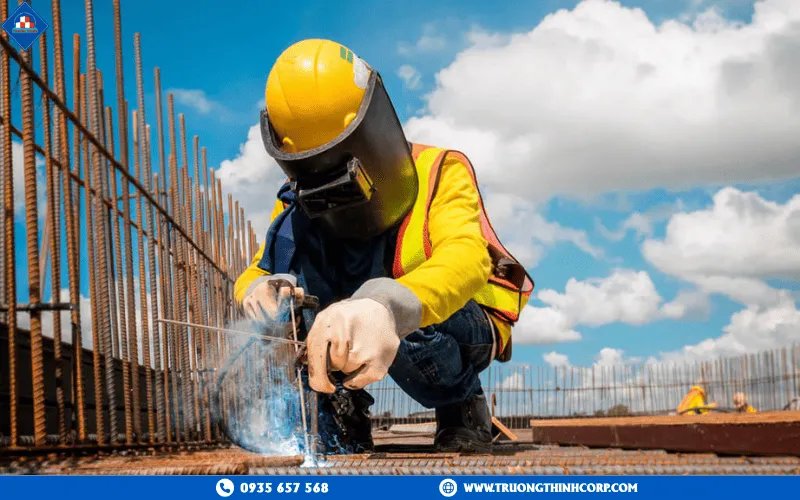
Steel grades such as CB300-V, CB400-V, or SD390 indicate the yield strength and tensile strength of construction steel. These parameters directly affect how steel resists loads, deformation, and long-term stress. In residential buildings, choosing the correct steel grade ensures that foundations, columns, beams, and slabs can safely support the structure throughout its service life. Steel grade is therefore a primary factor in any residential structural specification.
1.2 Differences between deformed steel bars and steel wire rods
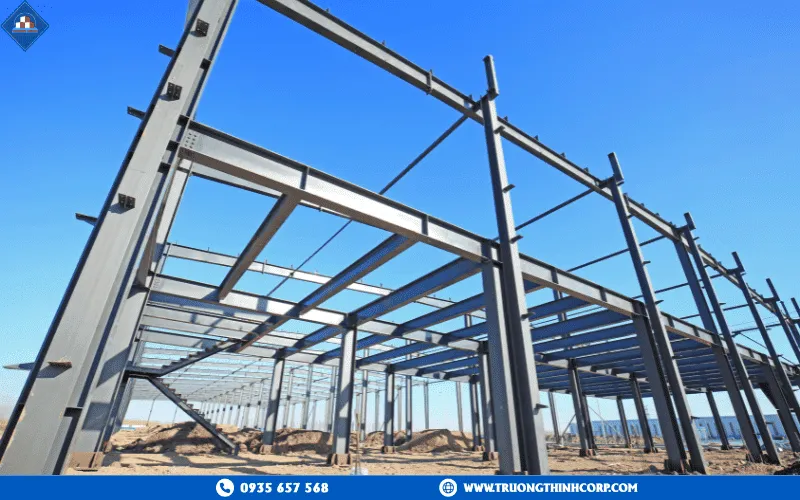
Deformed steel bars and steel wire rods play different roles in residential construction. Deformed bars, with ribbed surfaces and larger diameters, are used as main load-bearing reinforcement in structural elements. Steel wire rods, with smaller diameters and higher flexibility, are commonly used for stirrups and secondary reinforcement. Understanding this distinction helps match the right steel product to specific structural functions rather than making decisions based on price alone.
1.3 National and international standards for residential steel
Construction steel used in residential buildings must comply with recognized national and international standards. These standards define chemical composition, mechanical performance, dimensional tolerance, and testing methods. Compliance ensures consistency, safety, and legal acceptance — making conformity with standards a critical benchmark in every steel selection decision.
2. How to choose the right steel for your residential project
Selecting the right construction steel for a residential project requires balancing technical performance with economic efficiency. Practical selection depends on structural design, environmental exposure, and smart budget allocation, all of which directly influence long-term building performance.
2.1 Structural design requirements and steel strength
The structural design determines steel grade, diameter, and quantity. Low-rise houses typically require moderate-strength steel, while multi-storey residential buildings demand higher-grade reinforcement. Strictly following structural drawings ensures that steel performs as intended. Using under-specified steel can compromise safety, while over-specification may unnecessarily increase costs — making correct alignment with design drawings an essential first step.
2.2 Environmental conditions and corrosion resistance
Environmental exposure significantly impacts steel durability. In humid climates, coastal areas, or industrial environments, standard carbon steel may corrode more rapidly. In such cases, galvanized steel or corrosion-resistant steel solutions offer longer service life and reduced maintenance. Environmental suitability is therefore a decisive factor in selecting the appropriate grade and surface protection for each project.
2.3 Optimizing budget between main and secondary steel
Cost-effective selection focuses on performance where it matters most. High-quality steel should always be prioritized for primary load-bearing components such as columns, beams, and foundations. Secondary reinforcement may allow more flexibility, provided it still meets technical standards. This strategic allocation achieves both structural safety and budget efficiency without compromising on reliability.
3. How to verify steel quality for residential construction
Even after choosing the correct steel type, verifying delivered materials is essential to ensure compliance with specifications. Quality control protects against counterfeit products and ensures structural reliability.
3.1 Identifying genuine construction steel
Authentic residential construction steel carries clear manufacturer markings, embossed brand identifiers, and traceable labels. These details confirm origin and quality consistency, helping prevent the use of imitation or substandard steel that may compromise building safety.
3.2 Strength testing and certification
Independent laboratory testing, including tensile and yield strength tests, provides objective verification that steel meets the specified grade. Requesting test certificates from suppliers is a professional practice that confirms compliance and protects the buyer from substandard materials.
3.3 Proper steel storage on construction sites
Improper storage can reduce steel quality even before installation. Steel should be elevated off the ground, protected from moisture, and shielded from direct exposure to harsh weather. Proper storage preserves surface integrity and ensures strong bonding with concrete.
In conclusion, choosing the right steel for a residential building requires a comprehensive approach that considers technical standards, structural suitability, environmental conditions, brand reliability, and quality certification. Making the right choice goes beyond price comparison and focuses on long-term safety, durability, and value. To ensure accurate steel selection and professional execution for your project, homeowners and developers are encouraged to work with experienced specialists. For personalized consultation and verified solutions, please contact our team to receive expert guidance tailored to your residential construction needs.
Building a steel-framed home or residential block?
Truong Thinh Corp fabricates precise steel frames for houses and residential buildings — durable, design-flexible and fast to build. Talk to our engineers for a free quotation.
Frequently Asked Questions
Which steel is best for a residential building?
Standard structural steel with proper galvanizing or coating suits most homes; the ideal grade and protection depend on span, loads and local climate.
Are steel-frame homes durable?
Yes. Correctly protected structural steel resists corrosion and performs well for decades, including in humid and coastal environments.
Do steel residential buildings offer design flexibility?
Very much so. Steel enables open-plan layouts, large openings and modern architectural forms that are difficult in masonry or concrete.
Is steel construction suitable for multi-unit residential blocks?
Yes. Repetitive, fast, factory-made steel framing is well suited to apartment blocks and student or worker housing.