

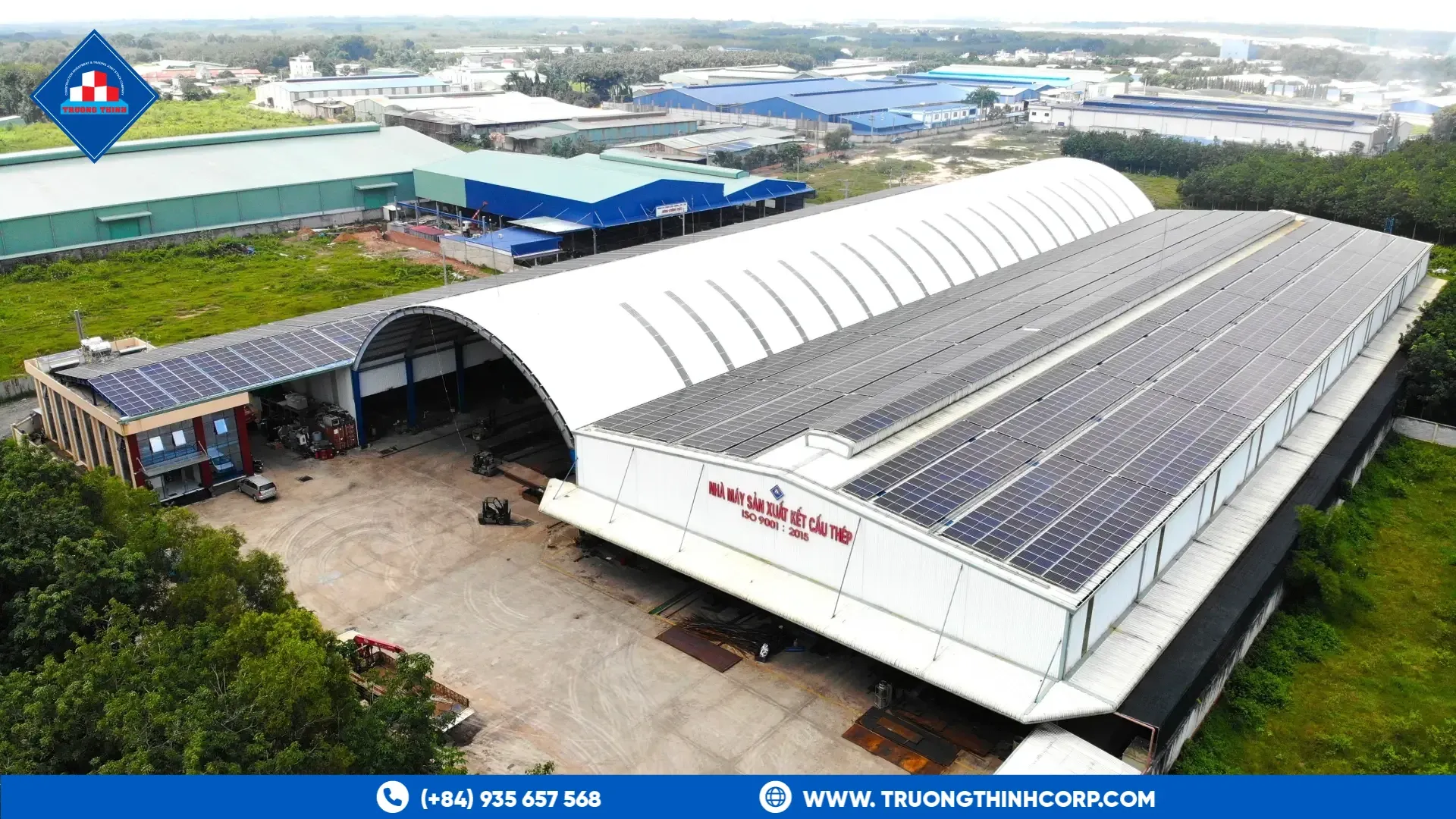
Rooftop solar on a steel roof adds weight, wind uplift and new fixing points to a structure that was designed for something else. The seven checks below come before any panel is ordered.
Before installation, the roof frame, the purlins and the cladding should be checked against the panel layout. A steel building is usually a good host, but only when the structural check is done first. The extra weight is often small, yet the wind and fixing details are what cause trouble, so they deserve the most attention in the review.
Rooftop solar on a steel roof: the 7 checks
Each check has a short answer, but only the engineer who knows the roof can close it.
1. The extra dead load
Panels, rails and clamps add a load across the roof. It is small compared with the roof's total capacity on many buildings, but not on every building. Older or lightly designed roofs may have little spare capacity, and a structural review is the only way to find out.
2. Wind uplift on the array
Tilted or flat-mounted panels change how wind acts on the roof. The uplift can increase near the roof edges and the corners. The wind design of the roof, described in our guide to wind uplift and roof bracing, must be rechecked with the array in place.
3. Purlin capacity
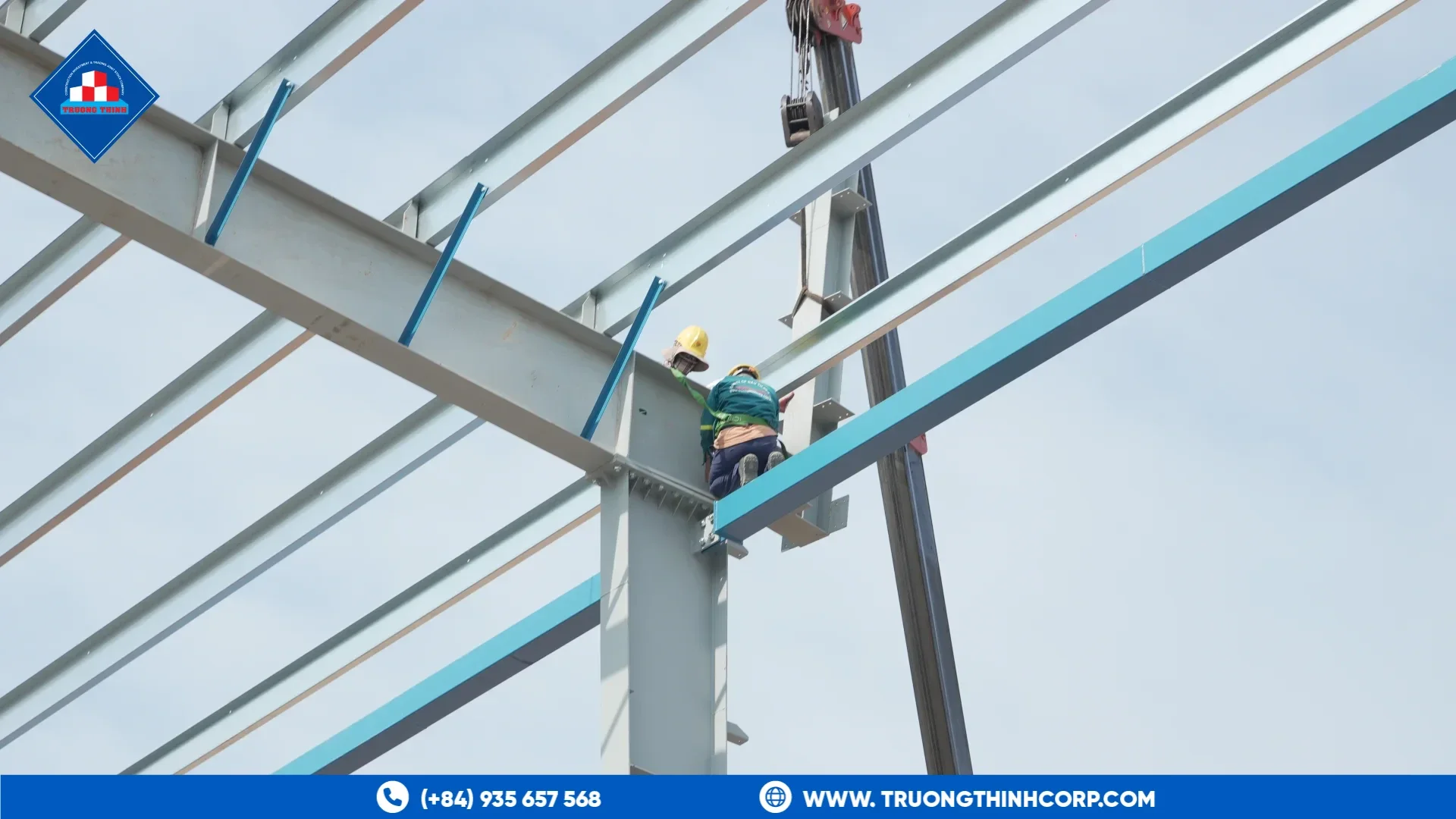
The rails usually connect to the purlins, so the purlins carry the panel load. Check the section, the span and the lap. The role of purlins in a roof is summarized in this note on how purlins support the roof sheeting, and our guide to C and Z purlins explains the two common sections.
4. Fixing points and water-tightness
Every fixing through the cladding is a possible leak. Use fixings and sealants approved for the sheet profile and keep them at the purlin lines. For standing-seam roofs, clamps that grip the seam avoid new holes, but the clamp capacity and the seam type still need checking.
5. Drainage and snow or debris
Panels can block the flow of water toward the gutters and trap dirt. Keep clear paths for water and check that the gutters can handle the flow from the added area.
6. Access and maintenance
Plan walkways, anchor points and safe access for cleaning and repair. Workers on a fragile roof need a defined path, and the panel layout should leave room for it.
7. Coating and corrosion
Mounting hardware in contact with galvanized or coated steel should be compatible to avoid galvanic corrosion. In coastal sites, the coating matters more, as explained in our article on corrosion-resistant steel structures.
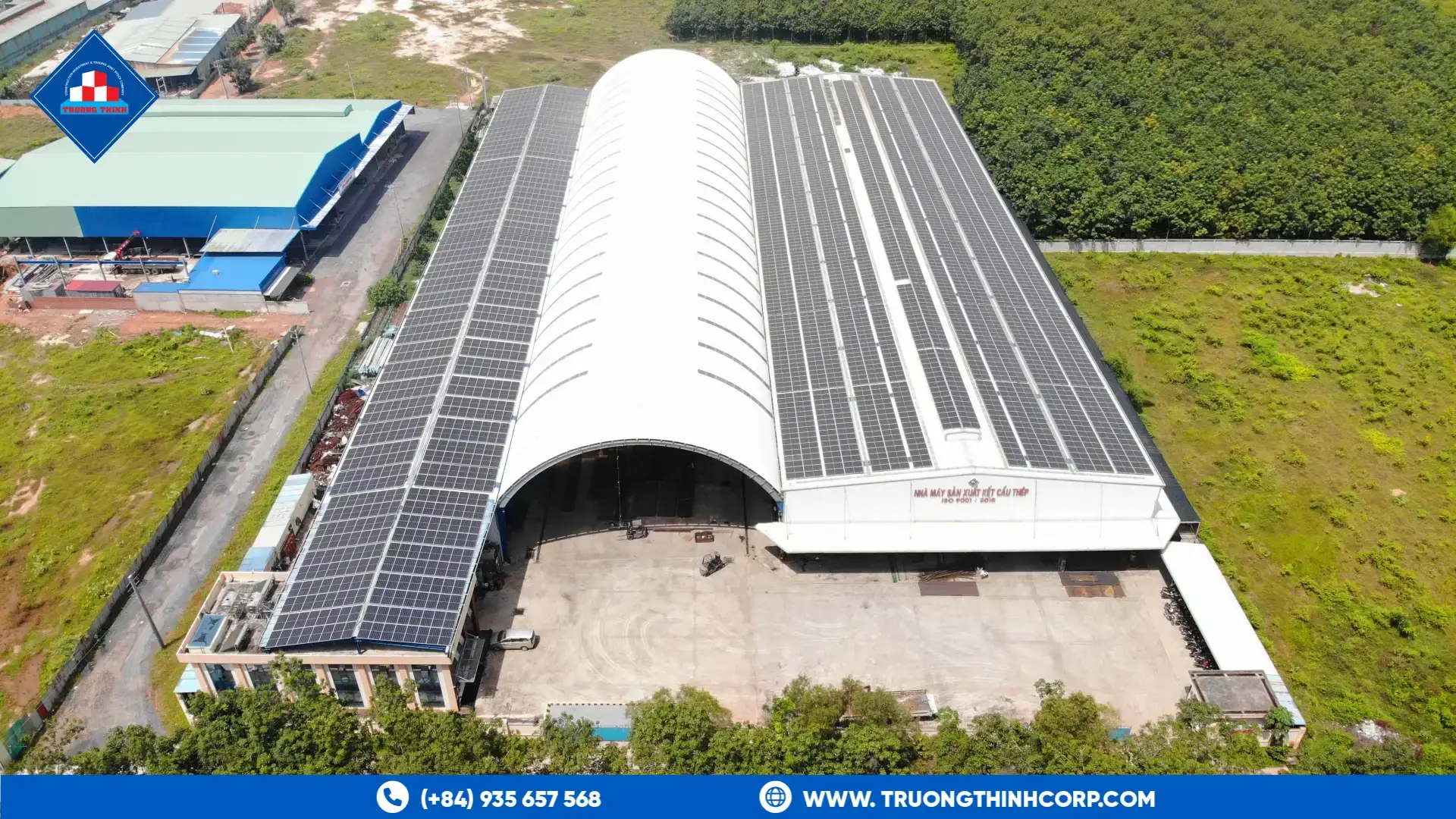
Rooftop solar on a new steel building
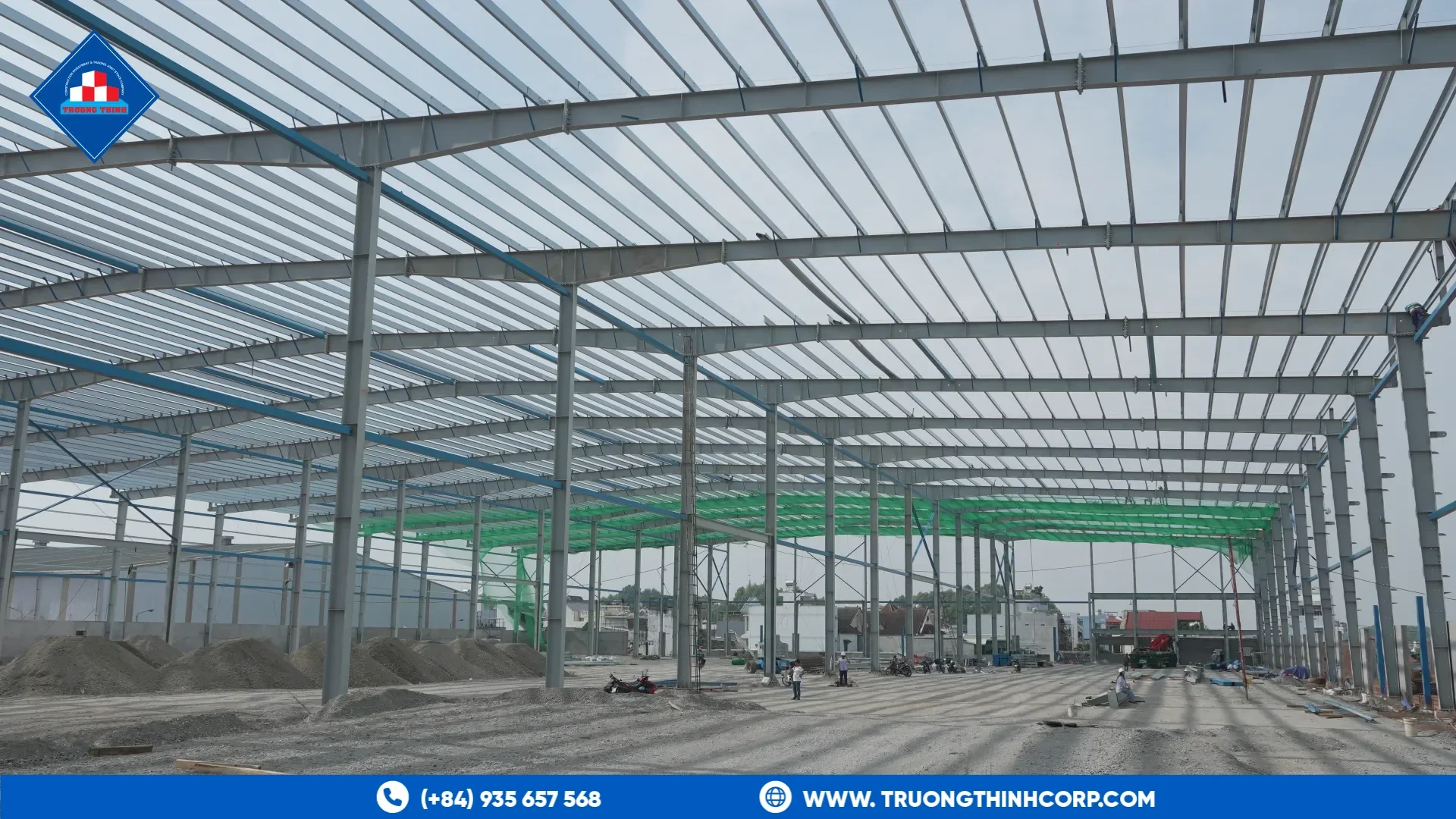
For a new factory or warehouse, tell the designer about the planned panels at the start. Designing the roof for solar from the beginning is simpler than strengthening it later. Our page on the industrial steel building describes how we approach factory frames, and our guide to steel structures for solar farm mounting covers ground-mounted frames.
If you are adding solar panels to an existing steel roof, share the roof drawings, the panel layout and the site location, and discuss your structural design requirements with our engineering team.
Frequently Asked Questions
Can any steel roof take solar panels?
No. The roof must be checked for the extra load, the wind uplift and the fixing method. Many roofs can, but the check decides.
Do solar panels need roof bracing?
The roof’s existing bracing must still resist the building’s wind loads. The array can change those loads, so the engineer should review the bracing as well.
Should the roof be inspected before installation?
Yes. Check the cladding, the purlins and the fixings for corrosion and damage, and repair them before the panels are added.
Free quotation · Reply within 24 working hours
Request a quotation for rooftop solar on a steel roof
Working on a bridge, port facility, pipe rack or solar mounting project? Share your drawings or specifications and our engineers will prepare a detailed fabrication quotation.
Need an answer faster? Call our engineers directly.
Mon–Fri 8:00–17:30 · Sat 8:00–12:00 (GMT+7)