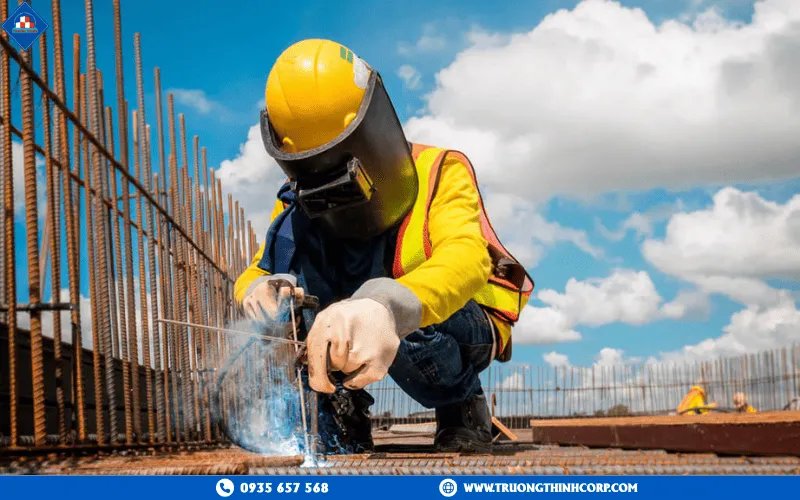


Keeping project progress on track is one of the hardest promises to deliver in construction, because weather is unpredictable and every lost day adds cost. At Truong Thinh Corp, adverse weather is treated not as an excuse but as a test of planning and discipline. Here is how our team protects the schedule — and why an off-site-fabricated steel structure is inherently more weather-resilient than site-poured concrete.
1. Flexible, weather-aware construction planning
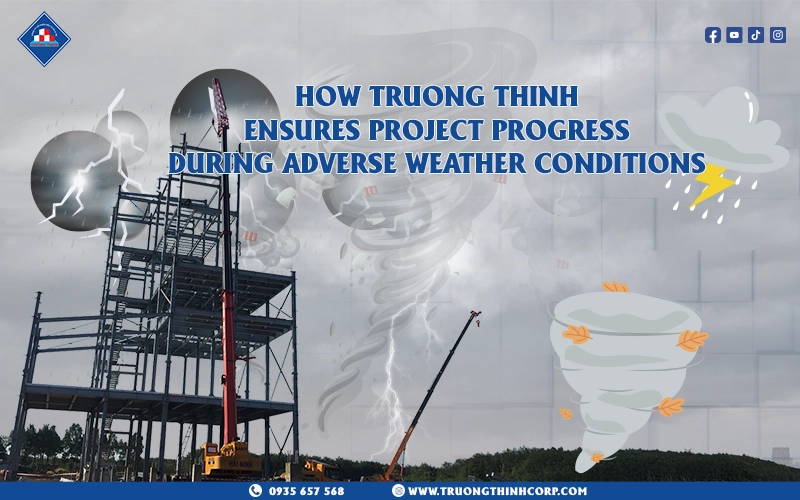
From the preparation stage, Truong Thinh builds weather into both the master and detailed schedules. Using meteorological data and local experience, timelines are adjusted proactively — accelerating outdoor work in favorable windows and recovering progress the moment conditions allow. We always prepare 2–3 backup scenarios for prolonged rain, storms or extreme heat.
2. Modern equipment and digital project management
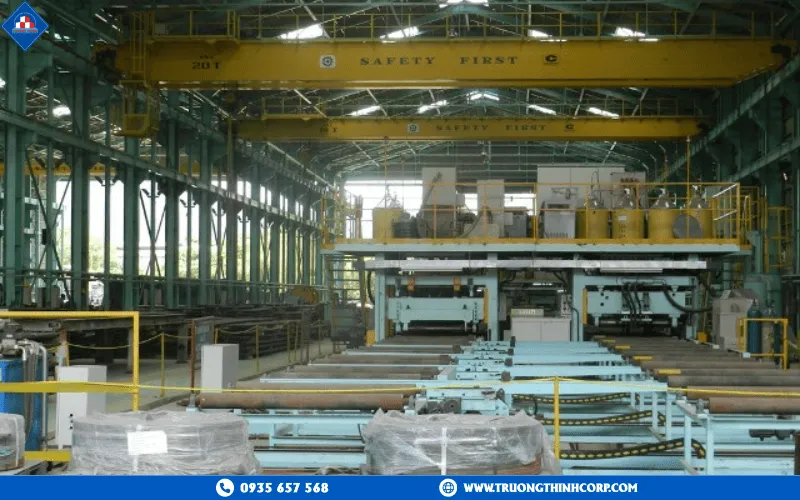
Investment in equipment that can operate in light rain or on difficult terrain minimizes downtime, while a digitalized management system tracks progress and allocates manpower and materials efficiently. Crucially, much of the work happens in our controlled fabrication workshop — so rain on site does not stop production.
3. Timely workforce and material backup
We maintain contingency plans for overtime labor and essential materials to respond quickly to sudden weather changes, with teams working in flexible shifts. Unlike contractors that depend on third parties, Truong Thinh runs its own factories and warehouses, ensuring proactive material reserves during rainy seasons or periods of limited transport.
4. Uncompromising workplace safety
Deadlines matter, but worker safety comes first. In heavy rain, strong winds or extreme heat, we conduct risk assessments and temporarily suspend work to protect our people. When construction resumes, activities are reviewed for full technical and safety compliance.
5. Transparent communication with stakeholders
We keep project owners informed with regular progress reports, clear explanations of any delays, and corrective measures. This transparency builds trust — especially during force-majeure events such as storms or floods.
How steel structures protect project progress
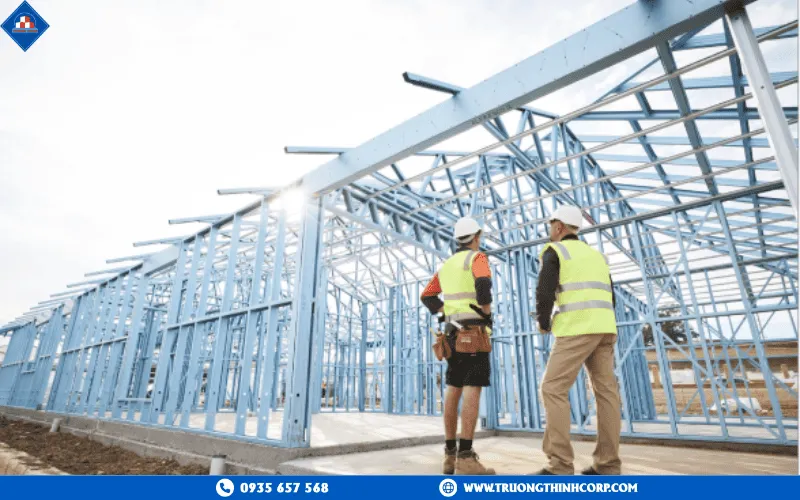
Because steel components are fabricated off-site and simply bolted together on-site, a steel project loses far fewer days to weather than concrete, which needs dry conditions to pour and cure. Combined with proactive planning, this is how Truong Thinh consistently protects project progress and delivers on time. Learn more about the advantages of steel structures.
Worried about your build schedule?
Tell us your project and deadline. Truong Thinh Corp will propose a weather-resilient steel structure plan with a firm timeline — engineers reply within 24 hours.
Frequently Asked Questions
How does Truong Thinh keep project progress on schedule during bad weather?
Through weather-aware planning with 2–3 backup scenarios, off-site fabrication that continues regardless of site conditions, in-house material reserves, and flexible shift work to recover lost time safely.
Do steel structure projects suffer fewer weather delays than concrete?
Yes. Steel is fabricated in the workshop and bolted on-site, so it avoids the wet-weather constraints of pouring and curing concrete — a major advantage for keeping project progress on track.
What happens to fabrication during the rainy season?
Fabrication takes place inside Truong Thinh’s covered factories, so production of columns, beams and frames continues uninterrupted even when on-site work must pause.