

Green Steel Powered by Hydrogen
Stegra is transforming the steelmaking process by replacing coal with green hydrogen in direct reduction. This method cuts up to 95% of total CO₂ emissions from steel production. Its new 2.5-million-ton-per-year plant in Northern Sweden benefits from abundant, low-cost hydropower, ensuring sustainable and affordable operations.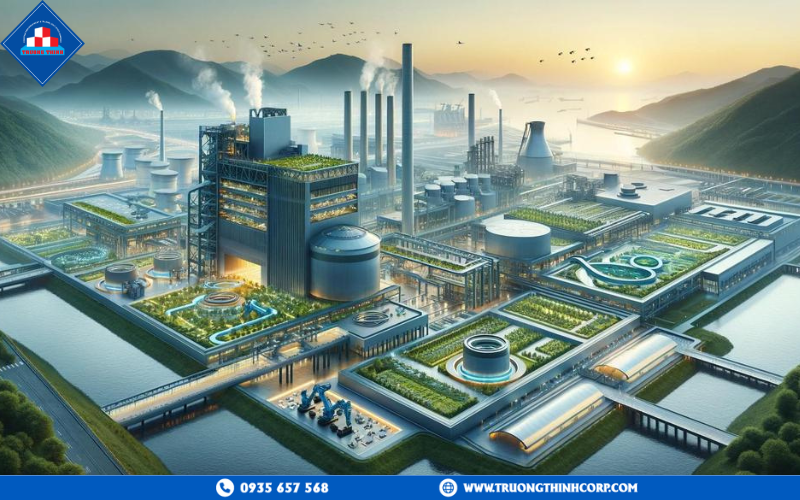
Low-Carbon Cement from Silicate Minerals
Brimstone tackles cement’s process emissions by eliminating limestone from production. Using calcium silicate rocks, the company produces ordinary Portland cement identical in performance but with around 60% fewer emissions.Its process also yields supplementary cementitious materials and alumina, creating diversified revenue streams. With backing from Amazon’s Climate Pledge Fund, Brimstone aims to scale production and reach cost parity with conventional cement.A Shift Toward Sustainable Materials
Industry leaders agree that demand for green steel and low-carbon cement is accelerating as carbon pricing and corporate net-zero goals take effect. When costs are shared across the value chain, the price difference in finished products becomes minimal — turning sustainability from a premium feature into a market standard.What this means for buyers sourcing steel from Vietnam today
Stegra’s and Brimstone’s plants are years from supplying Southeast Asian fabrication at scale — the near-term relevance for a Truong Thinh Corp client isn’t buying green steel today, it’s watching two specific signals. First, whether export clients start requesting carbon-intensity documentation alongside the standard CO/CQ certificates as CBAM’s scope extends — a shift worth watching for rather than one we’re reporting as already underway here. Second, whether the price gap between conventional and low-carbon feedstock actually narrows as these plants scale — the article’s own point that shared value-chain costs make the premium “minimal” is the number worth tracking before assuming green steel changes fabrication economics soon. Source: Columbia Business School – Climate Knowledge Initiative, Climate Week NYC 2025Frequently Asked Questions
How much of global CO2 emissions come from cement and steel combined?
Nearly 20% of global CO2 emissions, making them two of the hardest sectors to decarbonize.
How does Stegra’s hydrogen-based steelmaking reduce emissions?
Stegra replaces coal with green hydrogen in direct reduction, a method that cuts up to 95% of total CO2 emissions from the process.
Why does hydrogen-based steelmaking matter for export-facing fabricators?
It is an early signal of which low-carbon feedstock will become commercially available, and at what premium, as export clients start asking for carbon documentation alongside standard CO/CQ certificates.
Free quotation · Reply within 24 working hours
Send your project details to our engineering team
Tell us about your steel structure project. Our engineering and sales team will reply with a tailored proposal, usually within 24 working hours.
Need an answer faster? Call our engineers directly.
Mon–Fri 8:00–17:30 · Sat 8:00–12:00 (GMT+7)