

On many steel roofs, wind does not push the roof down. It lifts it. Wind flowing over a roof creates suction, and that suction can be larger than the downward load of snow, equipment or the roof itself. Where wind uplift controls the design, the purlin connections, the cladding fixings and the roof bracing decide whether the roof stays in place.
Why uplift is different from downward load
Downward loads are mostly carried by the members in compression and bending. Uplift reverses the load path. Cladding is pulled away from the purlins, purlins are pulled off the rafters or trusses, and the fixings work in tension. A connection that performs well under downward load can be the weak point under uplift, which is why uplift checks often control the design of the roof fixings.
Purlins, cladding and fixings
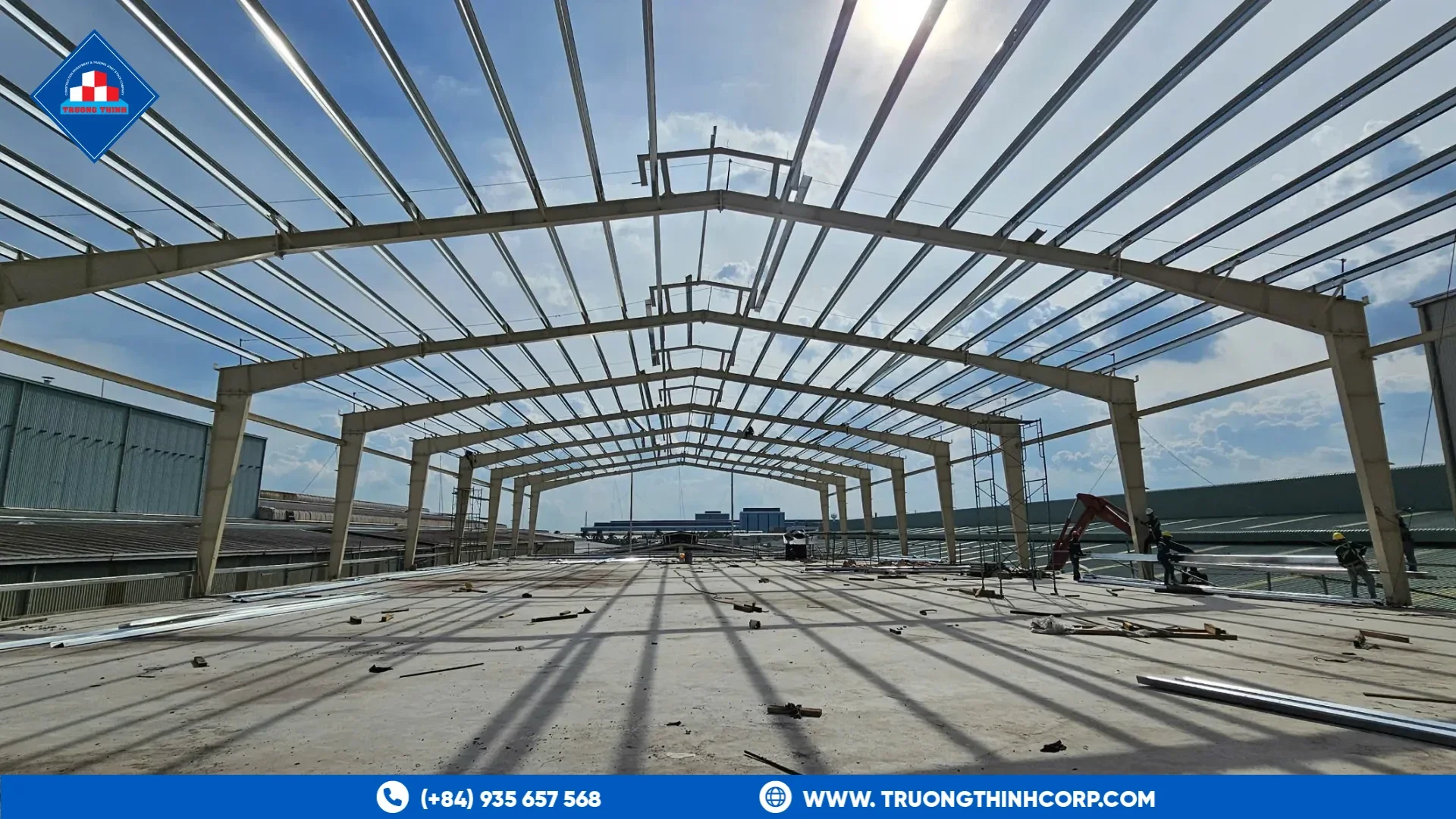
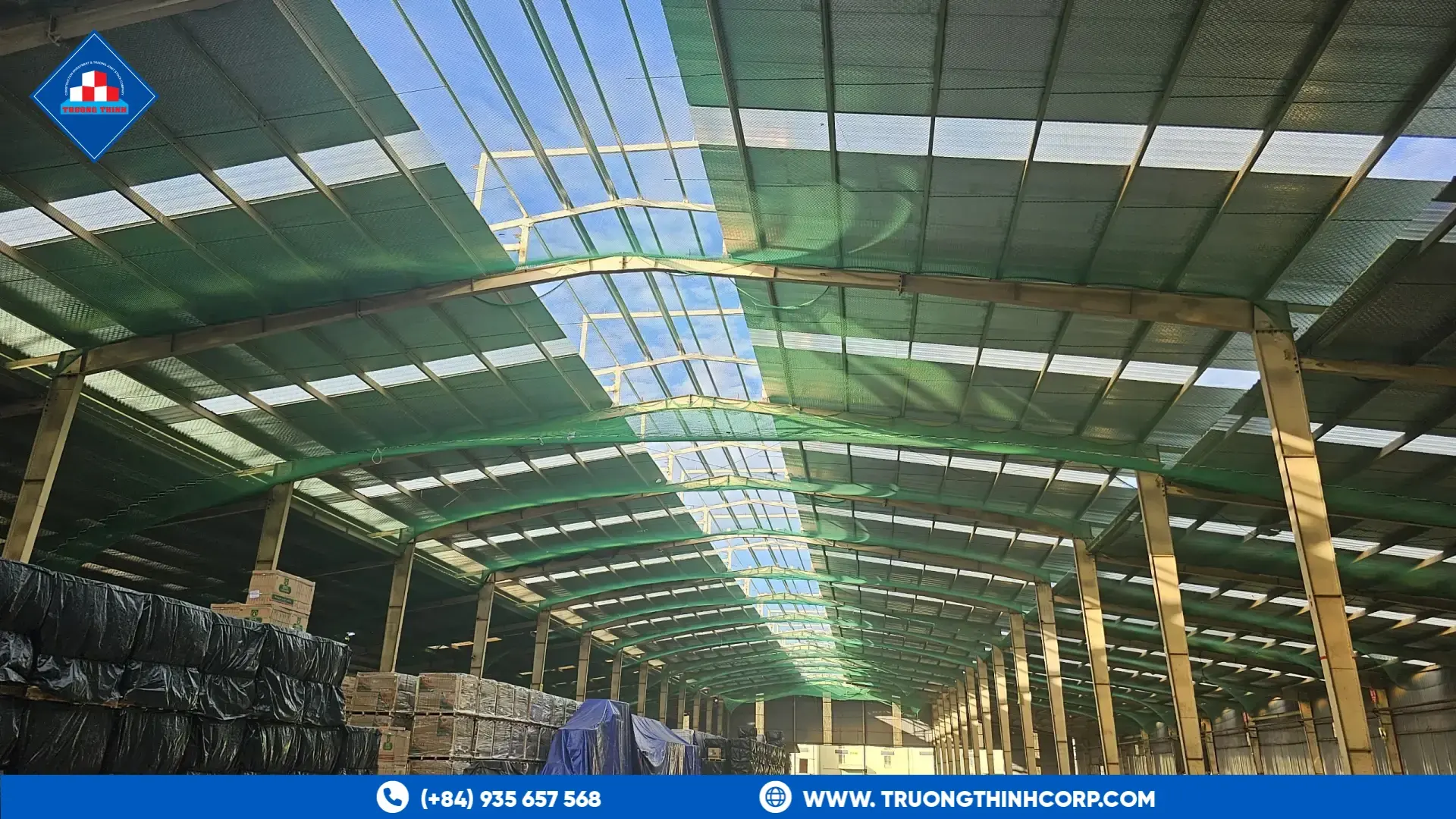
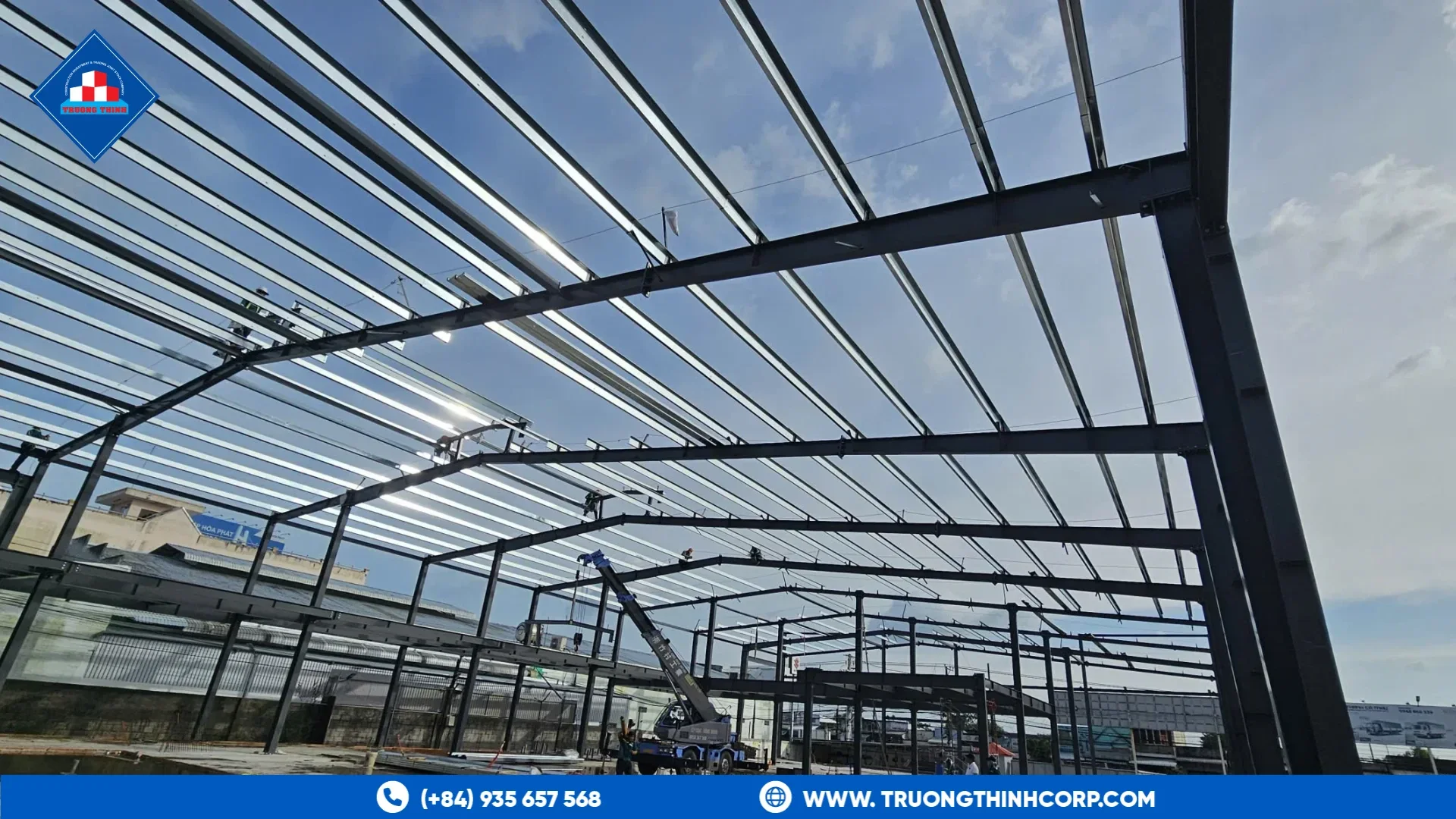
Purlins carry the cladding and transfer uplift to the main frame. Their connections to the frame must resist the uplift as well as the downward load, and the cladding fixings must resist pull-out from the purlin. Fixing spacing is therefore set by the uplift pressure in the corner and edge zones, where suction is highest. The cladding manufacturer’s uplift ratings and the design wind pressure should be checked together.
How roof bracing works
Roof bracing forms a stiff plane across the roof, usually with diagonal members between purlins or in the roof plane. It resists the sideways forces that wind creates on the building and holds the frame in line. Without roof bracing, the roof can rack, and the purlins can lose their lateral support, which reduces their capacity. The bracing layout must match the roof geometry and the openings, such as ventilators and access hatches.
Corner and edge zones
Suction is highest at roof corners and along the edges, because wind separates from the surface there. Designers usually increase the fixing density and the member capacity in these zones. The zones are defined by the code and the building dimensions, so the layout of corners and openings must be decided early.
What the engineer needs to check
- Basic wind speed, exposure category and building height from the applicable code
- Roof slope, building size and the location of openings and rooftop equipment
- Purlin and rafter connection capacity under uplift, not only downward load
- Cladding fixing spacing and pull-out capacity, in each roof zone
- Roof bracing layout and the connections of the bracing members
Practical points for fabrication and erection
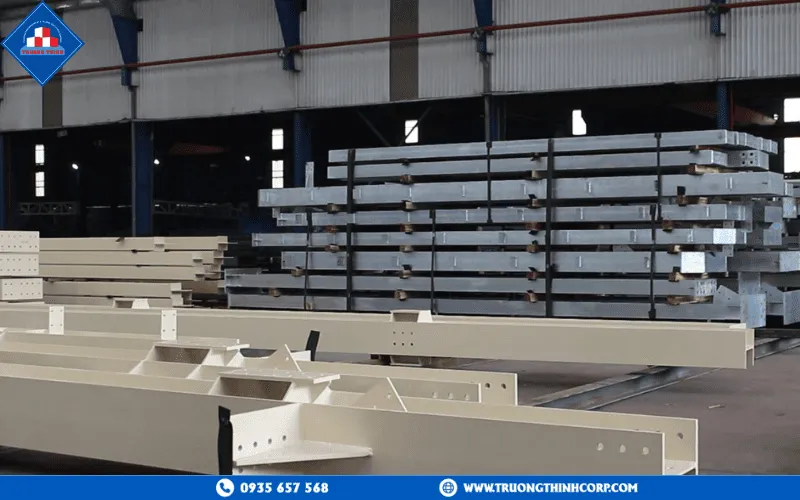
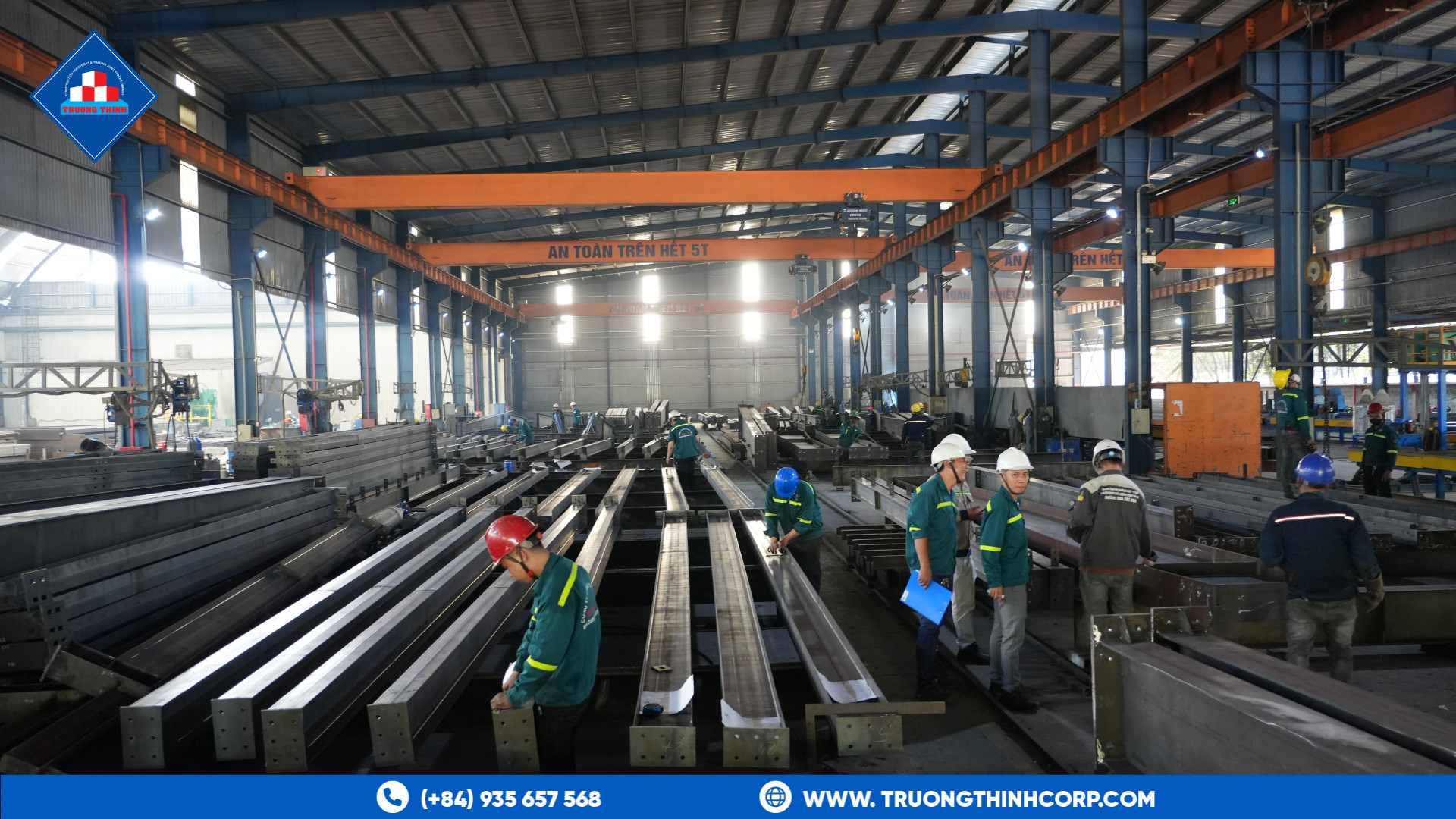
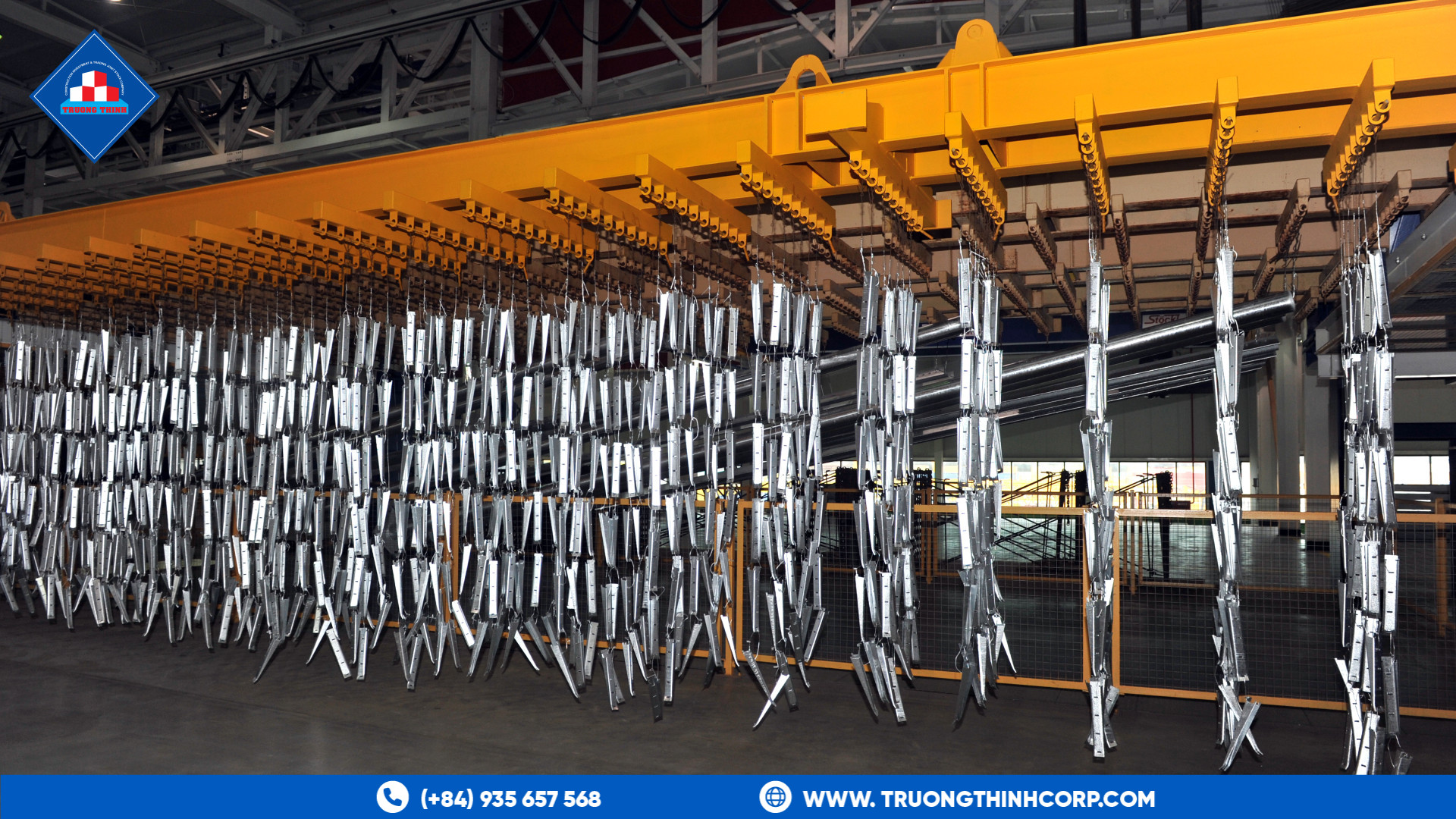
Uplift details depend on accurate fabrication and erection. Purlin spacing, the position of connection holes and the alignment of the frame all affect the final fixing performance. At Truong Thinh, purlins are hot-dip galvanized to protect the connections in the roof environment, and the surfaces and connections are inspected according to AWS D1.1 before delivery.
Frequently Asked Questions
Why do steel roofs fail in strong winds?
Typical failures start with cladding or purlin connections that cannot resist suction, especially at corners and edges. Once cladding is lost, the purlins and the frame are exposed to further load, so the connections are the key detail.
Does wind uplift matter for low roofs?
Yes. Uplift depends on wind speed, exposure and roof geometry more than building height alone. A low roof in an exposed site can still see significant suction, so it should be checked for the actual site conditions.
Is roof bracing needed if the cladding is strong?
The cladding alone does not provide the stiffness needed to hold the frame in line. Roof bracing is a structural requirement, and its layout should be checked by the engineer for the building geometry.
For a steel roof in a windy location, discuss your structural design requirements with our engineering team. Share the building size, location, roof slope and openings, and we will advise on the uplift checks and the bracing layout.
Free quotation · Reply within 24 working hours
Request a quotation for wind uplift steel roof
Tell us about your steel structure project. Our engineering and sales team will reply with a tailored proposal, usually within 24 working hours.
Need an answer faster? Call our engineers directly.
Mon–Fri 8:00–17:30 · Sat 8:00–12:00 (GMT+7)