

A steel structure contractor takes on more risk — and more responsibility — than a pure fabricator. When a contractor owns design, fabrication, and erection under one contract, an EPC or developer gets a single point of accountability instead of three separate vendors pointing at each other when a schedule slips. Truong Thinh Corp operates as a structural steel contractor for industrial and commercial buildings across Vietnam and for export, combining in-house design, a 25,000 m² fabrication plant, and site erection crews under one project team.
What “Full-Service Steel Structure Contractor” Actually Means
The label gets used loosely in the market. A genuine full-service steel building contractor should be able to show capability across four stages:
- Structural design — engineering analysis in SAP2000 and 3D detailing in Tekla Structures, coordinated with architectural/MEP models in Revit.
- Fabrication — CNC plasma/laser cutting, automatic and horizontal welding lines, beam straightening, Sa 2.5 sandblasting and coating, all under ISO 9001:2015 quality control.
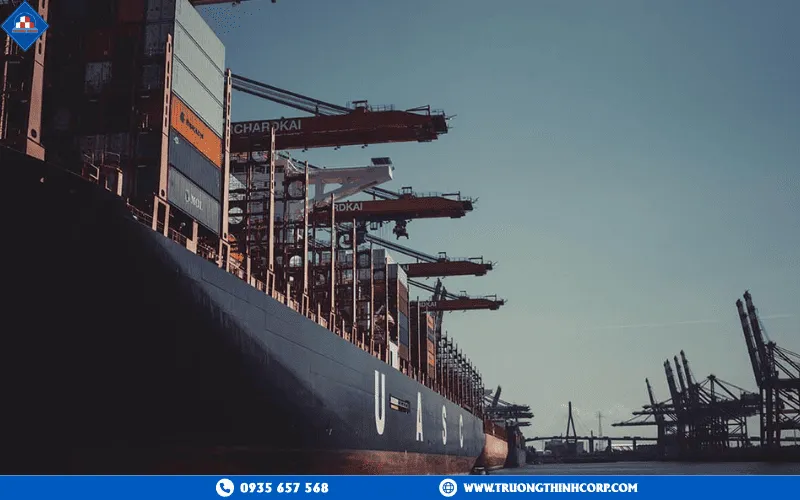
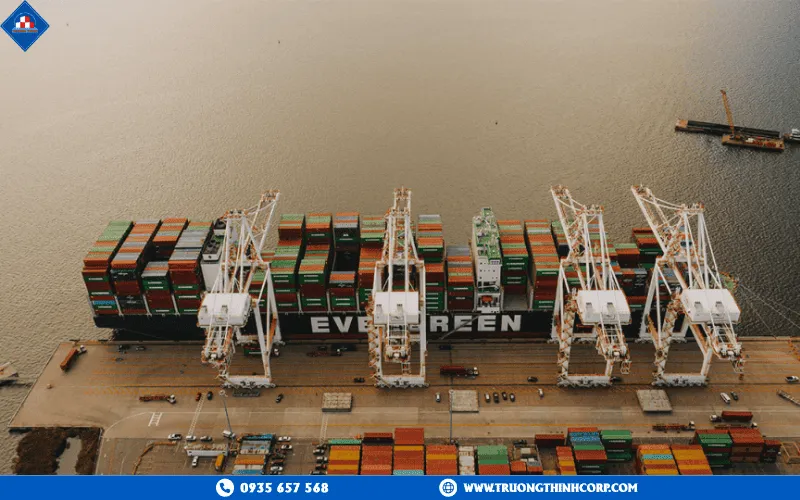
- Logistics — export packing, documentation, and freight coordination for both domestic delivery and international shipment.
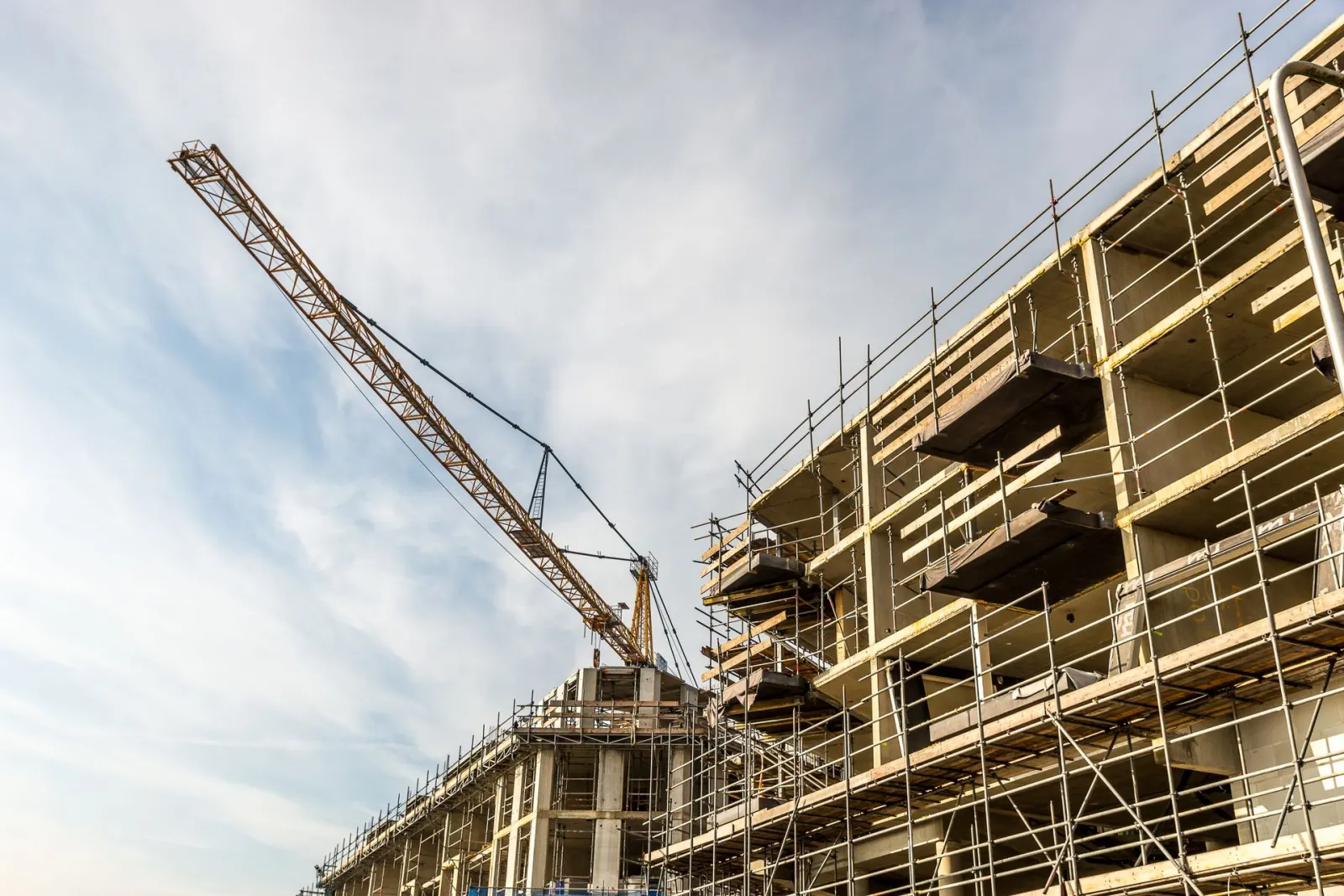
- Erection — on-site assembly crews and supervision to close the loop between shop drawing and finished building.
Where a buyer only needs one stage — for example fabrication to an already-approved design — Truong Thinh also works as a pure steel structure manufacturer and supplier without requiring the full contract scope.
How the Contractor Relationship Reduces Project Risk
The most common failure mode on international steel-structure projects is not fabrication defects — it is coordination gaps between the designer, the fabricator, and the erector. A beam detailed to one tolerance standard by the design office and cut to a different standard by the fabricator produces field-fit problems that are expensive to correct once steel is on site. Consolidating design, fabrication, and erection with a single contractor closes that gap because the same Tekla model that generates shop drawings also generates the erection sequence and bolt-up drawings.
This matters most on time-critical builds: factory expansions tied to a production ramp-up date, or warehouse projects with a lease start-date penalty clause. See our companion guide on steel structures for warehouse projects for how clear-span design and fast-track fabrication interact on a compressed schedule.
Contractor Scope Comparison
| Scope Option | What’s Included | Best For |
|---|---|---|
| Fabrication-only | Cutting, welding, coating to approved drawings, delivered to site or port | Buyers with their own design and erection team |
| Design + Fabrication | Adds structural engineering and Tekla/SAP2000 detailing | Buyers who need engineered drawings produced or checked |
| Full EPC contractor scope | Design, fabrication, export logistics, and on-site erection | Developers/EPCs wanting single-point accountability |
Certifications and Process Control Buyers Should Verify
Before signing a contract, international buyers should confirm three things directly with the contractor’s QA team, not just the sales contact: current ISO 9001:2015 certification scope, welder qualification records against a recognized standard (Truong Thinh qualifies welders to a recognized welding-qualification scheme, confirmed against the project’s applicable code), and a sample inspection report from a recent project of comparable size. A contractor that hesitates to share inspection documentation is signaling a process gap.
Case Study: Contractor Scope on a Logistics Warehouse Build
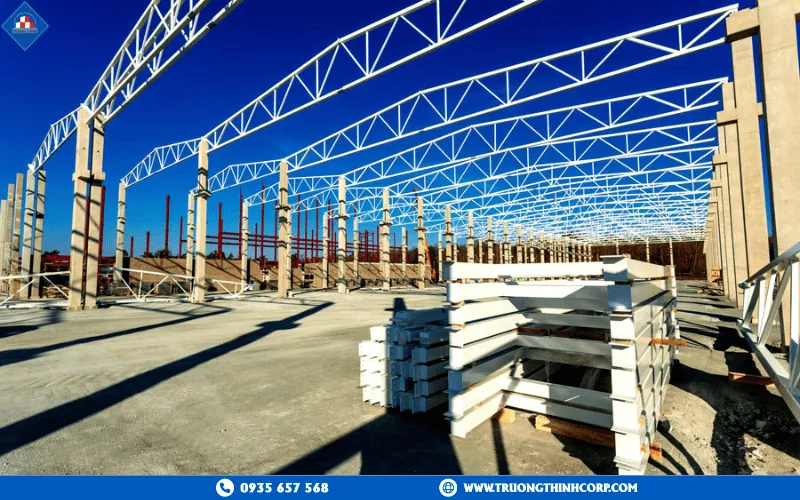
On the Duy Hung Logistics warehouse project, Truong Thinh’s team modeled the frame in Tekla Structures, ran the structural analysis in SAP2000, fabricated the primary and secondary steel in the Ho Chi Minh City plant, and coordinated site erection sequencing directly against the shop-drawing package — the kind of single-team continuity that is difficult to replicate when design, fabrication, and erection sit with three separate companies.
Working with a Vietnamese Contractor from Overseas
For contractors and developers based outside Vietnam, the practical questions are usually about communication and logistics rather than fabrication quality. Truong Thinh’s engineering team works in English throughout design review, and export shipments are coordinated through the B2B steel structure transportation service, covering documentation and freight across Southeast Asia as the company expands its export reach. See the global network overview for the current footprint of export destinations.

A steel structure supplier ships material. A steel structure fabrication company, or one of the many structural steel fabricators in the market, will cut and weld it. Neither typically stays involved once the truck leaves the yard. Truong Thinh’s contractor scope adds transport and erection on top of fabrication, so one team — not three separate vendors — answers for the finished structure on site.
Frequently Asked Questions
Does a steel structure contractor cost more than hiring a fabricator and erector separately?
Not necessarily. Bundling design, fabrication, and erection removes duplicate coordination overhead and the margin stack of a subcontracted middle layer, which often offsets any premium for single-source accountability.
Can Truong Thinh act as contractor for a project designed by our own engineers?
Yes. Truong Thinh will fabricate and, where required, erect to a buyer’s approved structural design, or review and re-detail it in Tekla Structures for shop production if the original drawings are not fabrication-ready.
What is the typical lead time from contract signing to first steel delivery?
Lead time depends on tonnage, design complexity, and current plant loading (capacity of 1,200–1,500 tons/month), but detailing typically overlaps with early fabrication once shop drawings for the first structural packages are approved.
Does the contractor scope include export shipping to Malaysia, Thailand, or the Philippines?
Yes, export logistics are coordinated in-house; see the dedicated page on sourcing fabricated steel structures for Malaysia for the regional shipping process.
What quality documentation is provided at handover?
Buyers receive mill certificates for raw material, welder qualification records, in-process inspection reports, and final dimensional/coating QC sign-off consistent with the ISO 9001:2015 system.