

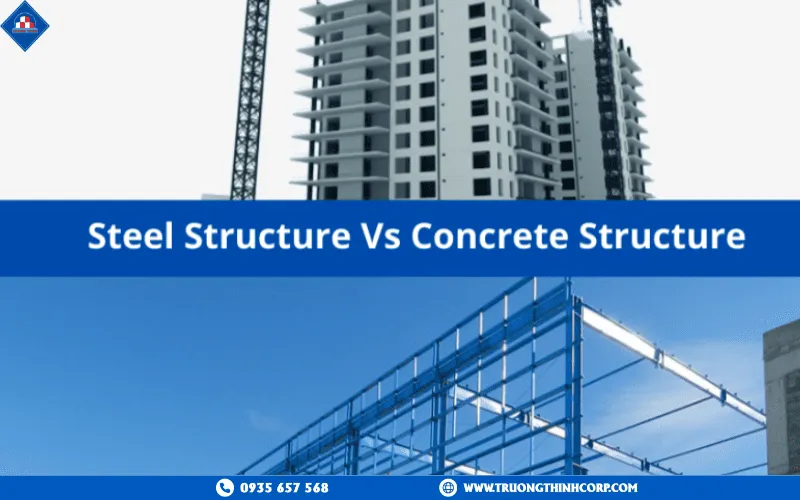
Choosing between reinforced cement concrete (RCC) and steel structure is a common challenge for homeowners and project owners planning a new building. Many people expect a single definitive answer. In reality, there is no absolute “best” option for all projects. Each structural system has its own advantages, limitations, and ideal use cases depending on budget, building height, construction speed, and long-term performance requirements. Understanding the fundamental differences between RCC and steel structures is the key to making the right decision. By comparing them across strength, cost, construction efficiency, and application scenarios, this article provides a clear and practical perspective to help investors and homeowners choose the most suitable structural solution for their specific needs.
1. Overview of RCC and steel structures
Before comparing these systems, it is essential to understand how each system works and where it is commonly applied. Both RCC and steel structures are widely used in modern construction, but they rely on different materials, load-resisting mechanisms, and construction methods. This foundational knowledge helps ensure a fair and accurate comparison.
1.1 What Is an RCC structure?
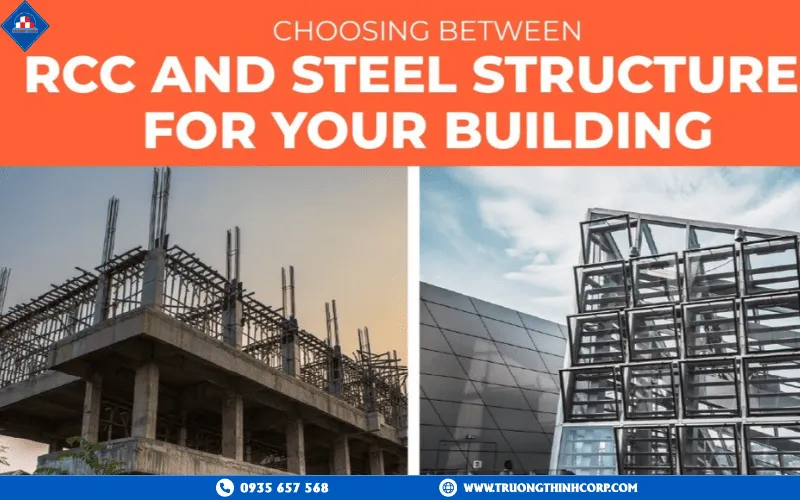
An RCC structure is a construction system that combines concrete and steel reinforcement bars to resist different types of forces. Concrete has high compressive strength but low tensile strength, while steel reinforcement provides the tensile capacity needed to carry bending and tension. Together, they form a composite system capable of supporting floors, beams, columns, and slabs in residential and commercial buildings. RCC structures are widely used in low-rise and mid-rise buildings, including houses, apartments, schools, and offices. Their popularity comes from material availability, local construction familiarity, and relatively lower upfront costs in many regions. RCC is typically cast on-site using formwork, making it suitable for conventional construction methods and standardized building designs.
1.2 What is a steel structure?
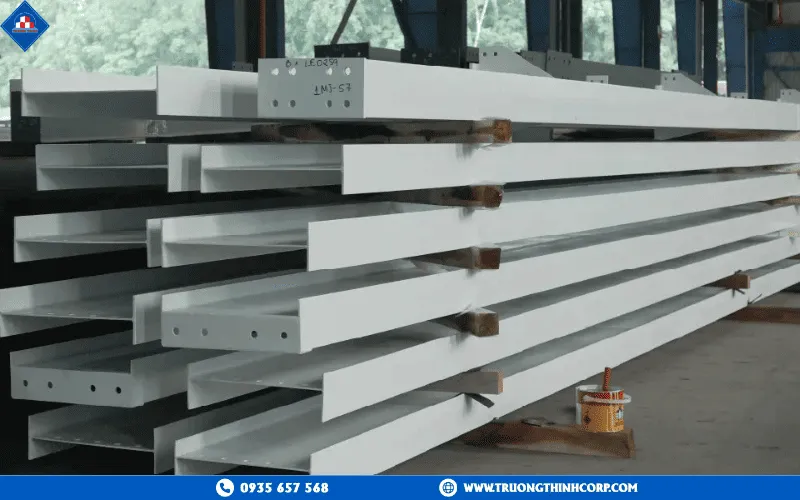
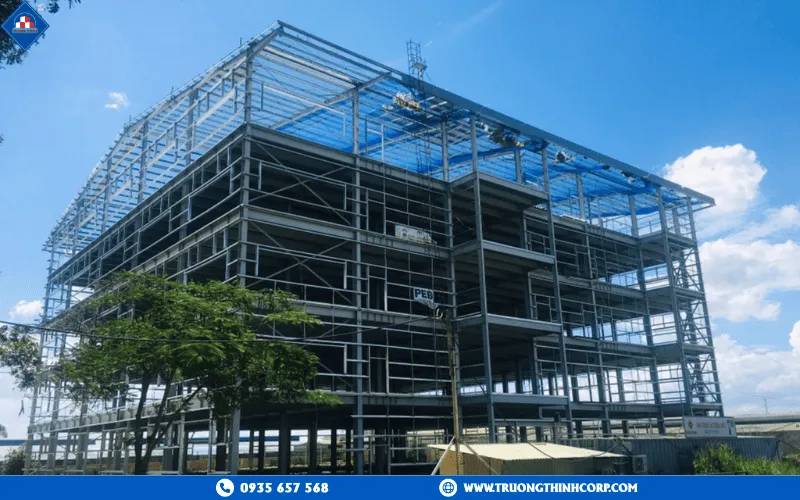
A steel structure uses structural steel members such as beams, columns, and bracing systems as the primary load-bearing elements. Steel has high tensile and compressive strength, uniform material properties, and predictable behavior under load. Most steel structures are prefabricated in factories and assembled on-site using bolted or welded connections. This system is widely applied in industrial buildings, warehouses, high-rise structures, commercial centers, and modern residential projects. Due to its high strength-to-weight ratio, steel enables longer spans, lighter foundations, and flexible architectural layouts. Steel structures are also known for their precision, speed of construction, and adaptability to future expansion.
2. Strength and structural performance comparison
Structural performance is a decisive factor when comparing these two structural systems. Strength, load-carrying capacity, and behavior under dynamic forces directly affect building safety and longevity.
2.1 Is steel structure stronger than RCC?
Yes, steel structures are generally stronger than RCC structures in terms of tensile strength and load efficiency. Structural steel typically has a tensile strength ranging from 250 to over 550 MPa, while concrete mainly excels in compression, often between 20 and 50 MPa for standard grades. In RCC, steel reinforcement compensates for concrete’s tensile weakness, but the overall system is heavier and less efficient in spanning long distances. Steel structures can carry higher loads with slimmer sections, reducing self-weight and improving structural efficiency. This strength advantage allows steel buildings to achieve larger column-free spaces and better performance under heavy industrial loads.
2.2 Performance under earthquake and dynamic loads
Steel structures perform exceptionally well under earthquakes and dynamic loads due to their ductility. Steel can deform significantly without sudden failure, allowing structures to dissipate seismic energy safely. RCC structures, while strong in compression, are more brittle if not properly detailed, which can lead to cracking during seismic events. In earthquake-prone areas, steel structures often provide better resilience, controlled deformation, and reduced risk of collapse. This makes steel a preferred choice for projects requiring high seismic performance and structural safety.
3. Cost comparison – RCC vs steel structure
Cost is one of the most searched aspects when evaluating these options. However, cost should be evaluated across the entire project lifecycle rather than focusing only on initial expenses.
3.1 Initial construction cost
RCC structures usually have a lower initial construction cost, especially for small-scale residential projects. Concrete materials are widely available, and labor costs for RCC construction are generally lower. Steel structures may have higher material costs due to steel prices and factory fabrication. However, this difference depends on market conditions, project scale, and design complexity.
3.2 Construction time and indirect costs
Steel structures significantly reduce construction time due to off-site fabrication and rapid on-site assembly. Faster completion leads to lower indirect costs such as site management, labor overhead, and financing expenses. RCC construction requires longer curing times and is more dependent on weather conditions, which can increase indirect costs and delay project delivery.
3.3 Maintenance and lifecycle cost
Over the long term, steel structures can offer lower lifecycle costs due to controlled quality, easier inspection, and adaptability. Properly protected steel has a long service life, while RCC structures may require repairs due to cracking, corrosion of reinforcement, or concrete degradation. When considering durability and maintenance, steel can be more cost-efficient over the building’s lifespan.
3.4 RCC vs steel structure cost comparison
| Criteria | RCC Structure | Steel Structure |
| Initial cost | Lower for small projects | Higher material cost |
| Construction time | Longer | Much faster |
| Maintenance | Moderate to high | Lower with protection |
| Lifecycle cost | Moderate | Often lower long-term |
4. Construction speed and project efficiency
Project efficiency is increasingly important in modern construction, particularly for commercial and industrial investors.
4.1 Construction timeline of RCC structures
RCC construction is a wet process that involves formwork, reinforcement placement, concrete casting, and curing. Each stage takes time and is affected by weather conditions. As a result, project timelines can be extended, especially for multi-story buildings.
4.2 Construction timeline of steel structures
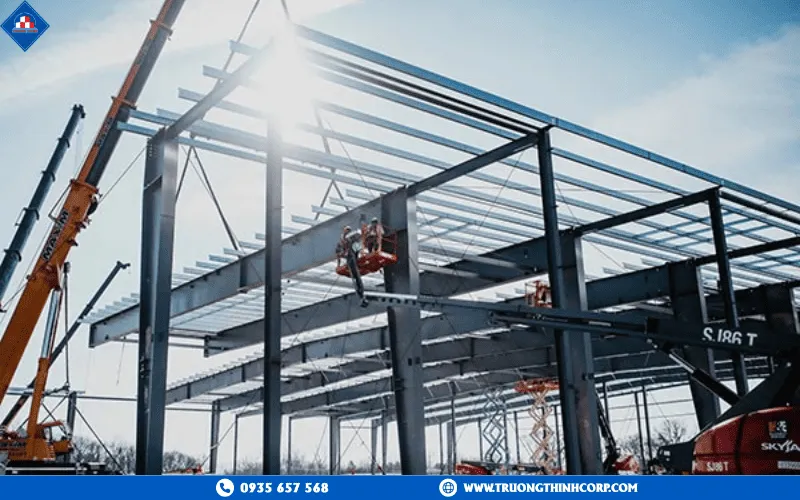
Steel structures are prefabricated in controlled factory environments, ensuring high precision and quality. On-site work mainly involves bolted or welded assembly, allowing projects to be completed much faster. This speed improves project efficiency and enables earlier operation or occupancy.
5. Which is better for residential buildings?
when choosing between the two systems, for residential use, project scale and future needs are critical considerations.
5.1 When RCC is a better choice for houses
RCC is often suitable for low-rise houses with limited budgets and conventional layouts. It is familiar to local contractors and fits well with traditional construction practices. For small residential projects without future expansion plans, RCC remains a practical choice.
5.2 When steel structure is better for residential projects
Steel structures are ideal for multi-story houses, modern villas, or projects requiring open spaces and future expansion. Steel allows flexible design, faster construction, and easier modification, making it suitable for contemporary residential developments.
6. When should you choose steel structure over RCC?
Steel structures are increasingly recognized as a modern construction solution for demanding projects.
6.1 Industrial and large-span buildings
For factories, warehouses, and large-span buildings, steel structures provide superior load capacity, wide column-free spaces, and efficient material usage. RCC is less suitable for such applications due to weight and span limitations.
6.2 Fast-track and modern construction projects
Projects with tight schedules, phased expansion, or advanced architectural requirements benefit greatly from steel structures. Their speed, precision, and adaptability position steel as the preferred modern solution.
7. Environmental impact and sustainability
Sustainability is an important factor in any RCC-vs-steel comparison structure.
7.1 Environmental impact of RCC construction
RCC construction consumes large amounts of cement, which contributes significantly to carbon emissions. On-site casting also generates construction waste and requires extensive material transportation.
7.2 Sustainability benefits of steel structures
Steel is recyclable and reusable without loss of strength. Prefabrication minimizes waste and improves material efficiency. These factors make steel structures more environmentally sustainable in the long term.
8. Final verdict – Which is better: RCC or steel structure?
8.1 Summary comparison based on key criteria
In terms of strength, steel structures outperform RCC due to higher tensile capacity and ductility. RCC may offer lower initial costs for small projects, while steel provides faster construction, better durability, and lower lifecycle costs. Steel also excels in speed, seismic performance, and adaptability.
8.2 Choosing the right structure based on project needs
Ultimately, the answer to which structural system performs better, depends on project requirements. RCC suits traditional, low-rise, budget-sensitive buildings, while steel structures are ideal for modern, large-scale, and fast-track projects. Consulting an experienced steel structure specialist like TruongThinhCorp helps ensure the most efficient, safe, and cost-effective structural solution tailored to your project goals.
9. Frequently asked questions
9.1 Is steel structure more expensive than RCC?
Steel structures often have higher initial costs, but they can be more economical over the lifecycle due to faster construction and lower maintenance.
9.2 Can steel structure be used for houses?
Yes, steel structures are increasingly used for residential buildings, especially multi-story and modern designs.
9.3 Which structure lasts longer?
Both can last decades, but properly protected steel structures often offer better long-term durability.
9.4 Is steel structure safe in earthquakes?
Yes, steel structures perform very well in earthquakes due to their high ductility and energy absorption capacity.
If you are still considering which structural system performs better for your specific project, consulting an experienced contractor is the most reliable way to make the right decision. With nearly 20 years of experience in design, fabrication, and construction of steel structures for residential, commercial, and industrial projects, we provides practical, cost-effective structural solutions tailored to real construction conditions. Our engineering team evaluates load requirements, budget, construction timeline, and future expansion needs to recommend the most suitable structural system. For professional consultation and customized solutions, contact TruongThinhCorp via Hotline: +84 935 657 568, Email: sale@truongthinhcorp.com, or visit www.truongthinhcorp.com to discuss your project with our experts.