

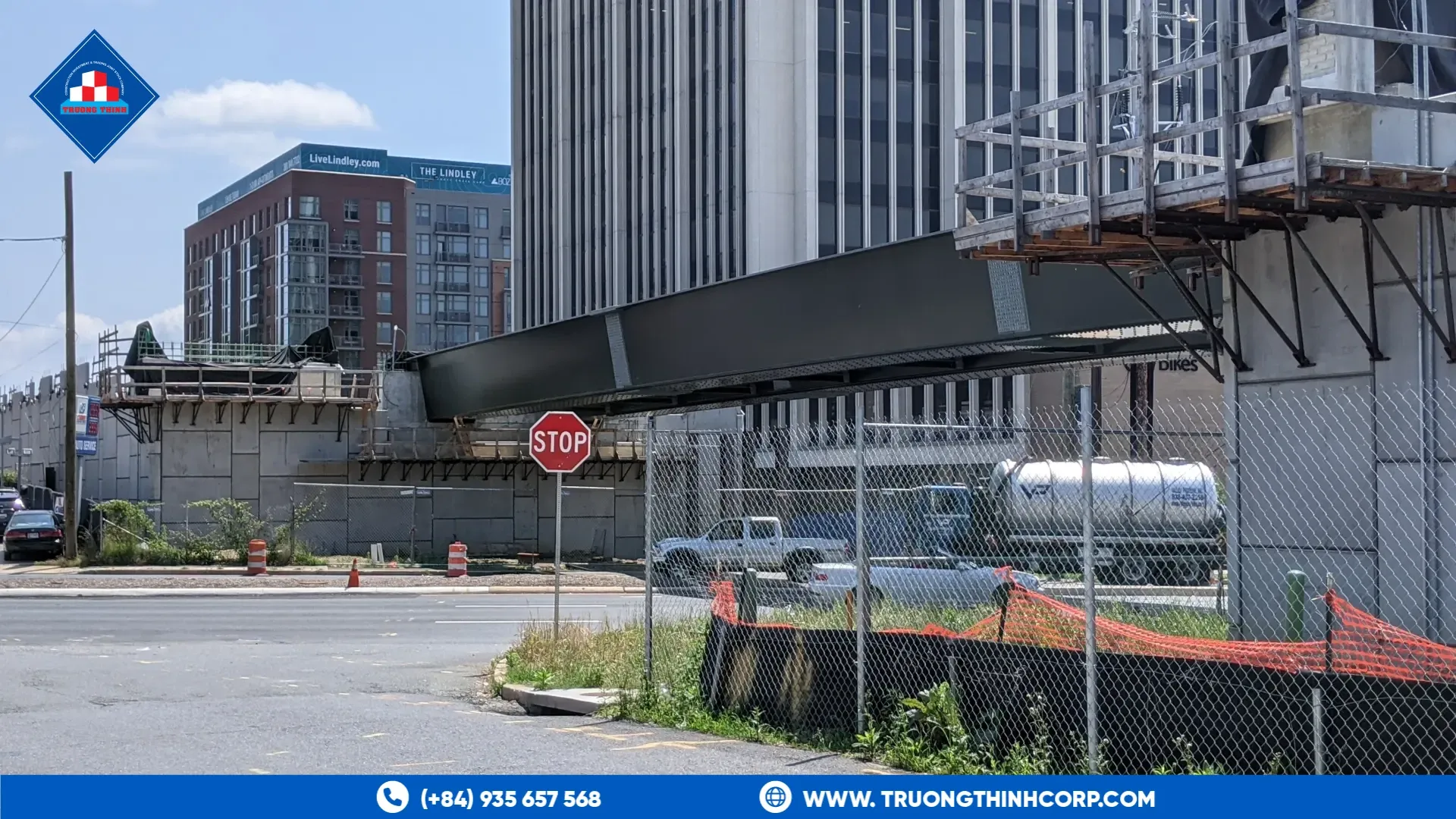
A pedestrian overpass or short-span bridge is a smaller structure than a factory or warehouse, but it is governed by a different set of rules: live load is dynamic and repetitive (foot or vehicle traffic rather than a static rack), deflection limits are tighter for occupant comfort, and fatigue — the gradual weakening of steel under repeated load cycles — becomes a real design consideration in a way it rarely is for a building frame.
1. Why fatigue design matters for bridge and overpass steel
A building frame typically sees its design load applied occasionally; a bridge or overpass sees live load applied thousands or millions of times over its service life. Welded connections in particular need fatigue-category detailing appropriate to this repeated loading, since a connection detail that performs fine under a one-time static load can crack over years of cyclic loading if not detailed for fatigue.
1.1 Deflection limits for pedestrian comfort
Pedestrian bridges are often governed by deflection and vibration serviceability limits — a structure can pass every strength check and still feel uncomfortably bouncy to walk across if the span-to-depth ratio and damping are not specifically checked against pedestrian comfort criteria, not just strength.
1.2 Truss vs. girder selection for short-span crossings
For shorter pedestrian spans, a steel truss offers a lighter structure for a given span than a solid girder, at the cost of more fabricated connections; a plate girder is simpler to fabricate and erect for spans where its self-weight isn’t a governing concern. The choice is typically driven by span length, available headroom, and erection access at the site.
2. Fabrication and erection considerations specific to overpasses
| Consideration | Why it matters |
|---|---|
| Shop-welded, field-bolted connections | Minimizes field welding over live traffic or waterways, and speeds installation |
| Non-destructive weld testing | Fatigue-critical welds typically require inspection beyond what a standard building weld needs |
| Corrosion protection for an exposed, low-maintenance-access structure | Bridges and overpasses are fully weather-exposed and harder to repaint than a building, which usually pushes toward a more durable coating specification |
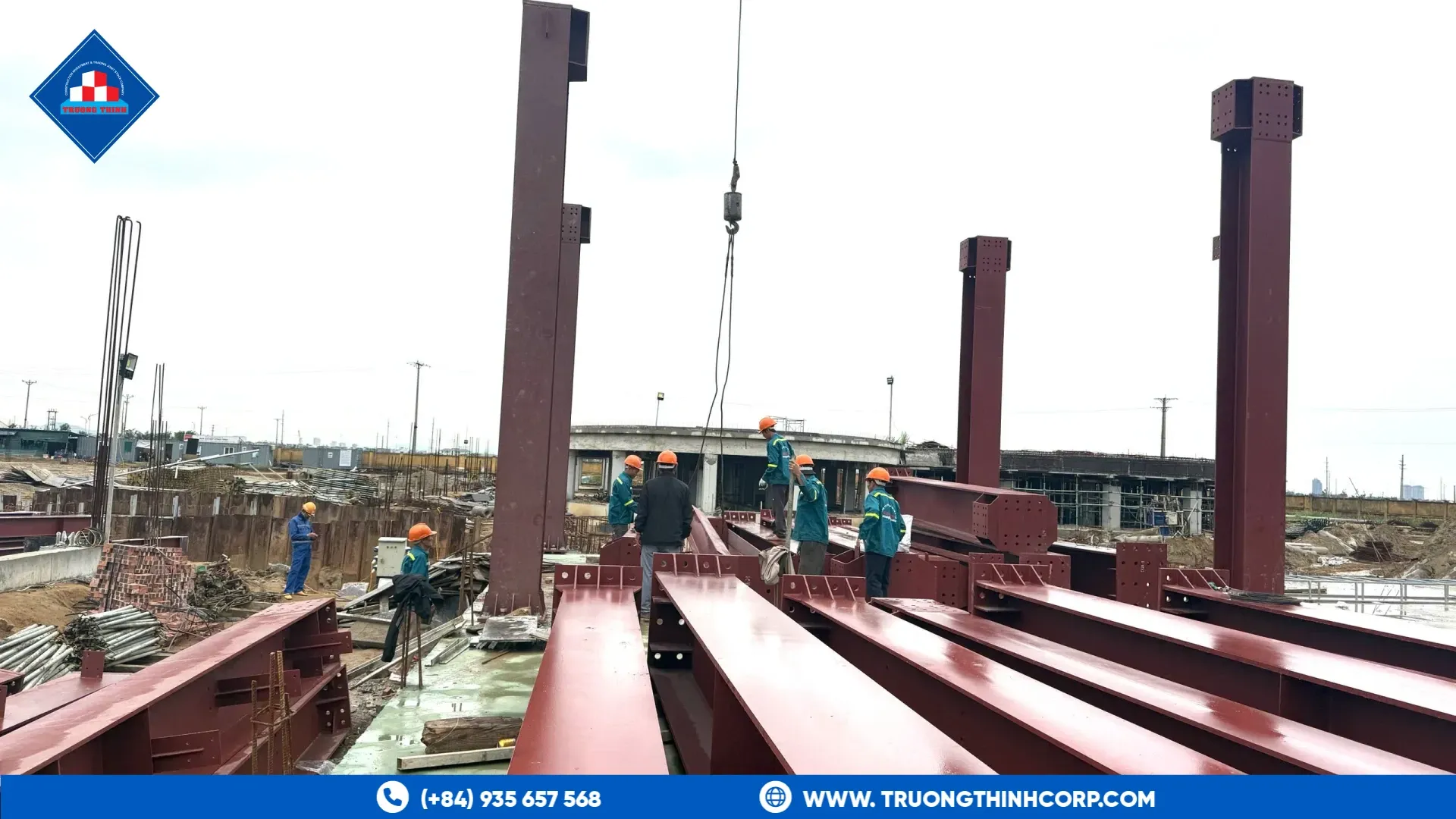
| Installation over live traffic or waterways | Often requires a short installation window, favoring pre-assembled sections lifted into place rather than extended on-site erection |
3. Fabrication quality that carries over from industrial steel work
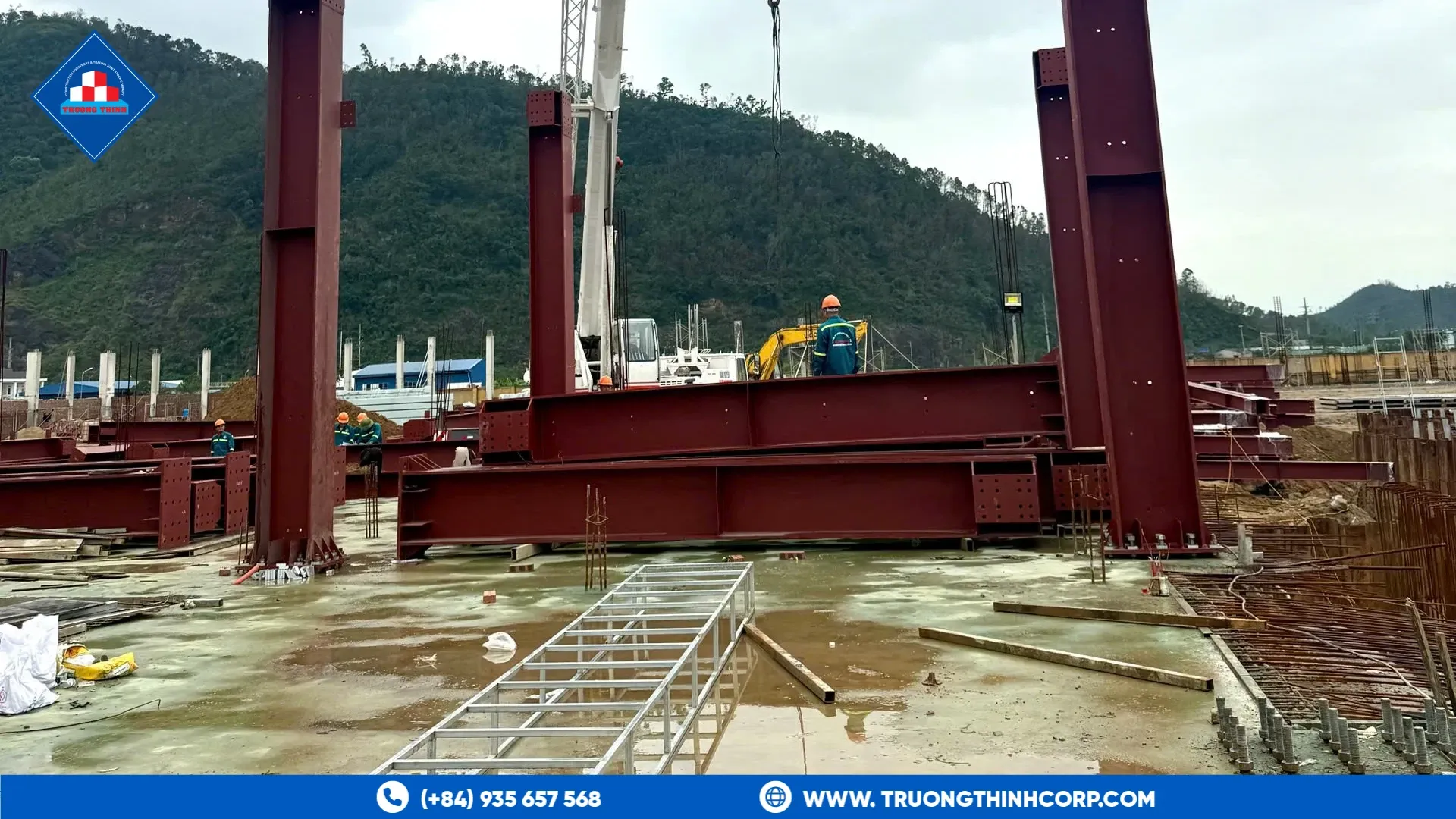
The fatigue-category detailing and non-destructive weld testing that a bridge or overpass needs are a step up in rigor from standard building steel, but they draw on the same welding qualification and inspection discipline used across demanding industrial fabrication work.
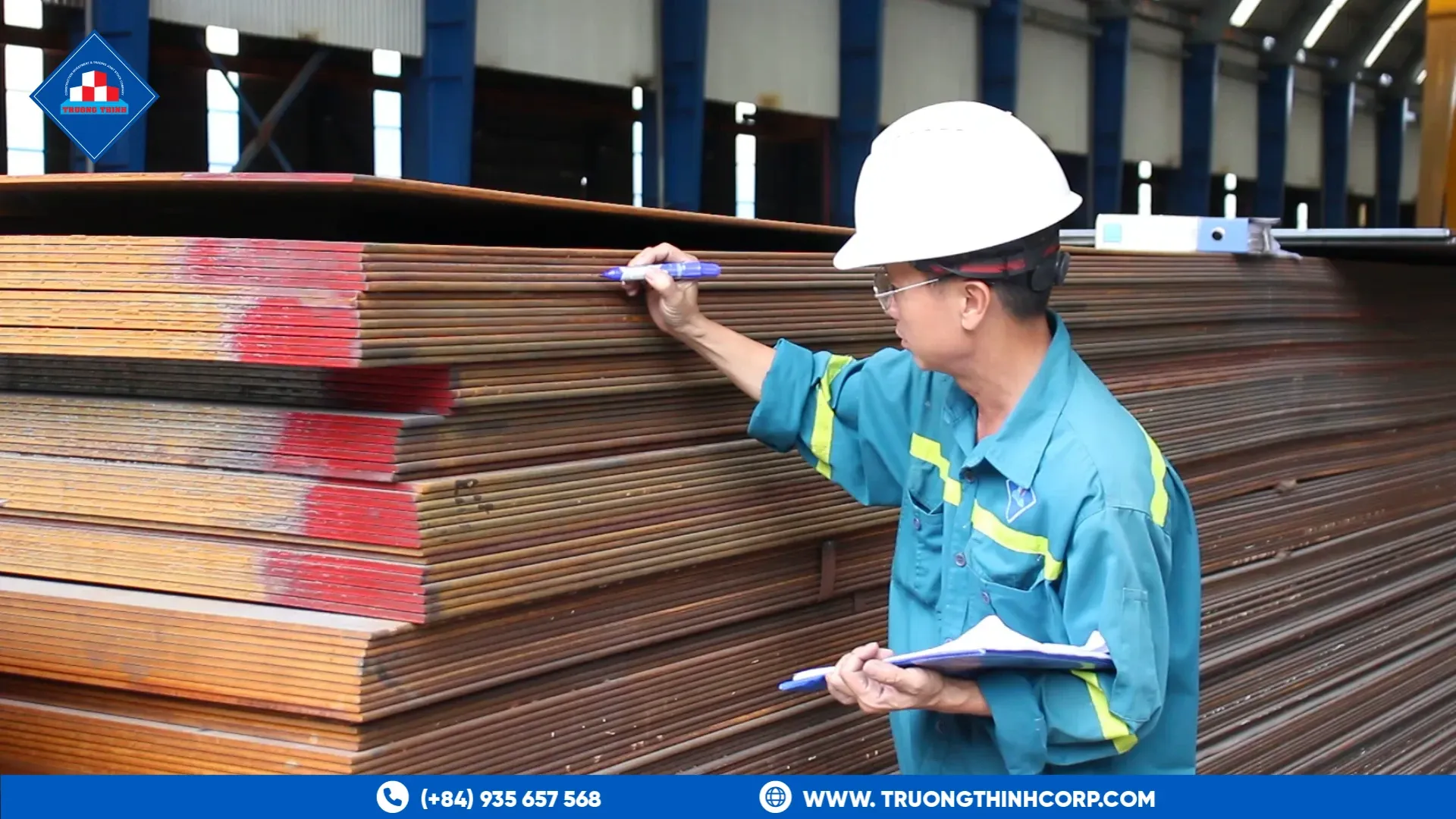
Truong Thinh Corp’s gantry welding lines and documented weld inspection process, already applied to truss and connection fabrication for industrial projects, provide the dimensional accuracy and weld quality control that fatigue-sensitive structures like pedestrian overpasses require.
Frequently Asked Questions
Why is fatigue design important for bridges and overpasses but not typical buildings?
A bridge or overpass sees live load applied thousands or millions of times over its service life, so welded connections need fatigue-category detailing that a building frame, which sees its design load only occasionally, usually does not require.
Can a structurally sound pedestrian bridge still feel uncomfortable to walk on?
Yes u2014 a structure can pass every strength check and still feel bouncy if the span-to-depth ratio and damping are not specifically checked against pedestrian deflection and vibration comfort criteria.
Why are shop-welded, field-bolted connections preferred for bridge installation?
They minimize field welding over live traffic or waterways and speed up installation, which matters when a project has only a short window to install the structure.
Free quotation · Reply within 24 hours
Request a quotation for steel bridge structure
Working on a bridge, port facility, pipe rack or solar mounting project? Share your drawings or specifications and our engineers will prepare a detailed fabrication quotation.
Need an answer faster? Call our engineers directly.
Mon–Fri 8:00–17:30 · Sat 8:00–12:00 (GMT+7)