

Corrosion protection is not a single specification that applies equally everywhere — a steel structure 500 m from breaking surf, one directly exposed to salt spray, and one inside a chemical processing plant each need a different coating system matched to their specific exposure category, and over-specifying wastes budget just as under-specifying shortens service life.
1. Matching the coating system to the actual exposure
Corrosivity categories used in coating standards (from mild inland exposure through to severe marine and industrial-chemical exposure) exist precisely because one coating system does not suit every environment. A structure’s real exposure — distance from the coastline, prevailing wind direction, and any chemical fumes it will be exposed to — needs to be identified honestly at the design stage, since the coating system should be confirmed against the governing project specification rather than assumed from the building type alone.
1.1 Hot-dip galvanizing for general coastal and outdoor exposure
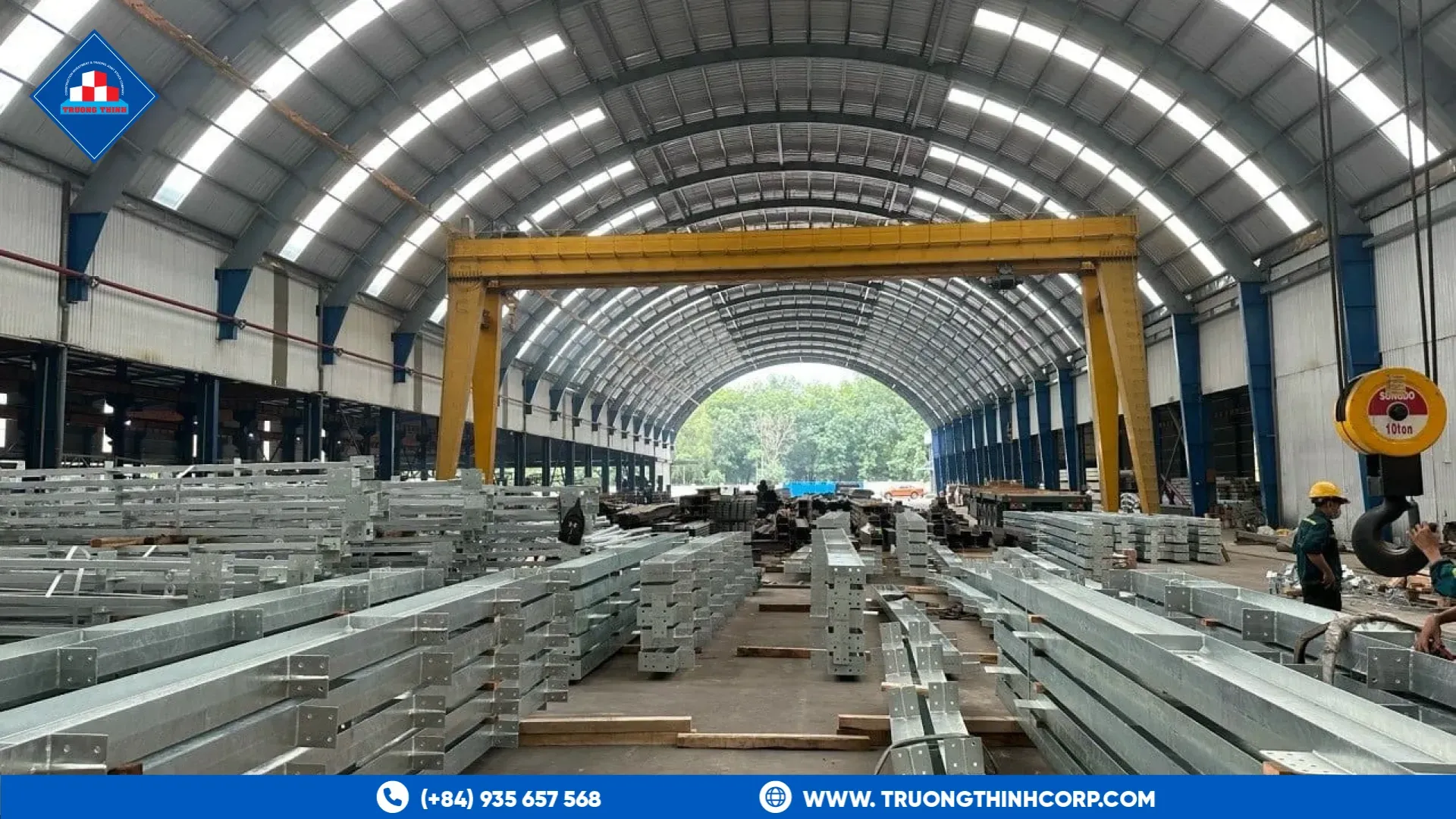
Hot-dip galvanizing provides a zinc coating bonded to the full steel surface, including hard-to-reach internal faces of a section, which makes it a common choice for coastal structures where field-applied paint coverage on complex connections would be hard to guarantee.
1.2 Duplex systems for more severe or chemical exposure
Where exposure is more severe — direct marine spray zones, or chemical/industrial fumes — a duplex system (galvanizing plus a compatible paint topcoat) or a multi-coat paint system engineered for that specific exposure is typically specified, since galvanizing alone may not be sufficient at the top end of the corrosivity scale.
2. Design details that affect corrosion performance as much as the coating does
| Detail | Why it affects corrosion life |
|---|---|
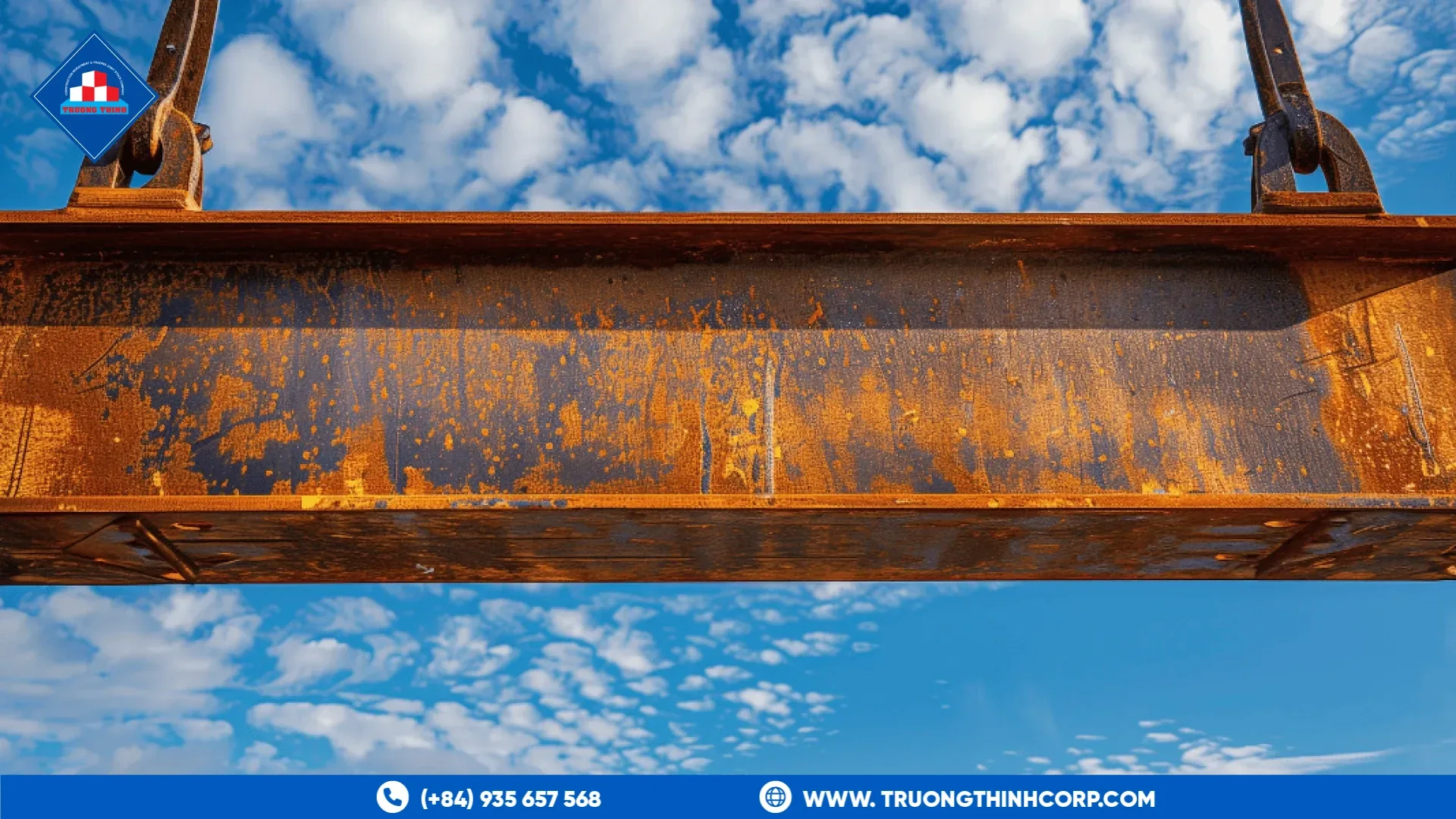
| Water-trapping details (upward-facing channels, unsealed laps) | Trapped moisture accelerates corrosion regardless of coating quality |
| Dissimilar metal contact | Can drive galvanic corrosion at the contact point if not isolated |
| Access for inspection and maintenance | Coatings need periodic inspection; details with no access can’t be maintained even with the right coating specified |
3. Getting this right for export and coastal markets
Buyers sourcing steel structures for coastal Southeast Asian and Middle Eastern sites in particular should confirm the coating specification against the destination site’s actual exposure category before fabrication, not assume a standard export coating covers every destination equally.
Truong Thinh Corp coordinates coating specification with each export project’s destination exposure — confirming the corrosivity category with the buyer’s project documentation before fabrication rather than applying a single default coating to every export order.
Frequently Asked Questions
Does every coastal steel structure need the same coating system?
No — a structure’s real exposure, such as distance from the coastline and any chemical fumes present, should be identified honestly and the coating confirmed against the governing project specification rather than assumed from the building type alone.
Why is hot-dip galvanizing common for coastal structures?
It bonds a zinc coating to the full steel surface, including hard-to-reach internal faces, which is difficult to guarantee with field-applied paint on complex connections.
Can design details affect corrosion performance as much as the coating itself?
Yes — water-trapping details, dissimilar metal contact, and lack of access for inspection can all shorten service life regardless of how good the coating specification is.
Free quotation · Reply within 24 hours
Request a quotation for corrosion resistant steel structure
Need a steel canopy, observation tower or corrosion-resistant structure? Send the span, height and site conditions and we will return a tailored quotation.
Need an answer faster? Call our engineers directly.
Mon–Fri 8:00–17:30 · Sat 8:00–12:00 (GMT+7)