

A published monthly tonnage figure tells a project team what a plant can produce at full utilization, not what capacity is actually available during their fabrication window. This guide explains why steel manufacturing capacity needs to be checked as an operational input, not read as a marketing headline, before it is used to plan a delivery schedule.
Capacity is not the same as available capacity
A manufacturer may have a published monthly capacity, but the number that matters to a project is the capacity available during the agreed fabrication window.
Buyers should ask when fabrication can start, what production slot is reserved and how the order will be sequenced.
Truong Thinh published factory data
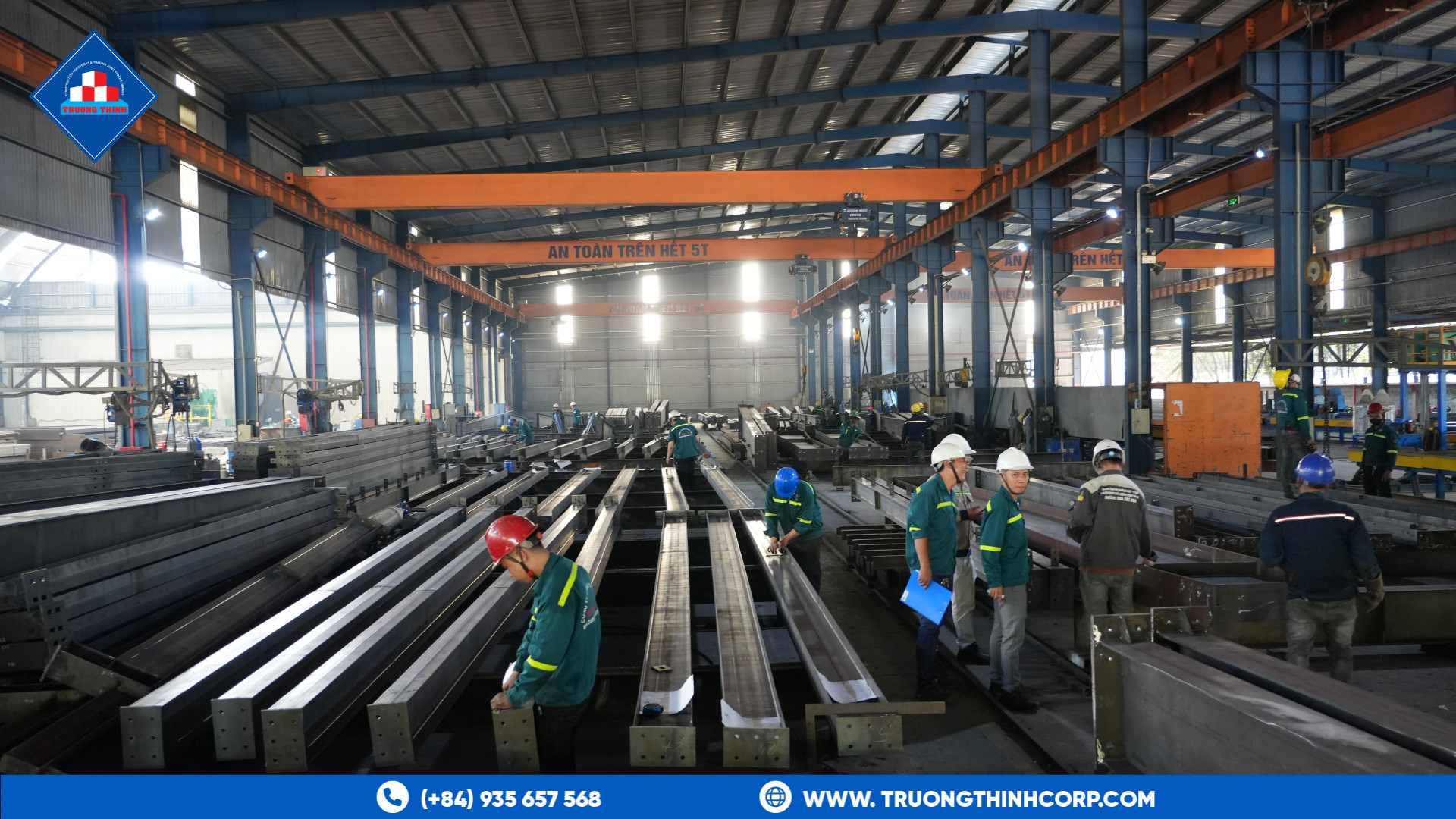
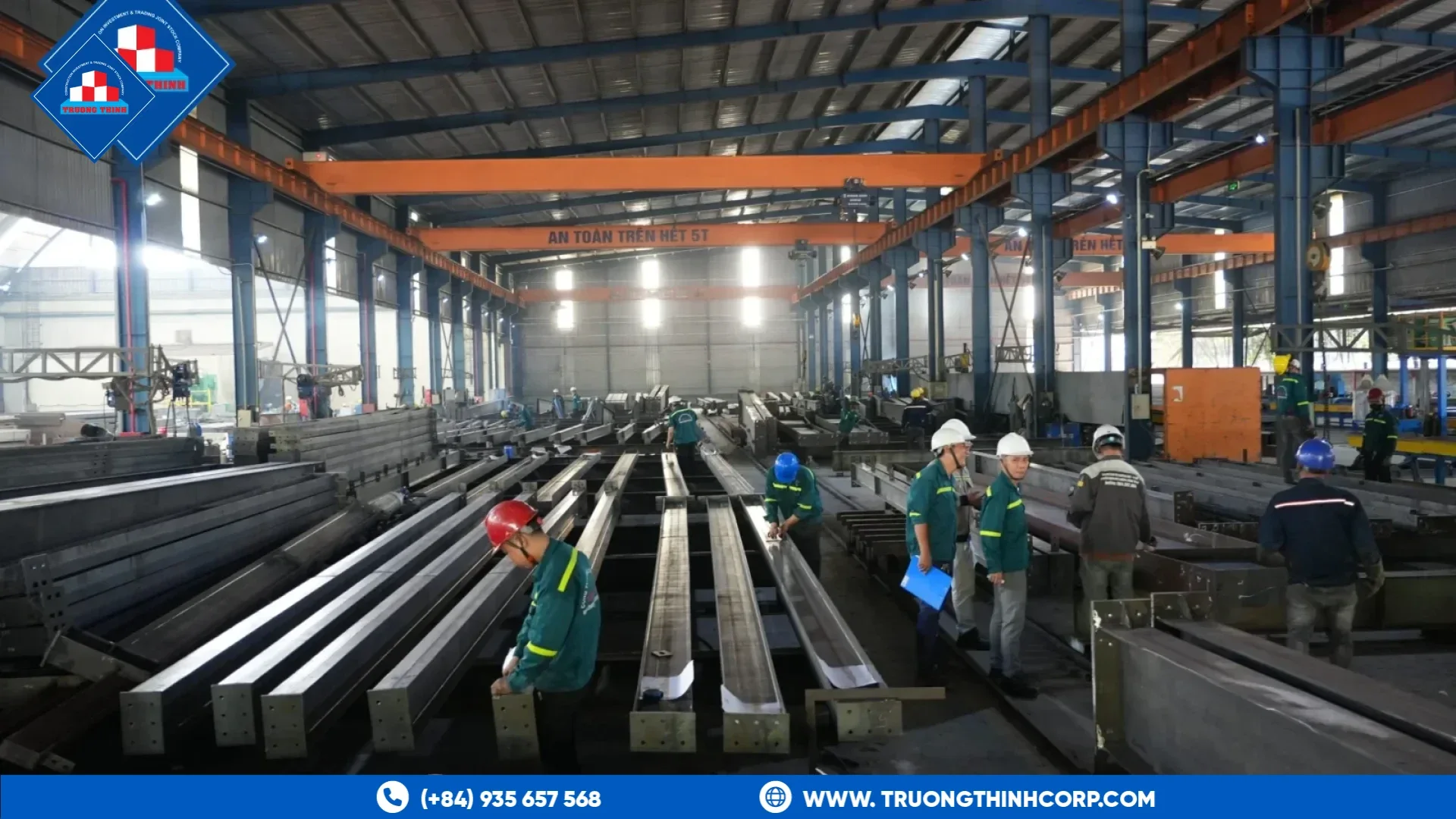
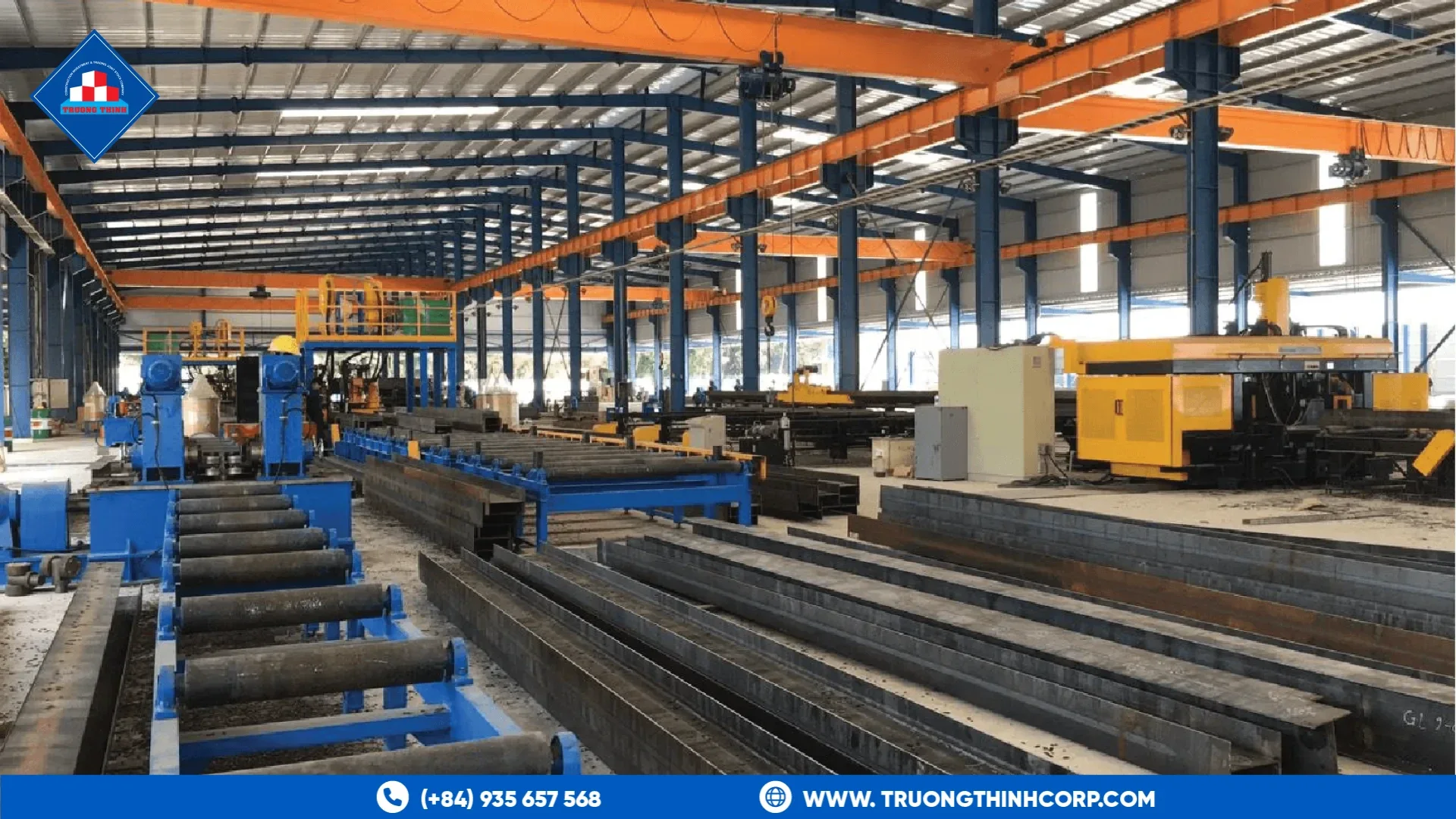
Truong Thinh’s facility spans 25,000 m², and its published capacity is 1,200–1,500 tons of steel structure per month, depending on product mix. Procurement documents should confirm the applicable number for the specific project, since capacity can vary by product mix and season.
Capacity data should be treated as an operational input rather than a marketing headline; see the current manufacturing capacity details.
Capacity affects the whole chain
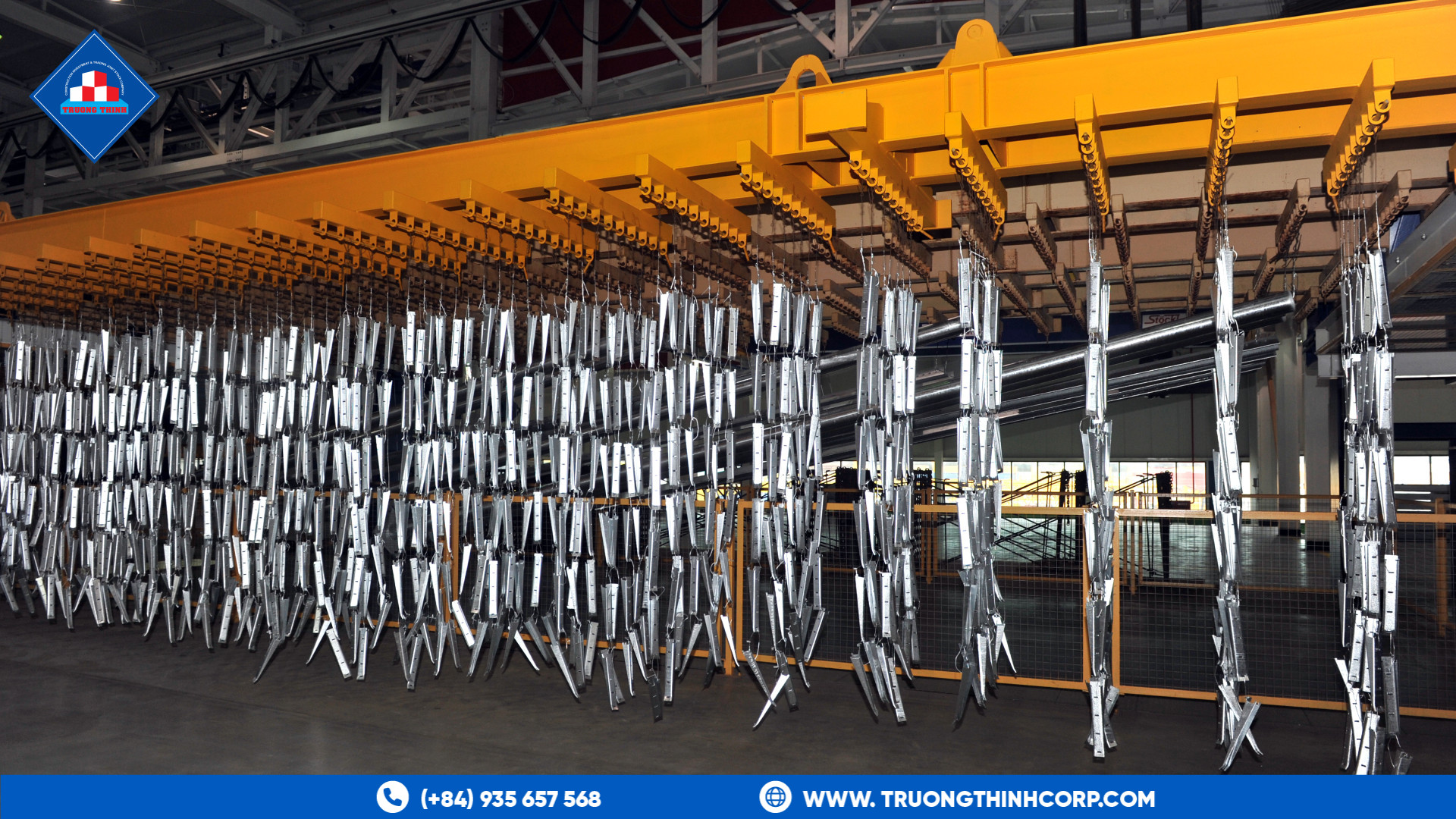
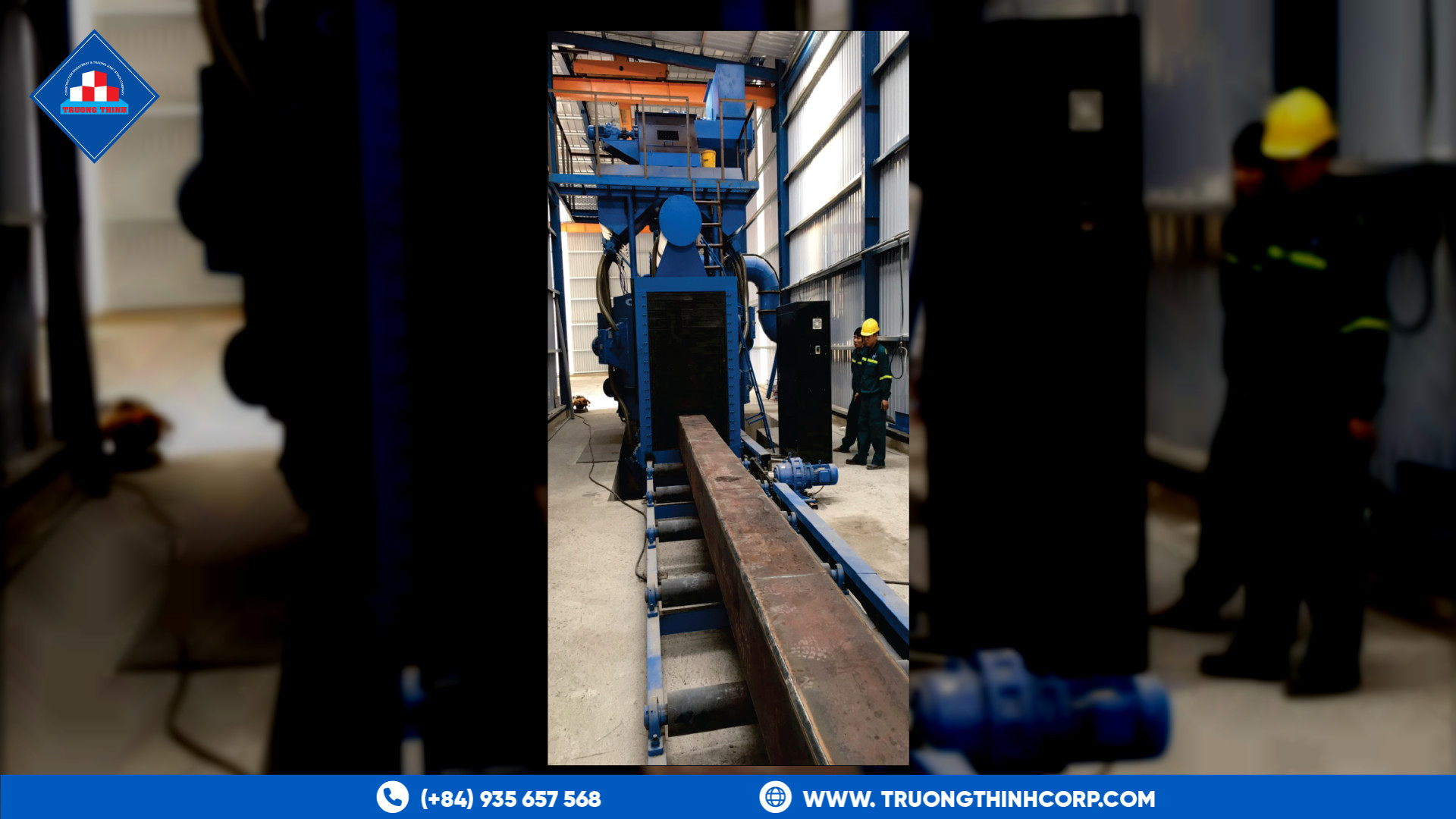
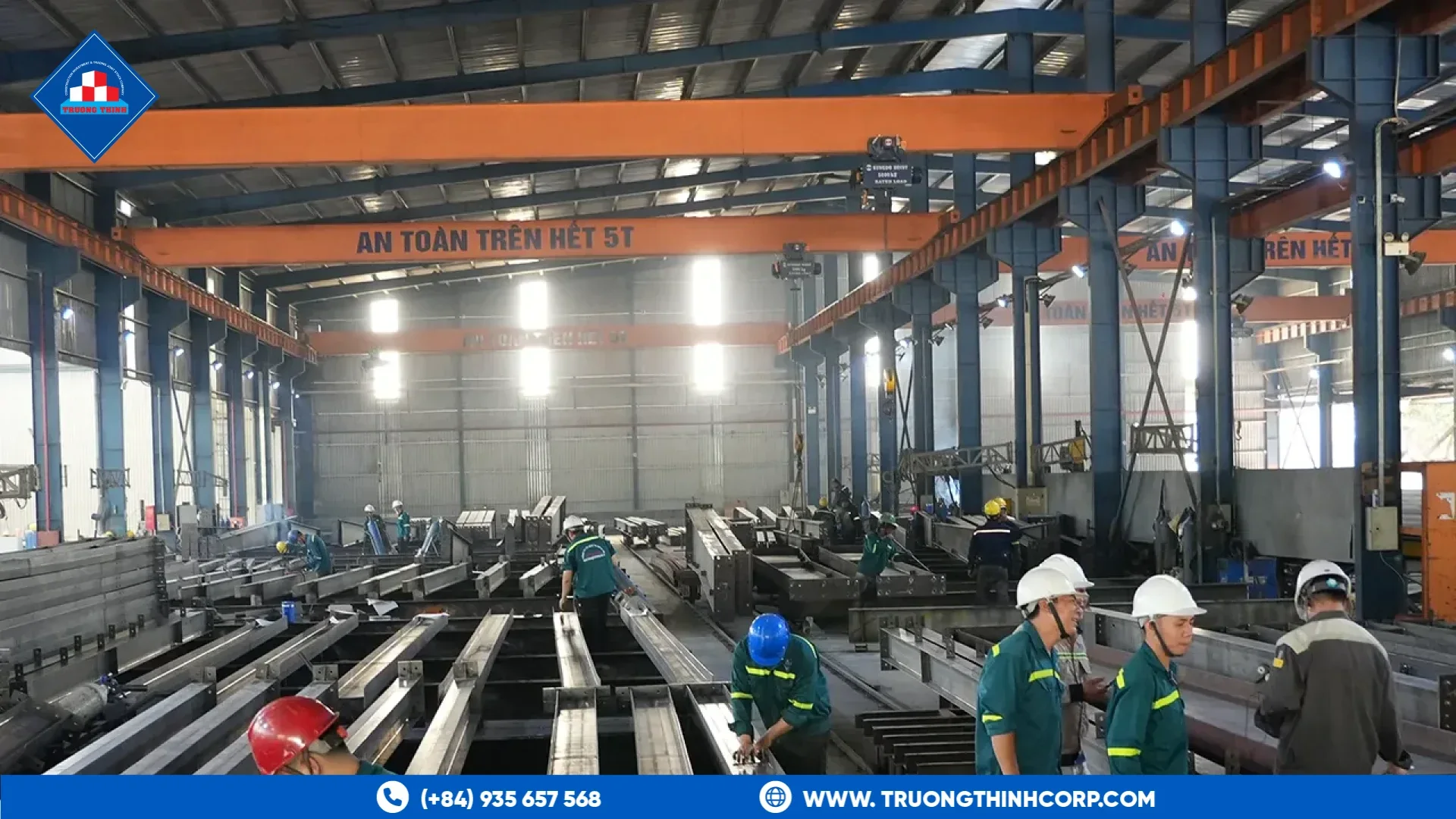
Cutting, fit-up, welding, drilling, straightening, coating, packing and dispatch all have to work in sequence. A bottleneck in one stage can affect the promised ship date even when nominal capacity looks sufficient.
Ask for a production schedule that shows critical milestones.
Large projects need allocation planning
For larger tonnage, buyers should confirm the allocation of manpower, machines, coating space and dispatch windows. This is especially important when the same factory is running multiple projects.
A practical production meeting before purchase order award can surface schedule risk early.
Use capacity as one part of supplier selection
The supplier scorecard should include capacity allocation, QA/QC, engineering responsiveness, logistics and document control. Capacity is valuable only when combined with reliable execution.
Tonnage claims are easy to publish and hard to verify; the more useful question for procurement is whether a given steel structure manufacturer treats its steel structure factory capacity as a shared resource across many clients or reserves allocation per project. A steel structure fabrication company that can answer this in specifics is usually the more reliable schedule partner.
Frequently Asked Questions
Is published monthly capacity the same as available capacity?
No. Published capacity shows what a plant can produce at full utilization; the number that matters to a project is the capacity actually reserved during the agreed fabrication window.
What is Truong Thinh Corp’s published fabrication capacity?
Truong Thinh states a 25,000 m² facility with published capacity in the 1,200–1,500 ton per month range, depending on product mix; buyers should confirm the applicable figure for their specific project.
Why can a bottleneck affect delivery even when nominal capacity looks sufficient?
Cutting, fit-up, welding, drilling, straightening, coating, packing and dispatch all have to work in sequence; a bottleneck at any one stage can affect the promised ship date regardless of headline capacity.
What should buyers ask for on large-tonnage projects?
A production schedule showing critical milestones, plus confirmation of manpower, machine, coating space and dispatch-window allocation, particularly when the factory is running multiple projects at once.
Free quotation · Reply within 24 hours
Send your project details to our engineering team
Tell us about your steel structure project. Our engineering and sales team will reply with a tailored proposal, usually within 24 hours.
Need an answer faster? Call our engineers directly.
Mon–Fri 8:00–17:30 · Sat 8:00–12:00 (GMT+7)