

Whether a pre-engineered steel building or a conventional steel frame is the better fit for a factory depends on span, loading, architecture and future expansion, not on which system is marketed as cheaper. This guide compares where PEB is typically efficient, where conventional steel may be preferred, and how to compare quotations across both on the same scope.
The decision starts with the building requirements
PEB is not automatically the right answer for every building. The choice depends on span, loading, architectural requirements, fire and environmental conditions, equipment loads, future expansion and the governing design specification.
A project team should define the building brief before comparing systems.
Where PEB can be efficient
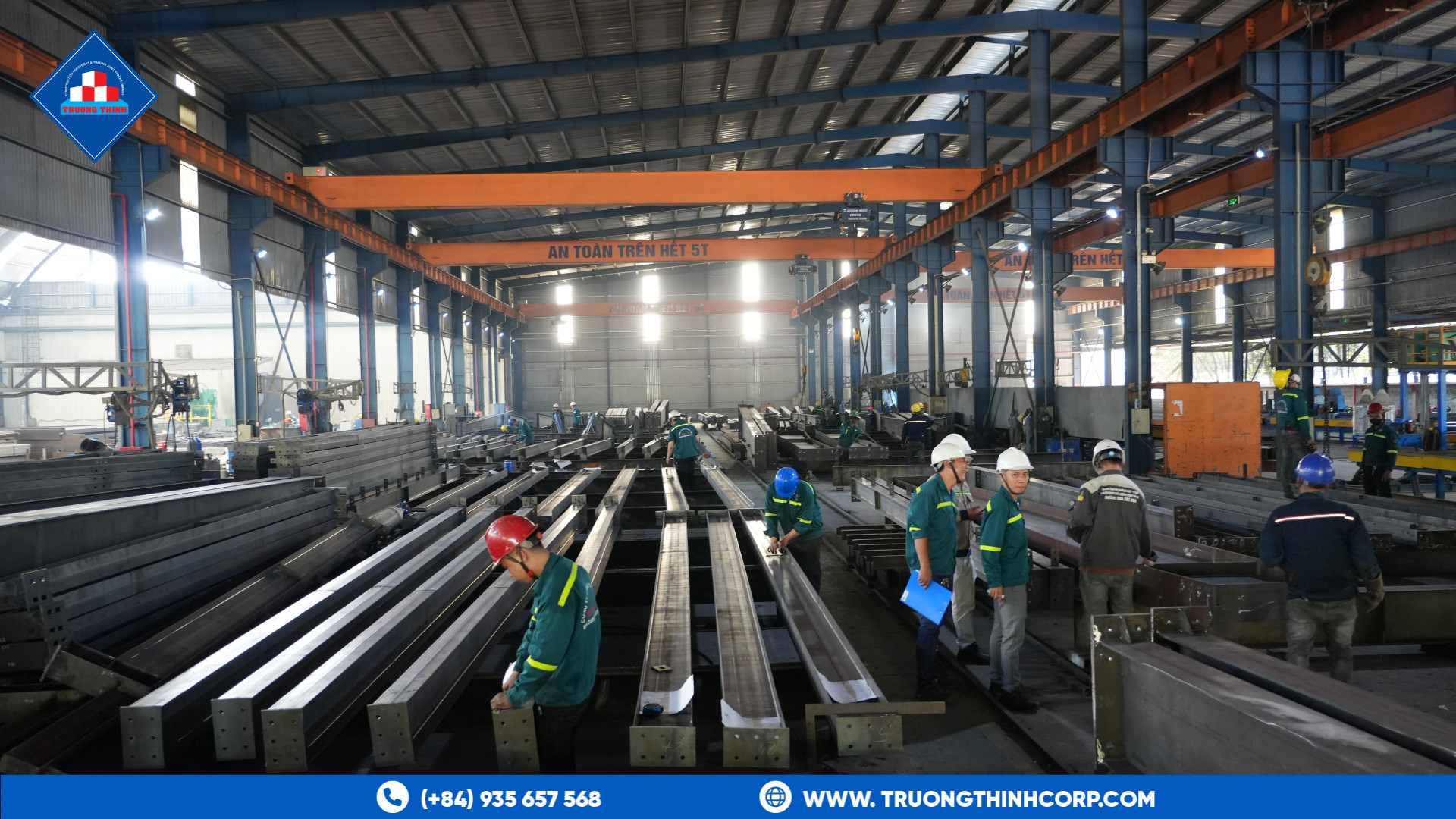
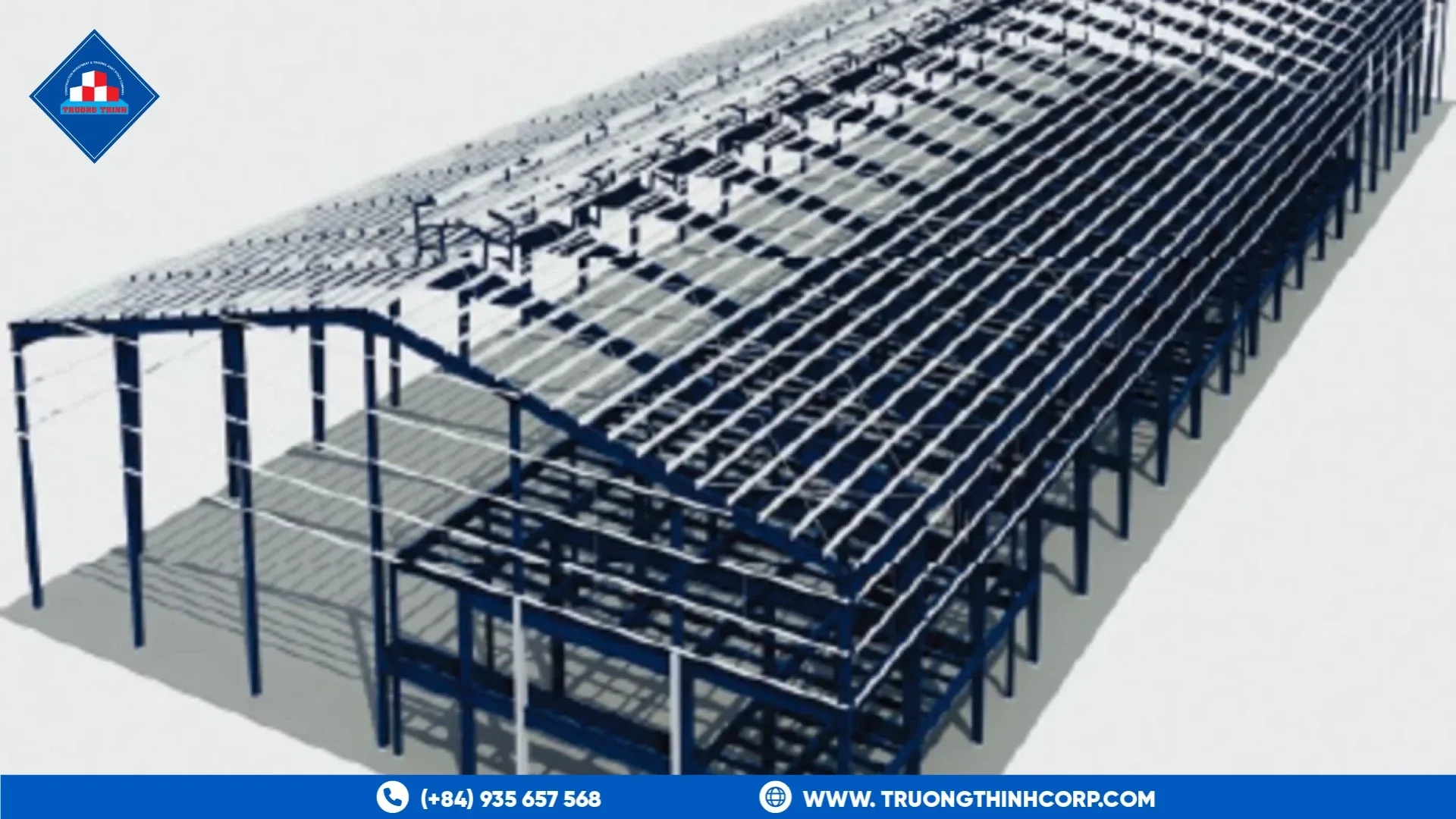
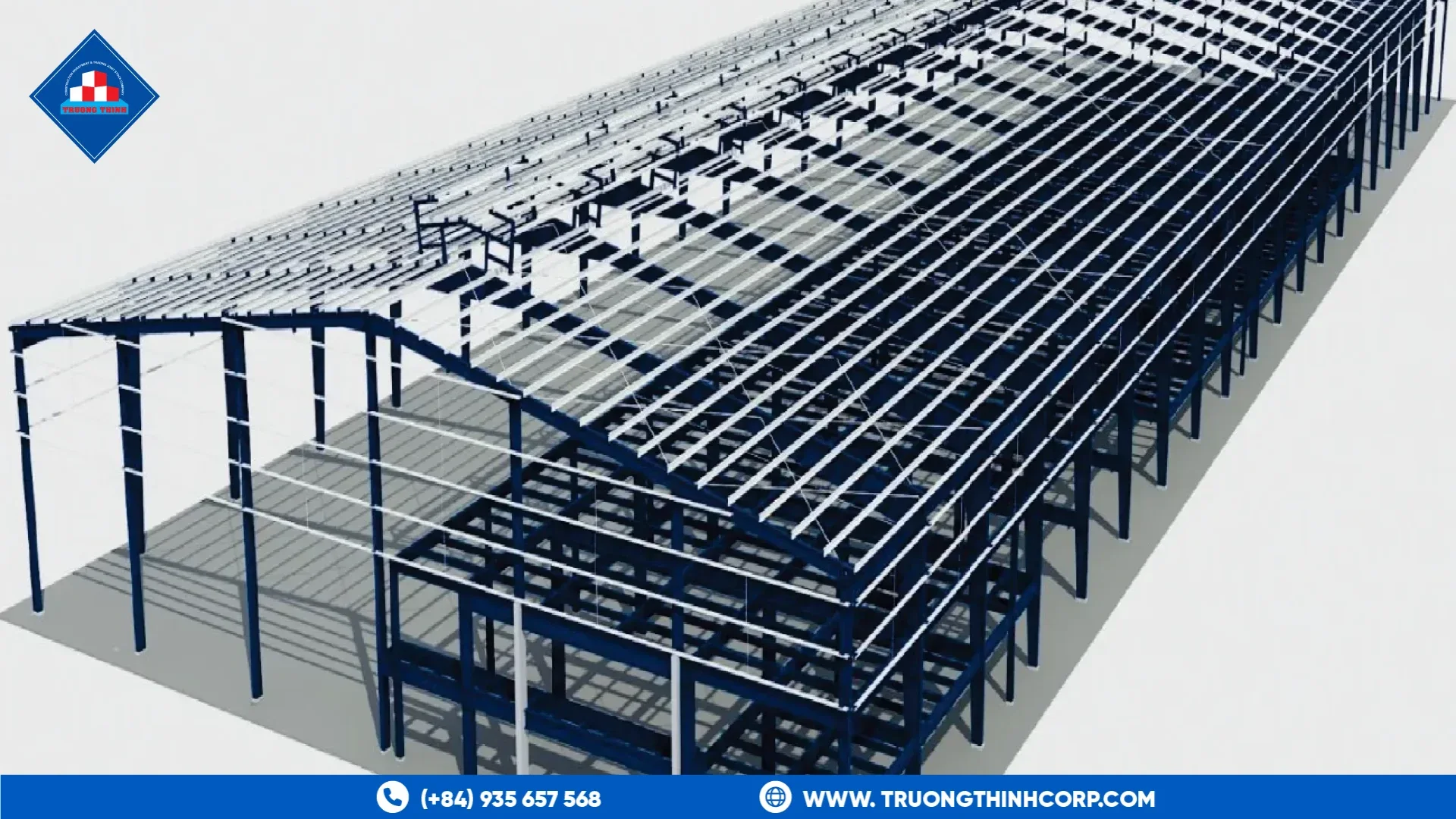
Standardized framing and coordinated fabrication can support predictable production for suitable industrial buildings. The value is strongest when engineering, shop drawings and manufacturing information are closely coordinated.
Truong Thinh positions PEB as a major product category and presents an integrated design-to-fabrication workflow.
Where conventional steel may be preferred
Heavy industrial loads, unusual geometry, special architectural forms, long-span requirements or complex interfaces may require bespoke structural solutions. A hybrid approach can also be appropriate.
The right content angle is therefore not “PEB is always cheaper”, but “choose the structural system that matches the loading and project constraints.”
Schedule and expansion
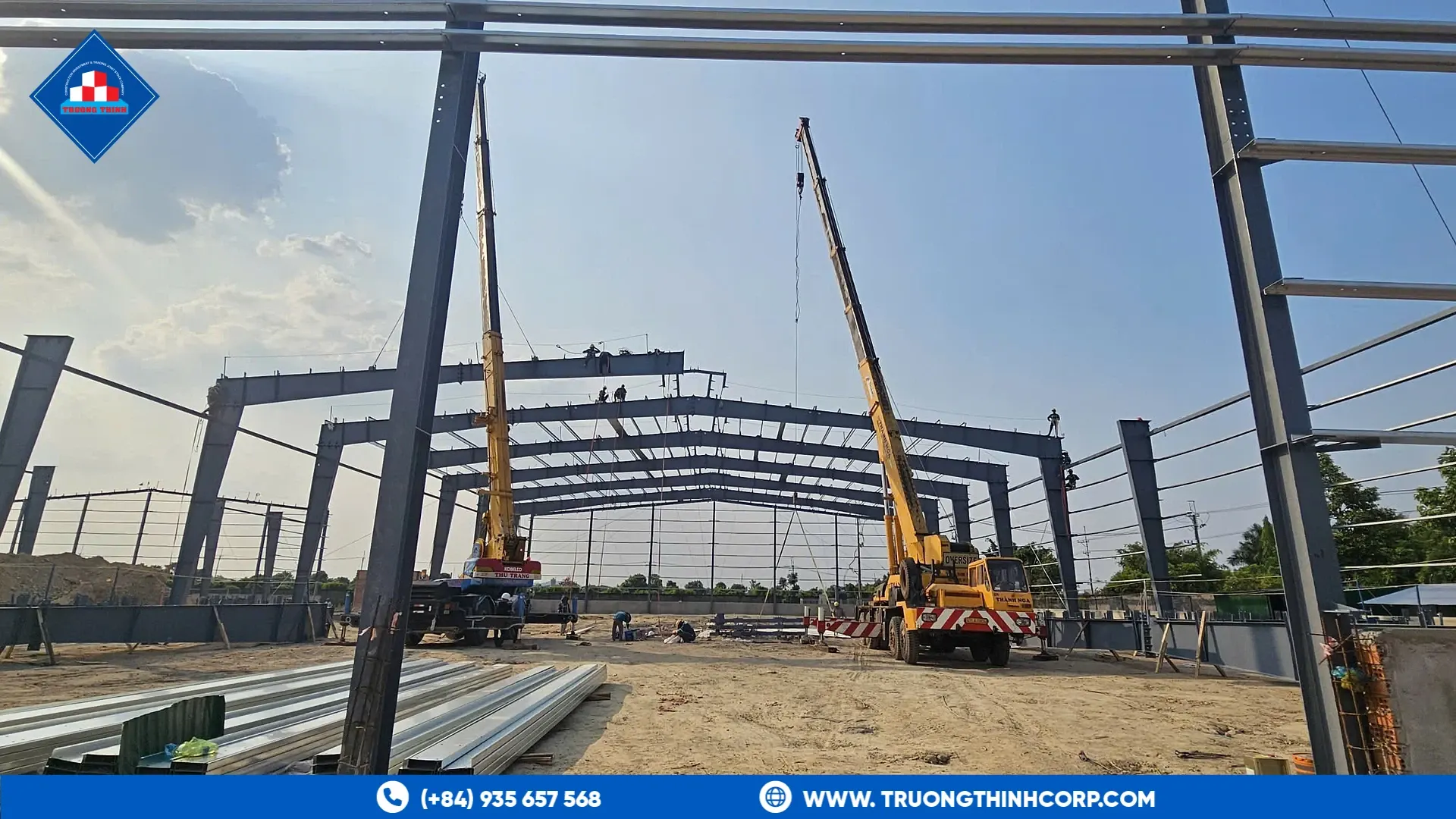
For owners, construction speed matters because the building is part of the operating asset. Procurement decisions should therefore consider not only fabrication time but also design approvals, site readiness, transport and erection.
A system that allows future expansion can also reduce disruption later, but this needs to be designed into the original structure.
How to compare quotations
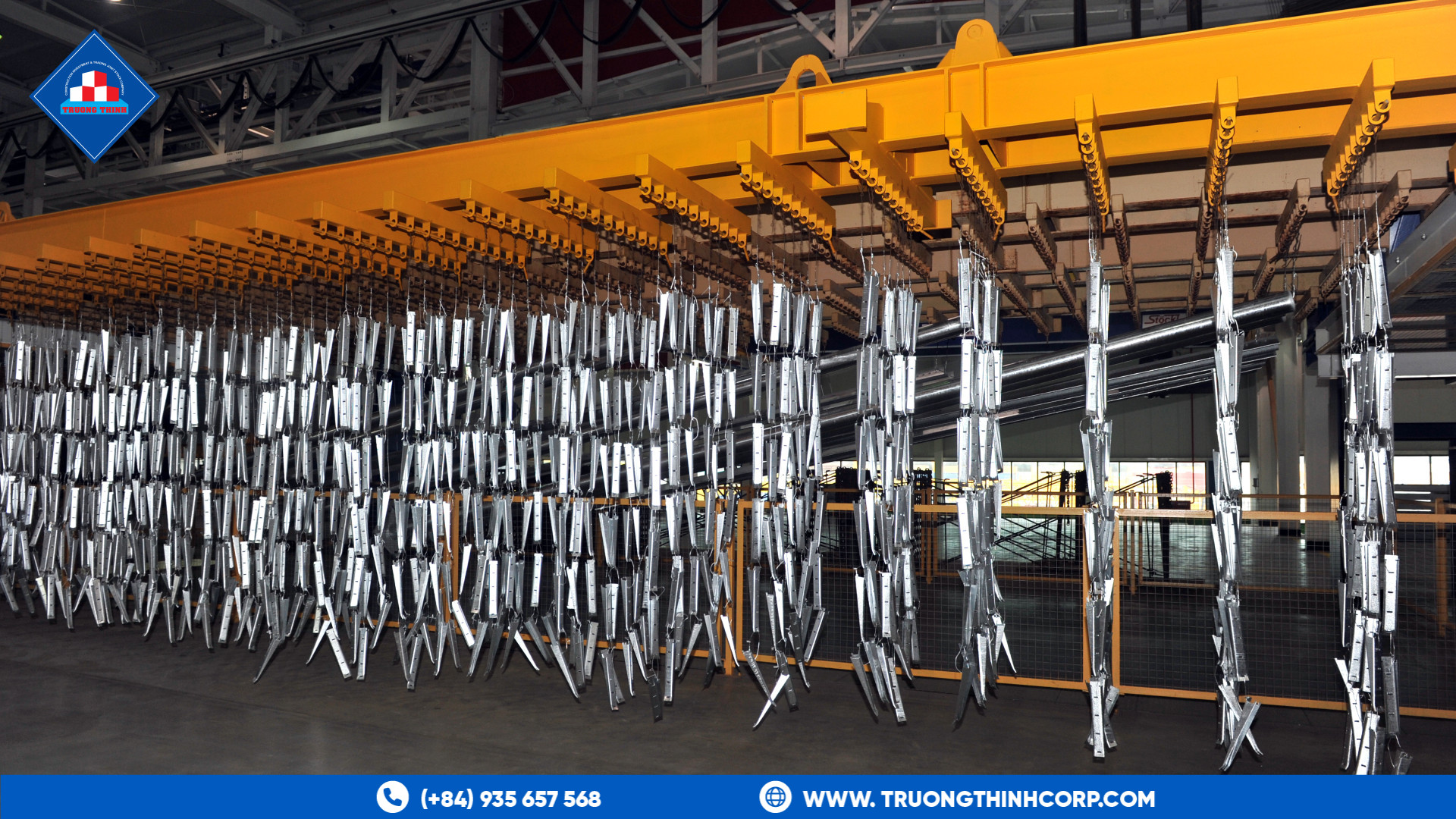
Ask suppliers to price the same scope: structural steel, secondary steel, connection details, coating, documentation, transport, erection and exclusions. Otherwise, a lower quotation can simply contain less scope.
A transparent comparison should show material assumptions, quantities, lead time and responsibility boundaries.
Most pre engineered steel building manufacturer catalogs are optimized for a standard industrial steel building footprint; regular bays, moderate spans, light-to-medium roof loads. Once a project moves outside that envelope, it’s worth asking several steel building manufacturers directly whether PEB or a conventional frame actually fits, rather than assuming the standardized system is always the cheaper answer.
Frequently Asked Questions
Is PEB always the cheaper option for a factory building?
No. The right framing is the one that matches the loading and project constraints; heavy industrial loads, unusual geometry, or long-span requirements can make a conventional or hybrid structure the better fit.
When does a pre-engineered steel building work well?
When the building fits a standardized envelope (regular bays, moderate spans, light-to-medium roof loads) and when engineering, shop drawings and fabrication information are closely coordinated.
What should a quotation comparison between PEB and conventional steel include?
The same scope priced by every supplier: structural steel, secondary steel, connection details, coating, documentation, transport, erection and exclusions; otherwise a lower quotation may simply contain less scope.
How does future expansion affect the choice of structural system?
A system designed to allow future expansion can reduce disruption later, but this needs to be planned into the original column grid and foundation, not added after the first phase is built.
Free quotation · Reply within 24 hours
Send your project details to our engineering team
Building a factory, warehouse or production plant? Send your drawings or building requirements and our engineering team will return a fabrication quotation with tonnage, lead time and delivery options.
Need an answer faster? Call our engineers directly.
Mon–Fri 8:00–17:30 · Sat 8:00–12:00 (GMT+7)