

Learning how to optimize construction costs without sacrificing quality or schedule is the difference between a profitable industrial project and a budget overrun. For factory and warehouse investors, the biggest savings come from two levers working together: modern technology and disciplined processes — and, increasingly, from choosing a pre-engineered steel structure over slower, heavier concrete. This guide from Truong Thinh Corp explains where the real savings are.
1. Cost optimization through technology
1.1 BIM (Building Information Modeling)
BIM produces a 3D model with full architectural, structural and MEP information, so teams can detect design clashes before construction, optimize material volumes and minimize costly errors on site.
1.2 Construction automation
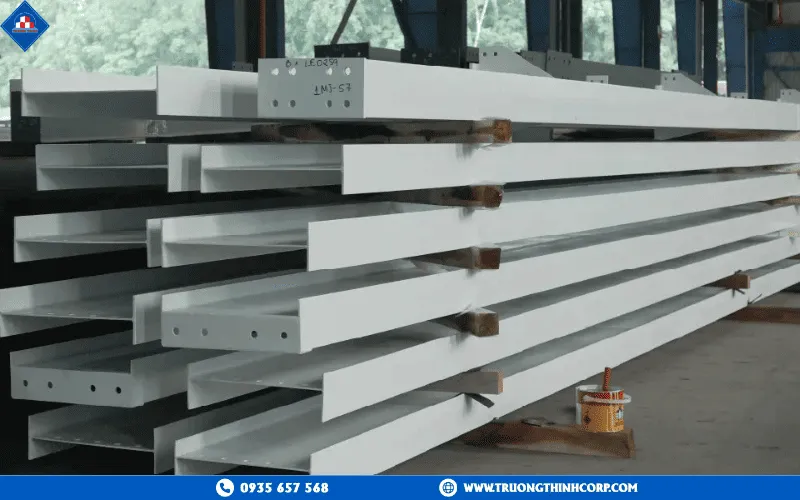
CNC cutting machines, welding robots and automatic positioning equipment raise labor productivity, reduce dependence on manual work and improve both accuracy and safety — a core reason factory-fabricated steel is more cost-predictable than site-poured concrete.
1.3 Construction data analysis
Real-time monitoring software analyzes the progress, cost and efficiency of each item, enabling fast, accurate decisions and reducing waste across the project life cycle.
1.4 Smart building materials
Insulated, lightweight, durable and recyclable materials lower operating costs, extend service life and cut long-term maintenance — savings that compound over the life of the building.
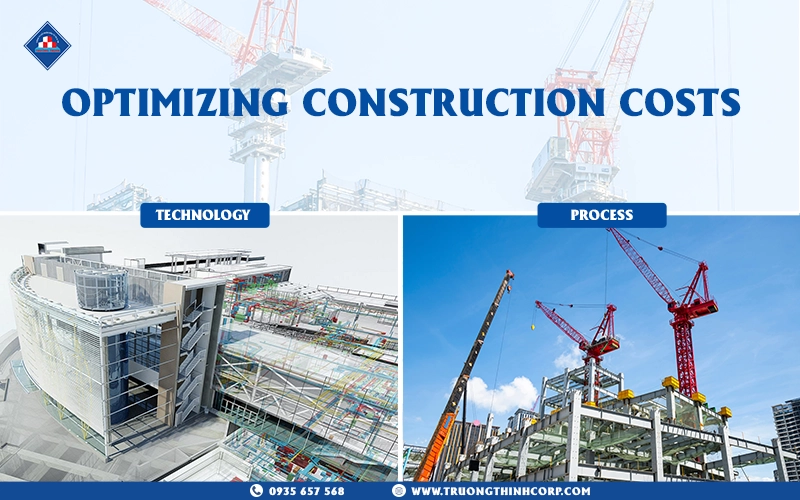
2. Cost optimization through process
2.1 Detailed, feasible planning
A complete plan — specific to each stage, resource and budget — is the foundation for avoiding additional costs and protecting the schedule.
2.2 Effective project management
Construction-management software gives tight control over progress, quality and cost, tracking every task to reduce delays and budget loss.
2.3 Streamlined construction methods
Eliminating redundant steps and adopting prefabrication and modular construction — the model behind off-site steel fabrication — compresses timelines and reduces on-site labor.
2.4 Strict material management
Controlling inbound, outbound and inventory volumes and ordering on schedule reduces stock, damage and material loss.
2.5 A reputable contractor
A professional partner with a clear process and real experience keeps estimates close to reality and minimizes financial risk for investors.
How steel structures optimize construction costs
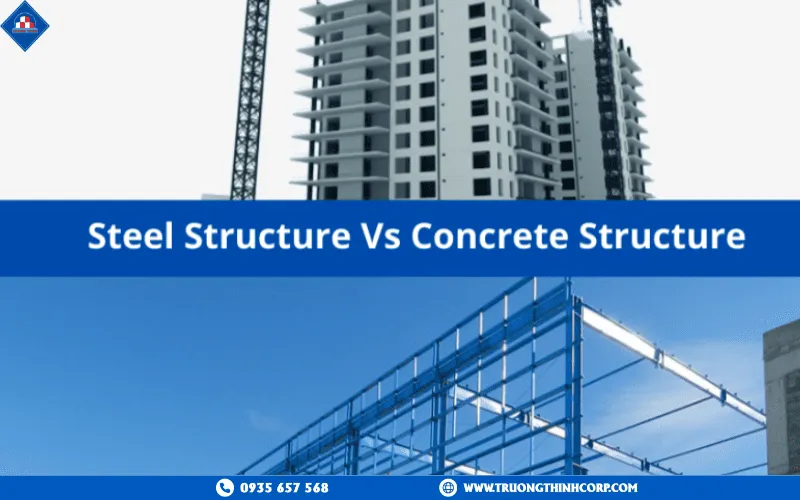
For industrial buildings, the single most effective way to optimize construction costs is the structural system itself. Because steel is fabricated off-site and bolted together on-site, projects finish 30–50% faster, need lighter and cheaper foundations, and reach operation sooner. Read more on the advantages of steel structures for factories, or ask our engineers to model the numbers for your project.
Want a lower, more predictable build cost?
Truong Thinh Corp will prepare a free cost estimate for your steel factory or warehouse — comparing budget, timeline and foundation savings versus concrete. Engineers reply within 24 hours.
Frequently Asked Questions
What is the best way to optimize construction costs on a factory project?
Combine technology (BIM, automation, data monitoring) with disciplined processes and a prefabricated steel structure. Together these cut waste, labor and schedule — the three biggest cost drivers.
Does steel construction really cost less than concrete?
Over the full project, usually yes. Lighter foundations, faster erection, minimal maintenance and earlier operation typically outweigh a higher steel unit price. A project-specific quotation confirms the exact figures.
How much time can technology and prefabrication save?
Off-site fabrication and modular methods commonly shorten industrial build time by 30–50% versus cast-in-place concrete, which also lowers financing and site-management costs.