

In modern construction, steel structures are widely used thanks to their superior strength, flexibility, and construction efficiency. From industrial factories and warehouses to commercial buildings and large-span facilities, steel structures provide reliable structural performance under diverse load conditions. For engineers, investors, and project owners, understanding the components of a steel structure is essential to evaluate design quality, construction safety, and long-term durability. This article explains in detail what a steel structure is made of and how each component functions within the overall structural system.
1. What are the main components of a steel structure?
To fully understand how a steel structure works, it is necessary to examine its fundamental components. Each element is designed to perform a specific structural function, and together they create a complete load-resisting system capable of supporting vertical and horizontal forces.
1.1 Columns and beams as primary structural components
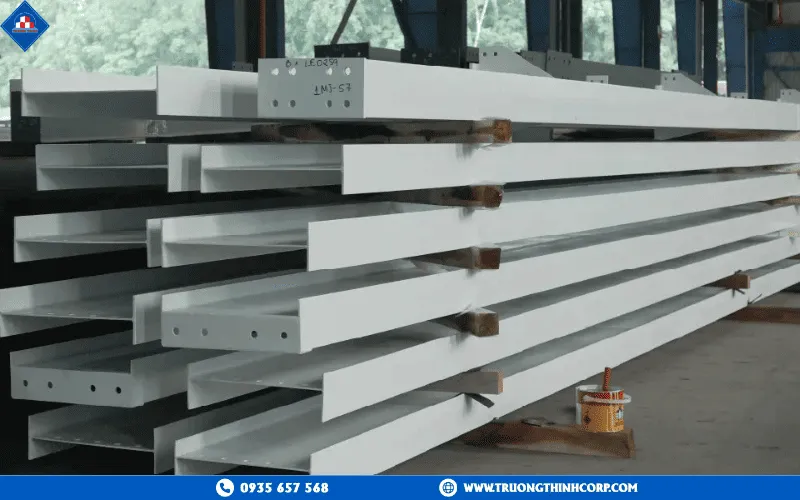
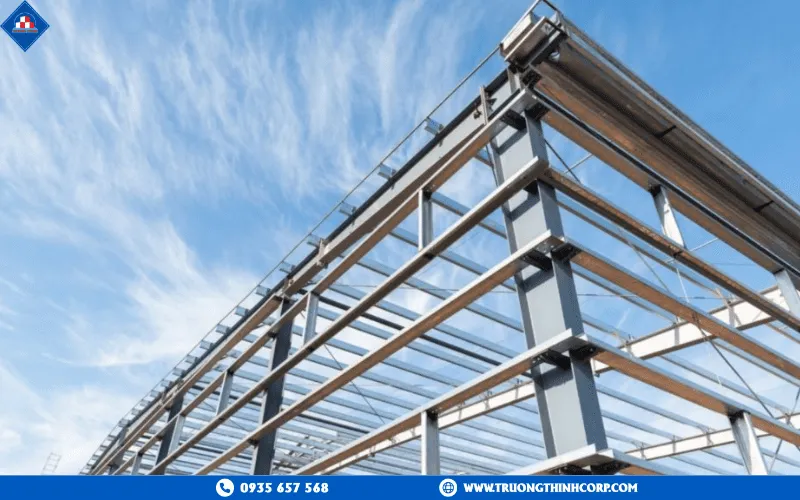
Columns and beams are the core load-bearing components of a steel structure. Steel columns are designed to resist axial compressive forces and transfer loads directly from the superstructure down to the foundation system. Steel beams primarily resist bending and shear forces, carrying loads from floors, roofs, and secondary members before distributing them to the columns. Common cross-sections such as I-sections, H-sections, and box sections are selected based on span length, load intensity, and design standards. The interaction between columns and beams forms the structural frame that defines the strength and stability of the entire steel structure.
1.2 Bracing systems for stability and lateral resistance
Bracing is one of the most critical components of a steel structure when it comes to resisting lateral forces. Wind loads, seismic actions, and horizontal movements can significantly affect structural safety if not properly controlled. Roof bracing, wall bracing, and column bracing are used to maintain geometric stability and limit horizontal displacement. Typical bracing configurations such as X-bracing, K-bracing, and inverted V-bracing are selected depending on architectural layout and structural requirements. By working together with columns and beams, bracing systems ensure the steel structure remains stable under both static and dynamic loads.
1.3 Steel connections and joint details
Connections play a vital role in linking all components of a steel structure into a unified system. Steel members are commonly connected using welding or high-strength bolts, depending on structural behavior and construction conditions. Base plates, gusset plates, splice plates, and anchor bolts are essential connection elements that help transfer forces between members. The stiffness of steel connections, whether rigid or semi-rigid, directly influences how loads are distributed throughout the structure. Properly designed and fabricated connections are critical to ensuring structural safety, durability, and ease of installation.
2. How the components of a steel structure work together
A steel structure functions as an integrated system rather than a collection of isolated elements. Understanding how the components interact helps optimize design efficiency and structural performance.
2.1 Load transfer mechanism in steel structures
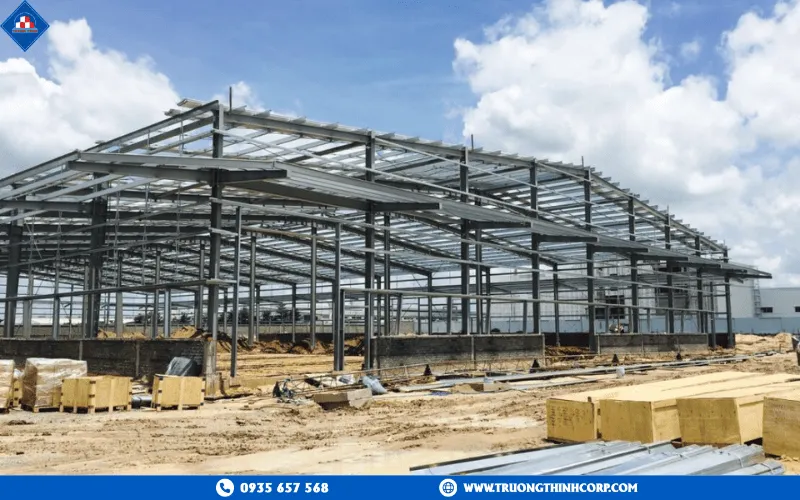
The load path in a steel structure follows a clear hierarchy. Loads from roofing or flooring systems are transferred to secondary beams, then to main beams, followed by columns, and finally delivered to the foundation. Each component is responsible for safely carrying and transferring loads without exceeding allowable stress limits. Accurate load transfer design ensures that the steel structure performs reliably throughout its service life.
2.2 Resistance to wind and seismic forces
Lateral resistance is primarily provided by bracing systems and, in some cases, rigid frames or shear walls. Bracing members mainly work in tension and compression, making them highly efficient for controlling horizontal movement. Compared to rigid frames, braced steel structures often offer better material efficiency and reduced deformation under wind or earthquake loads. Selecting the appropriate lateral force-resisting system is essential, especially for industrial buildings and large-span steel structures.
2.3 Design of beam and column sections based on loads
The dimensions and thickness of steel beams and columns are determined through structural calculations based on applied loads, span length, and design codes. Bending moments, shear forces, and axial loads are analyzed to select suitable steel sections that satisfy both strength and serviceability requirements. Proper section design helps reduce material waste while ensuring structural safety and long-term performance.
3. Classification of steel structures by application
Steel structures can be classified into different systems based on their structural form and intended use, helping project owners choose the most suitable solution.
3.1 Steel frame structures
Steel frame structures are the most common type, widely used in factories, warehouses, and commercial buildings. These structures offer flexible layouts, efficient load distribution, and easy future expansion. Main frames carry primary loads, while secondary members support cladding and roofing systems.
3.2 Truss and space frame structures
Steel truss structures are designed to carry loads mainly through axial forces, making them ideal for long-span applications such as bridges, stadiums, and exhibition halls. Space frame structures extend this concept into three dimensions, providing excellent load distribution, high stiffness, and strong architectural appeal for large, column-free spaces.
3.3 Comparison of cost and construction time
Different steel structure systems vary in cost and construction duration. Traditional steel frames offer balanced performance and flexibility, pre-engineered steel buildings provide faster erection and cost predictability, while truss and space frame structures require higher technical expertise but deliver superior spanning capability. Understanding these differences helps investors make informed decisions.
In summary, the main components of a steel structure work together to ensure strength, stability, and construction efficiency. With proven expertise in steel structure design, fabrication, and installation, TruongThinhCorp delivers reliable and cost effective solutions for every project. For expert consultation or a detailed quotation, contact us today to get professional support tailored to your needs.
Need a complete steel structure package?
Truong Thinh Corp manufactures every component of your steel structure — columns, beams, purlins, trusses and connections — to exact design. Get a free quotation.
Frequently Asked Questions
What are the main components of a steel structure?
The core components are columns, beams, purlins, trusses, bracing and connection plates — working together to carry and transfer loads.
What do columns and beams do in a steel structure?
Columns carry vertical loads to the foundation, while beams span between columns to support floors and roofs — the primary load path of the frame.
What are purlins and gusset plates used for?
Purlins support roof and wall cladding between main frames, while gusset plates connect members at joints to transfer forces safely.
Can Truong Thinh supply all steel structure components?
Yes. We manufacture the complete range of structural components to project design, ensuring precise fit and fast on-site assembly.