

Structural Steel in Shopping Mall Construction

Modern shopping malls have transformed into multifunctional commercial hubs that combine retail, dining, entertainment, workspaces, and event facilities. To support this evolution, developers need building solutions that offer design flexibility, rapid construction, long term durability, and the ability to adapt to constant change. Structural steel in shopping mall construction meets all these demands, providing superior spanning capability, structural strength, and fast installation compared to traditional reinforced concrete. This article highlights the key advantages of structural steel, its practical applications in mall development, the economic benefits it delivers, and why Truong Thinh Corp is a trusted partner for high quality steel structures in large commercial projects.
1. Why structural steel in shopping mall construction is the best solution?
Choosing the right structural system is one of the most important decisions in the early stages of developing a shopping mall. Developers and architects face design challenges such as creating wide open retail spaces, supporting heavy traffic loads, accommodating future expansion, and maintaining architectural aesthetics while ensuring safety. Structural steel meets these requirements more effectively than any other material.
1.1 Maximizing open space through superior long span capability
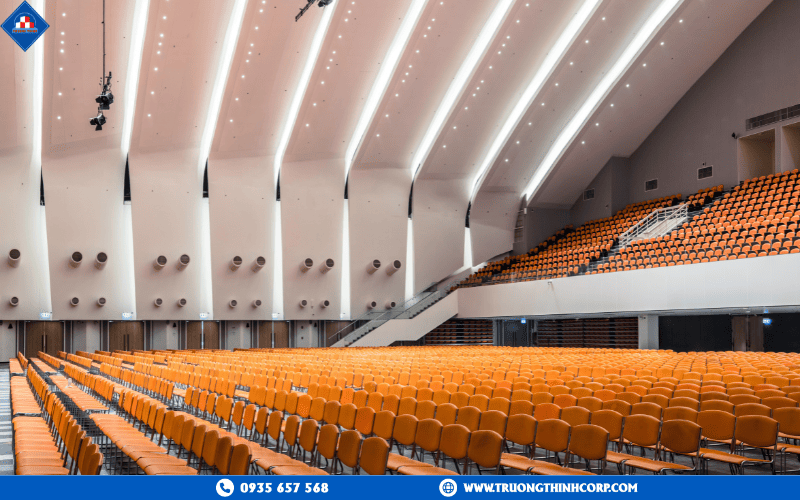
The need for large, column free spaces is central to shopping mall design. Retail tenants require flexible areas for merchandise display, visual branding, and interior layout customization. Structural steel allows engineers to design long span beams and trusses that significantly reduce the number of vertical supports. This design freedom enhances visibility across store fronts, improves spatial comfort, and increases the usable floor area.
Such open spaces are not only visually appealing but also strategically important. Every square meter of unobstructed area increases leasing potential and allows mall operators to adapt quickly to changing retail trends. With steel, architects can design wide atriums, oversized anchor stores, and dynamic event zones without structural limitations.
1.2 Faster construction and earlier commercial operation
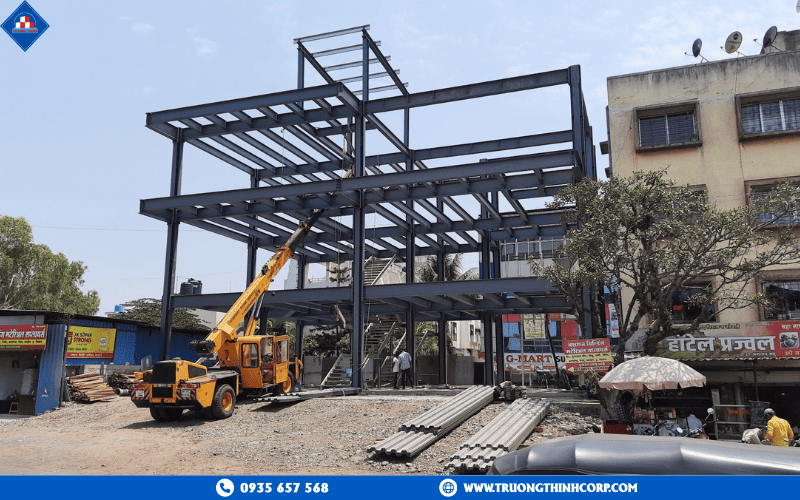
Among the most valuable advantages of structural steel is the ability to shorten construction schedules. While reinforced concrete requires extensive curing time and large onsite labor teams, steel components are manufactured in controlled factory conditions. They are delivered ready for assembly, allowing onsite work to progress rapidly regardless of weather conditions.
This acceleration in construction reduces cost, minimizes onsite risks, and enables the mall to open earlier. Early opening means earlier rental income and quicker return on investment, giving steel based projects a competitive edge in the commercial real estate sector.
1.3 Reliability, strength, and long term structural stability
Shopping malls endure substantial loads from thousands of daily visitors, escalators, equipment, interior renovations, and dynamic movement. Structural steel is well suited to these demands because of its high tensile strength, resistance to lateral forces, and predictable performance under stress. Its superior strength to weight ratio also allows for more efficient load distribution throughout the building.
Steel structures are designed to withstand strong winds, earthquakes, and other environmental conditions, making them particularly suitable for regions with strict safety requirements. Moreover, steel components produced in factories maintain consistent quality and require minimal maintenance over time. This ensures long term structural reliability and reduces operational expenses for mall operators.
2. How structural steel is used throughout shopping mall construction
The benefits of structural steel become even more evident once they are applied to different sections of a shopping mall. Each area, from the roof to the parking facility, can be engineered with steel to achieve optimal performance.
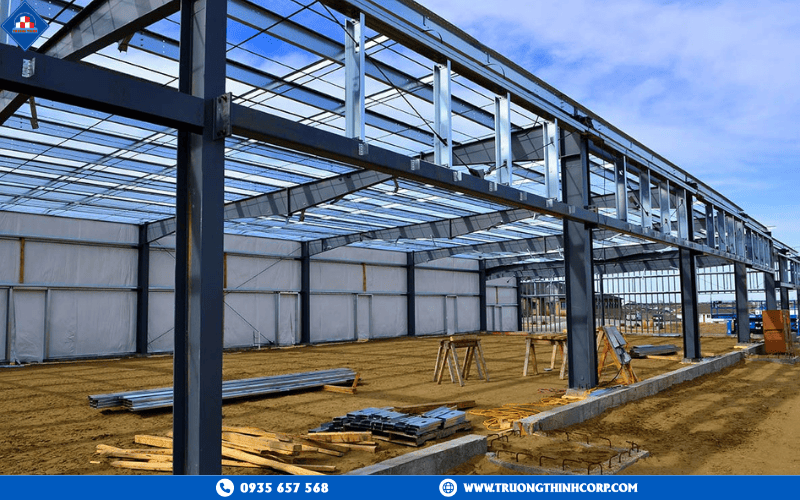
2.1 Large roof systems and architectural atriums
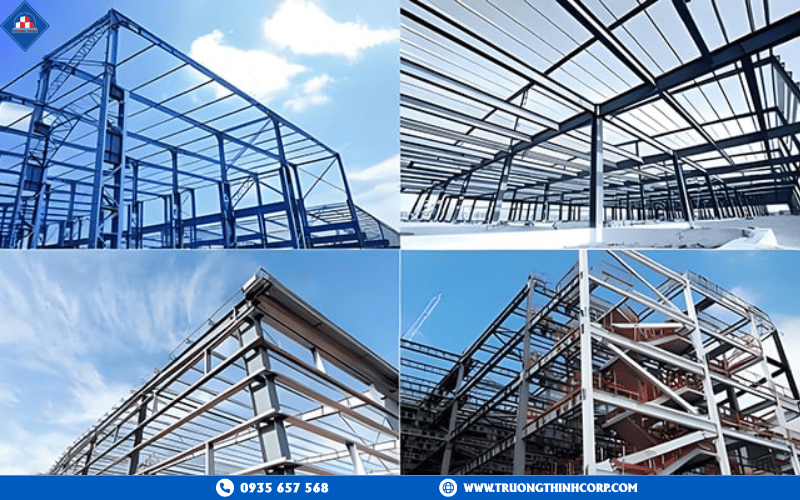
Shopping malls often feature expansive entrance halls, skylit atriums, and dramatic architectural forms. Structural steel enables these signature spaces by supporting wide span roofing systems, curved surfaces, and intricate geometrical designs. Steel space frames and lightweight trusses allow natural light to penetrate deep into the mall, creating welcoming and visually impactful public zones.
These large, unobstructed spaces are essential for events, exhibitions, and seasonal promotions. Steel makes it possible to integrate heavy HVAC systems, lighting installations, and decorative elements without compromising structural safety.
2.2 Main load bearing frames and multi level floor systems
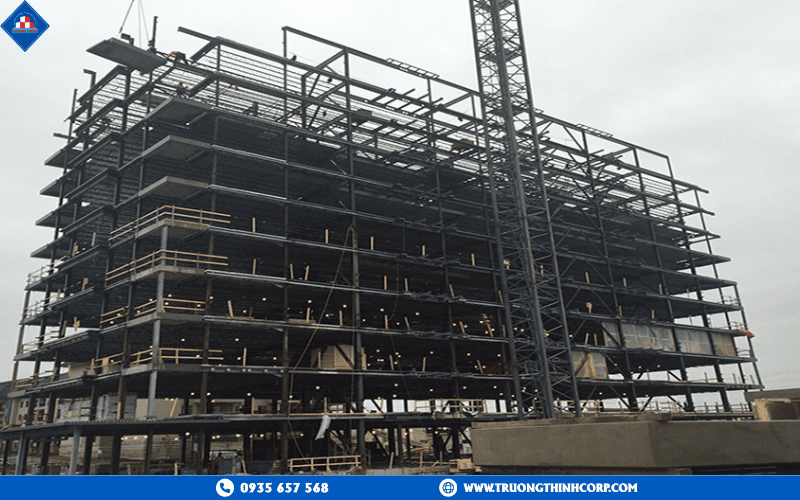
Structural steel forms the backbone of many modern multi story malls. Columns and beams made of steel work seamlessly with composite floors or steel deck systems, allowing for efficient load transfer and adaptable interior layouts. The use of steel significantly reduces overall building height while maximizing usable space on each level.
Because steel components are lighter than concrete equivalents, foundation requirements may also be simplified, resulting in further cost savings. The accuracy of factory fabrication ensures that every piece fits perfectly onsite, minimizing delays and improving construction precision.
2.3 Multi level parking facilities and connecting bridges
Adequate parking is crucial to visitor experience and traffic flow in shopping malls. Structural steel is especially effective for building multi level parking structures due to its rapid assembly process, modular planning, and long term durability. Parking loads and frequent vehicle movements are easily managed by steel columns and beams.
Connecting bridges that link different sections of the mall also benefit from steel’s strength and lightweight nature. Many modern designs incorporate glass and steel to create transparent, visually appealing walkways that enhance overall circulation and convenience.
3. Economic benefits of using structural steel for shopping malls
As developers consider the financial feasibility of a project, the long term economic advantages of structural steel become clear. Cost efficiency should not be evaluated solely based on initial material price. Instead, it must account for construction speed, operational savings, and lifecycle flexibility.
3.1 Balancing initial investment with long term value
Although the upfront material cost of steel may be higher than that of reinforced concrete, the overall project cost often becomes lower once factors such as labor, transportation, and construction timeline are considered. Prefabricated steel reduces onsite work, lowers waste, and minimizes the need for rework, all of which contribute to cost efficiency.
3.2 Accelerated construction means faster return on investment
For commercial developments, time saved is money gained. A reduction of several months in construction schedule can translate into significant rental income. An earlier opening strengthens the mall’s market position, increases tenant satisfaction, and accelerates financial performance. Developers who choose steel often gain a strategic advantage by entering the market sooner than competitors relying on traditional construction materials.
3.3 Long term savings through adaptability and minimal maintenance
Shopping malls must frequently update interiors, reconfigure store layouts, and introduce new functional zones. Structural steel allows these changes to be carried out with far less demolition work compared to concrete structures. This adaptability reduces renovation costs and enables mall operators to stay relevant as consumer behavior evolves.
Steel structures also require less maintenance, resist corrosion when properly protected, and provide long term durability with low operational expense.
4. Structural steel compared to reinforced concrete
While both materials have their strengths, a direct comparison shows why structural steel is the superior choice for modern shopping malls:
Spanning capability
- Steel achieves significantly larger spans, allowing more open space.
- Concrete requires many intermediate columns, limiting design flexibility.
Construction speed
- Steel construction is much faster thanks to prefabrication.
- Concrete construction progresses more slowly due to extended curing time.
Future modification
- Steel structures can be altered or expanded with relative ease.
- Concrete is rigid and difficult to modify without high cost.
Total cost of ownership
- Steel offers lower long term cost through faster opening and reduced maintenance.
- Concrete results in higher total lifecycle cost.
5. Selecting the right structural steel contractor
Even the best material cannot guarantee success without a reliable and experienced contractor. Choosing a qualified partner is essential for ensuring structural integrity, project efficiency, and alignment with architectural goals.
5.1 Technical expertise and experience in commercial projects
Shopping malls require sophisticated structural planning, fire resistance solutions, and load distribution strategies. A competent contractor must employ experienced engineers capable of analyzing large span requirements and optimizing the structural system. Reviewing the contractor’s past commercial projects helps developers evaluate their capability and reliability.
5.2 Strict quality standards and advanced fabrication technology
Steel components must be produced with high precision to ensure safe and efficient installation. A professional steel contractor operates under international standards such as ISO, AWS, and EN. Modern fabrication lines with CNC cutting, automated welding, and advanced inspection processes guarantee consistency and accuracy. High quality factory production leads to faster onsite assembly and fewer construction risks.
Structural steel in shopping mall construction delivers exceptional advantages in design flexibility, construction speed, structural stability, and long term economic value. It is more than just a building material; it represents a strategic investment that brings lasting benefits to developers, mall operators, and visitors. As the retail market continues to change, steel allows commercial complexes to adjust quickly and operate with greater efficiency. With a reliable contractor such as Truong Thinh Corp, developers can create modern, adaptable, and high performing shopping malls that meet current expectations while supporting future expansion and growth. For project consultation or to receive tailored steel structure solutions, contact Truong Thinh Corp with email: sale@truongthinhcorp.com.